1860: A Mercy Petition Backed by the Bishop of Adelaide Could Not Save a Man From the Gallows

John Jones, a hutkeeper on a station near Mount Joy in South Australia’s remote Eyre Peninsula, was found dead in his hut in May 1860, his skull broken and the hut stripped of flour, tea and clothing. The accused was convicted at the Supreme Court in Adelaide largely on the testimony of a young companion who admitted taking part in the killing himself.

Before the execution, around 400 citizens, headed by the Lord Bishop of Adelaide, signed a memorial asking the government to remit the death sentence. He had been tried and condemned under British law newly imposed on his people, with little understanding of its workings; the petition failed regardless. He was taken back across the Eyre Peninsula and hanged at Streaky Bay on 5 October 1860, near the district where the killing had occurred
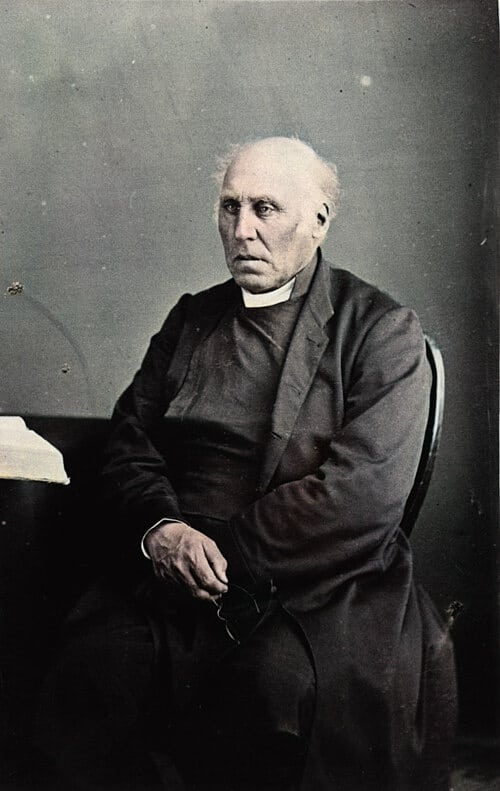

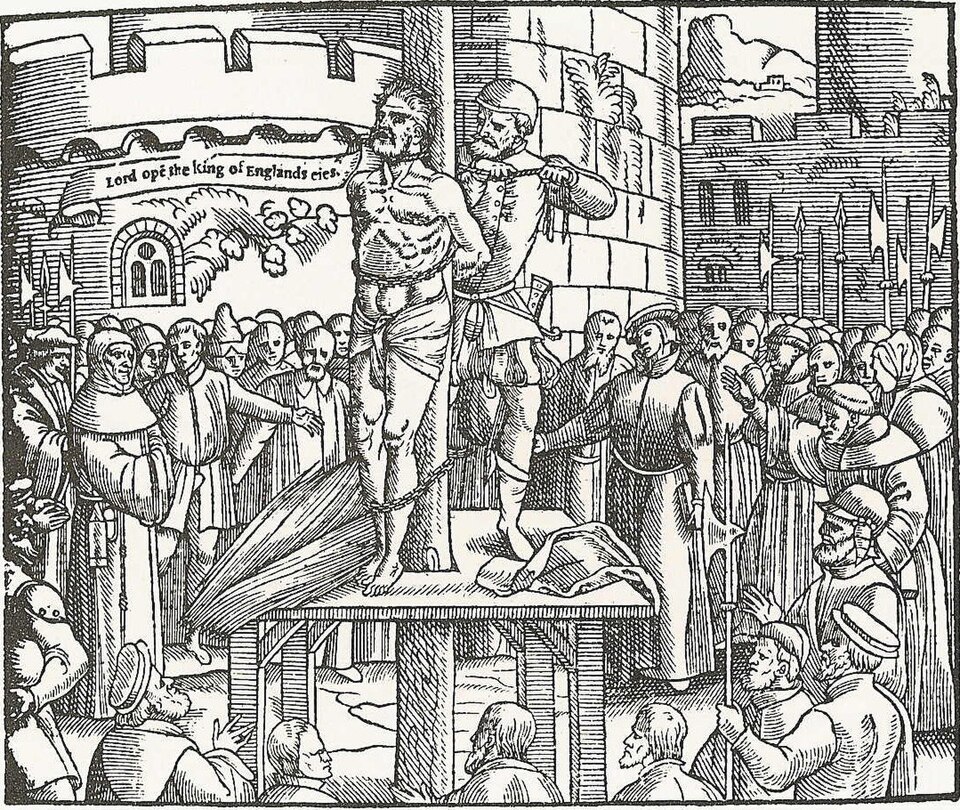
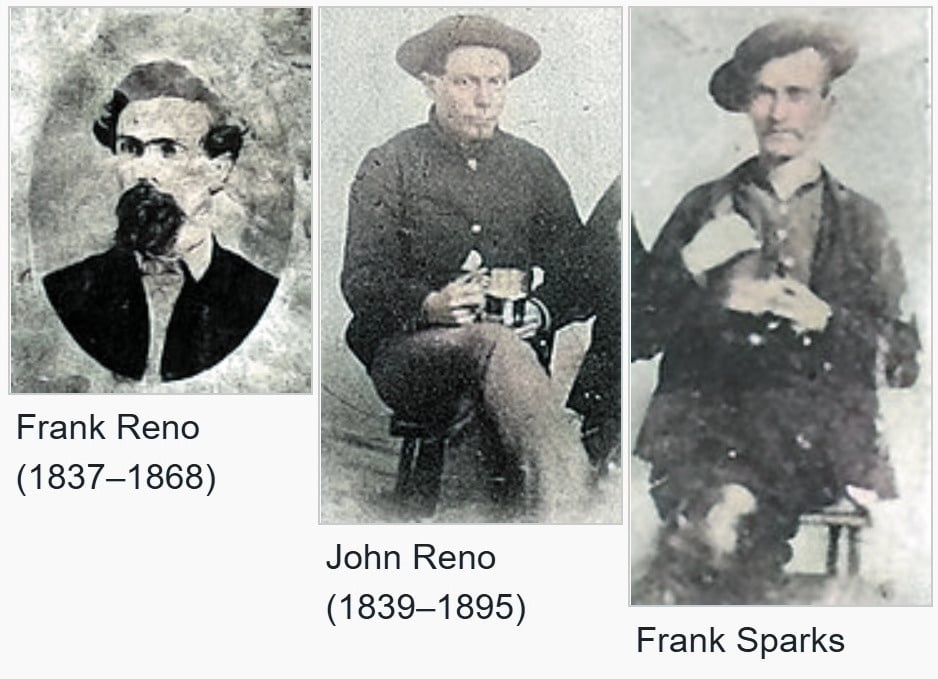
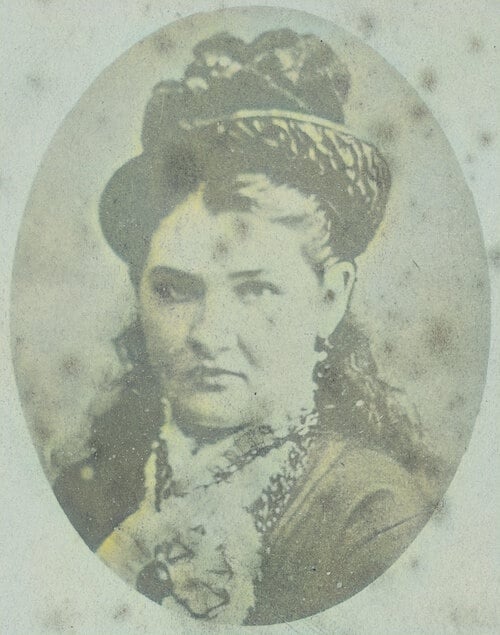
Portrait of Augustus Short

⬅ See all events from 5 October

Spread the word on your favourite platform!

1895: “I Wonder How Many More Times?”: George Dean Rearrested in a Sydney Poison Case

George Dean had already escaped the gallows once, pardoned after a Royal Commission cast doubt on the poisoning case against his wife, Mary. Then a North Shore chemist named Smith came forward, admitting he had sold Dean arsenic and strychnine after Dean claimed he needed a double dose and two poisons to deal with rats on his property.

On 5 October 1895 detectives approached Dean just as he stepped off his ferry at Sydney‘s Circular Quay, still dressed in his captain’s uniform, and arrested him again. “I wonder how many more times I shall be arrested over this affair,” he remarked, before going with the detectives.

Dean subsequently confessed in writing to poisoning his wife. He was convicted of perjury committed to procure his own acquittal and sentenced to fourteen years, while his former lawyer and others faced charges of conspiring to pervert the course of justice.

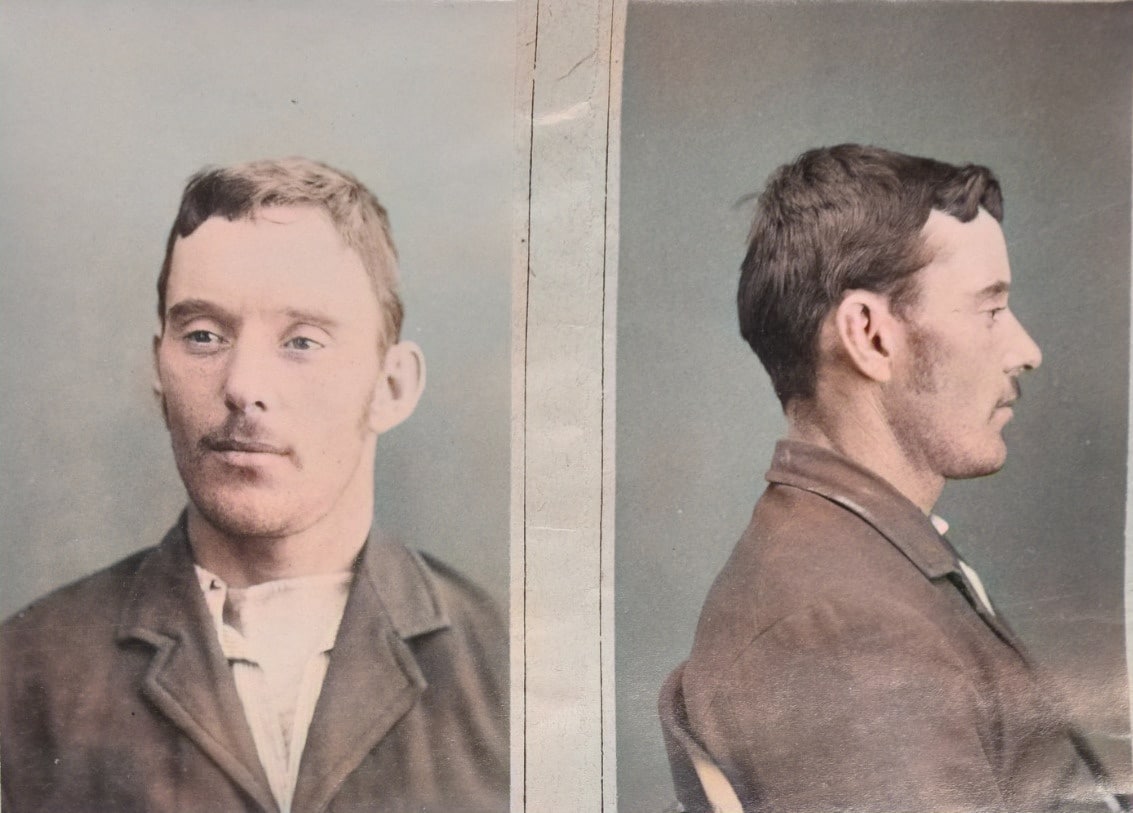
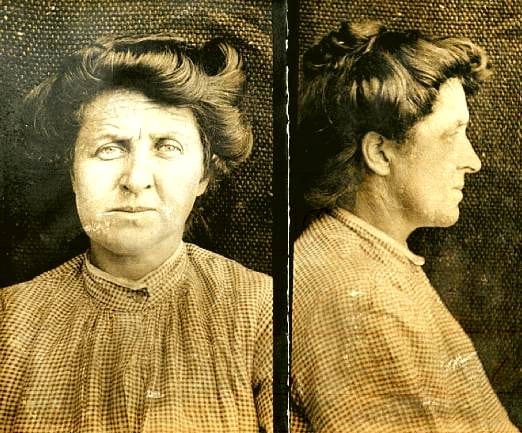
George Dean lemon syrup case. Prison photograph. Credit: Museums of History NSW, State Archives Collection.

⬅ See all events from 5 October

Spread the word on your favourite platform!

1993: A Firewood Hunt Led to Two More Bodies in Belanglo Forest

In October 1993, a local man out gathering firewood stumbled on human remains in a remote corner of Belanglo State Forest. The bones belonged to Deborah Everist and James Gibson, a Melbourne couple missing since 1989.

What unsettled investigators was that Gibson’s camera and backpack had already turned up years earlier, dumped by the roadside at Galston Gorge, more than 120 kilometres from where his body finally lay. Within weeks, a wider search of the forest uncovered four more young backpackers buried nearby, confirming Belanglo as the burial ground of a serial killer.

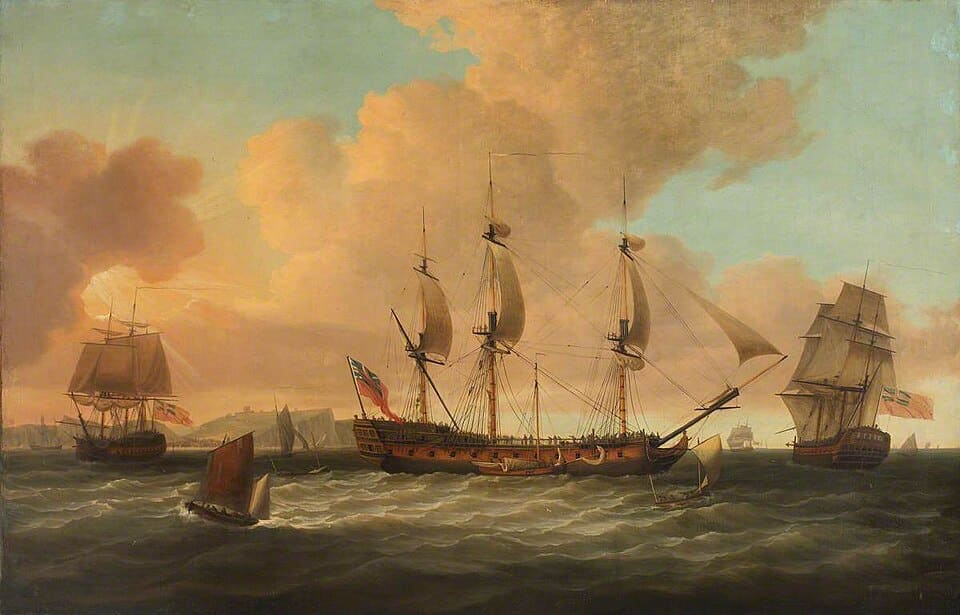
Belanglo State Forest

⬅ See all events from 5 October

Spread the word on your favourite platform!

1866: He Was Fed Breakfast, Then Declared Himself a Bushranger and Shot His Host

Henry Facey Hurst, the pioneer settler after whom Hurstbridge in Victoria was later named, was feeding a hungry stranger at his station near Diamond Creek on the morning of 4 October 1866 when his sister spotted a revolver hidden under the man’s coat. Hurst quietly loaded his own gun and confronted him. Offended at what he called an insult, the stranger leapt up and announced, “I am a bushranger”: Robert Burke. Burke tried to fire first, but the cap misfired; Hurst got his shot away, and Burke then fired three rounds of his own, one tearing into Hurst’s stomach and lodging in his own leg.

Though mortally wounded, Hurst clung to Burke until a friend, Joseph Abbott, wrestled the bushranger down and tied him with a halter. Hurst bled to death that evening. Burke was convicted of wilful murder, though the jury recommended mercy on the grounds that Hurst had fired the first shot. He was hanged at Melbourne Gaol.

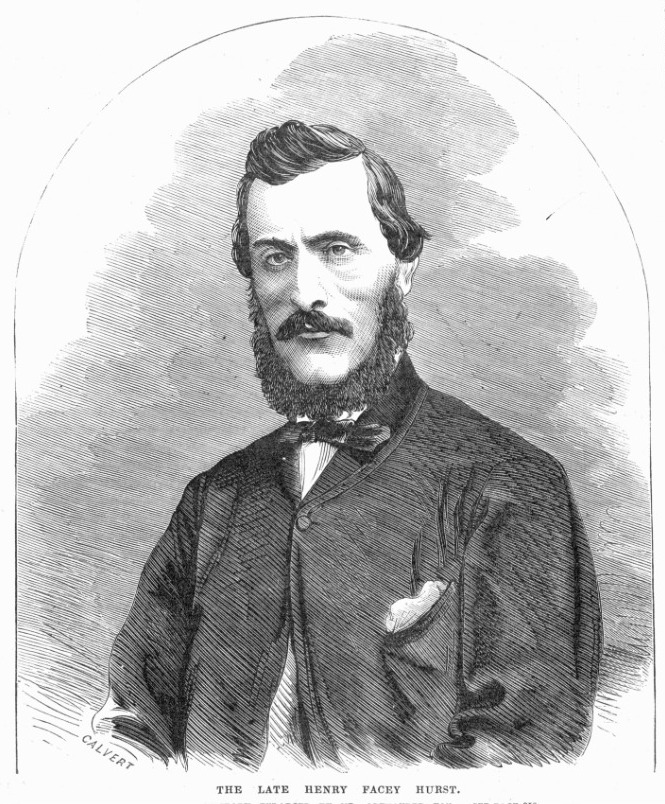
The late Henry Facey Hurst, engraving by Samuel Calvert, 27 October 1866. State Library Victoria, IMP27/10/66/356.

⬅ See all events from 4 October

Spread the word on your favourite platform!
On This Day in True Crime History

Subscribe to Dark Stories

True crime stories, dark history and tour news, straight to your inbox.