1987: The Hoddle Street Massacre: Seven Dead in Melbourne Shooting Rampage

On the evening of 9 August 1987, 19-year-old Julian Knight opened fire on motorists and pedestrians along Hoddle Street in Clifton Hill, a suburb of Melbourne, killing seven people and seriously injuring 19 others. Knight had been discharged from the Royal Military College, Duntroon just 16 days earlier following a fight and stabbing at a bar. He returned home to find his girlfriend had left him and his mother had converted his bedroom. Armed with multiple weapons, he took to the street.

After a police chase lasting more than 30 minutes, Knight was caught in nearby Fitzroy North and arrested. He was later sentenced to seven concurrent life terms, with a non-parole period of 27 years, for what the presiding judge described as 'one of the bloodiest massacres in Australian history'. As Knight neared parole eligibility in 2014, the Victorian Government amended the Corrections Act to prevent his release unless he was in imminent danger of dying or physically incapable of causing harm.


The Hoddle Street Massacre: Seven Dead in <a href='https://darkstories.com.au/melbournes-true-crime-tour/' target='_blank' rel='noopener noreferrer'>Melbourne</a> Shooting Rampage

⬅ See all events from 9 August

Spread the word on your favourite platform!

1867: George Searle Hanged at Ballarat for the Piggoreet Murder

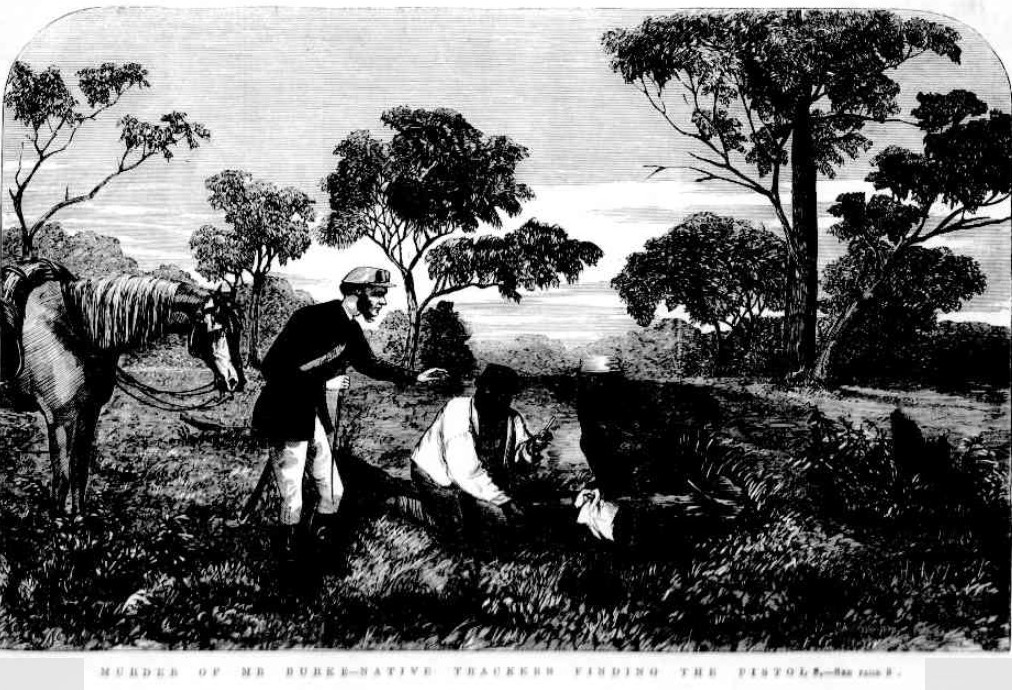
Thomas Ulick Burke, manager of the Bank of Australasia at Smythesdale, was ambushed and shot dead on 10 May 1867 while travelling alone by buggy after buying gold along the road toward Bulldog. His body was found the following day in the bush near the Coach and Horses Hotel, slumped in the buggy with his valise emptied of all gold and notes. Evidence placed George Searle and his associate Joseph Ballan near the scene that afternoon, with a witness confirming Ballan had been scouting goldfield yields in the days before the murder.

At the Ballarat Circuit Court, before Judge Barry, both men were tried for wilful murder. Searle, keeper of the Cosmopolitan Hotel, and Ballan, a lodger there, had been seen together at key locations along the murder route on the day of the killing. Horseshoe markings provided further physical evidence linking the pair to the crime. Searle was convicted and hanged at Ballarat on 7 August 1867.

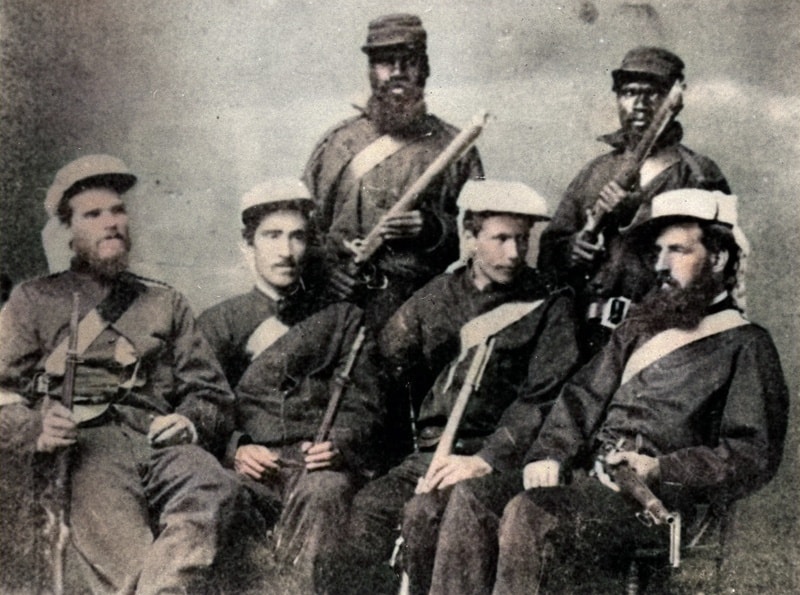
Murder of Mr Burke native trackers finding the pistols

⬅ See all events from 7 August

Spread the word on your favourite platform!

1867: Joseph Ballam Hanged at Ballarat for the Piggoreet Road Murder

Thomas Ulick Burke, manager of the Bank of Australasia at Smythesdale, was shot and killed on 10 May 1867 while travelling alone by buggy through the bush near the Coach and Horses Hotel after purchasing gold from claims along the Break-o'-Day road. His valise was found empty, all gold and banknotes taken. Joseph Ballam, an unemployed lodger at the Cosmopolitan Hotel in Piggoreet, had spent the days before the murder quietly canvassing the local claims for yield information, noting that the Break-o'-Day Company would have a good haul that fortnight.

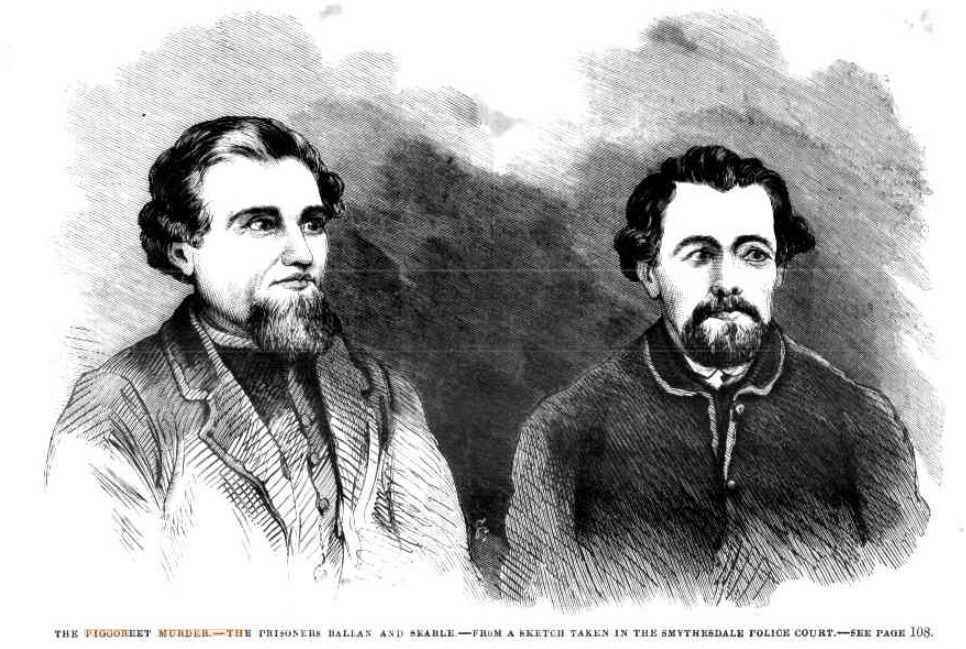
At the Ballarat Circuit Court, before Judge Barry, Ballam and co-accused George Searle, keeper of the Cosmopolitan Hotel, were charged with the wilful murder. Witnesses placed both men on horseback near the route Burke had taken on the afternoon of the killing, their horses shod with shoes of distinctive shape that a farrier could identify. Ballam was convicted and hanged at Ballarat on 7 August 1867.

Piggoreet murder prisoners Ballan and Searle Smythesdale police court

⬅ See all events from 7 August

Spread the word on your favourite platform!

1858: Matthew Burns Hanged at Avoca for Assault in a Botched Double Execution

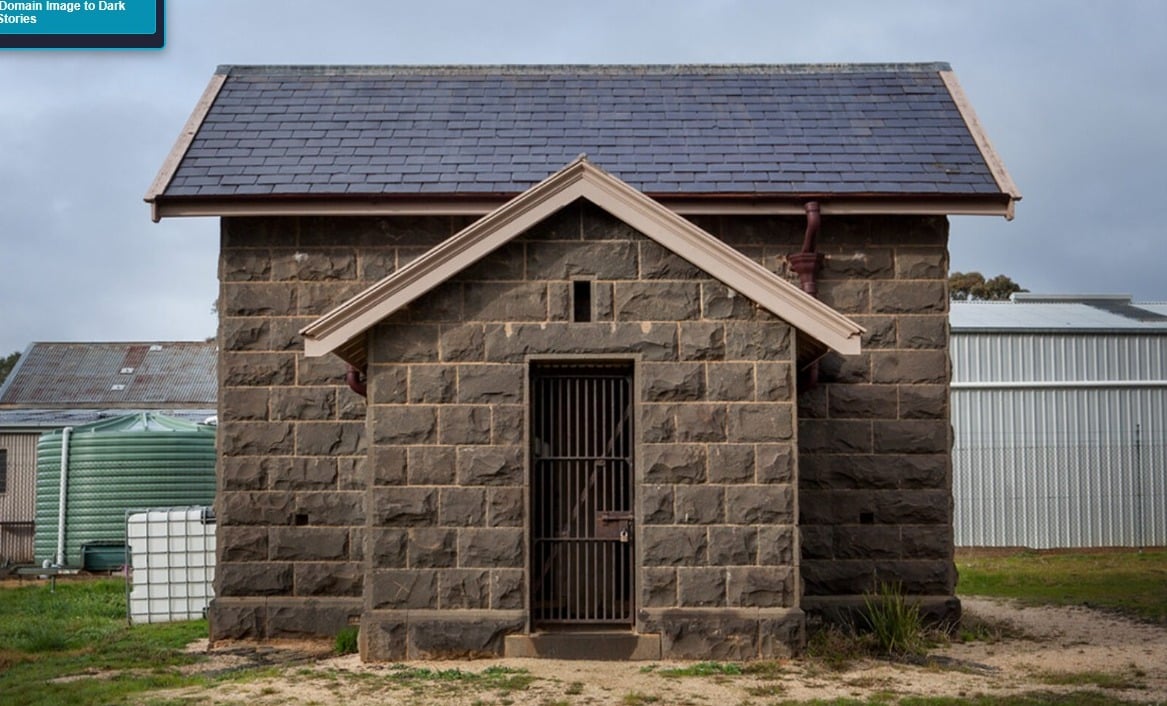
Matthew Burns, convicted of assault, and George Young, convicted of the murder of Esther Scott, were hanged together at the gaol in Avoca on 5 August 1858. Both men were attended by Catholic clergy until the final moment, clinging to every possible delay before the bolt was drawn.

The execution of Burns descended into a horror. The rope yarn used to pinion his arms gave way, allowing him to grasp the rope at his neck and resist the drop. The executioner was forced to physically compel Burns to release his hold before he finally fell, and he strangled slowly for several minutes after Young had died. The cause was later attributed to the authorities having refused to supply proper rope and twine, forcing the executioner to use whatever materials the gaol had on hand.

Neither man confessed from the scaffold, but neither protested his innocence. Both appeared, in the words of those present, to tacitly admit their guilt.

Avoca lockup
Avoca lockup

⬅ See all events from 5 August

Spread the word on your favourite platform!
On This Day in True Crime History
1863·Given a Glass of Brandy and Told to Shoot: A Servant Hanged in Melbourne for a Shanty Murder
1863·The Lover Whose Pistol Misfired: David Gedge Hanged in Melbourne for a Murder Near Mansfield
1863·On the Scaffold, She Begged Her Lover to "Clear Her": the First Woman Hanged in Melbourne
1880·Such Is Life: Ned Kelly Hanged in Melbourne for the Murder of Constable Lonigan
More Crime On This Day →

Subscribe to Dark Stories

True crime stories, dark history and tour news, straight to your inbox.