1910: Black Friday: Police Assaulted a Disabled Suffragette and Stole the Wheels From Her Wheelchair

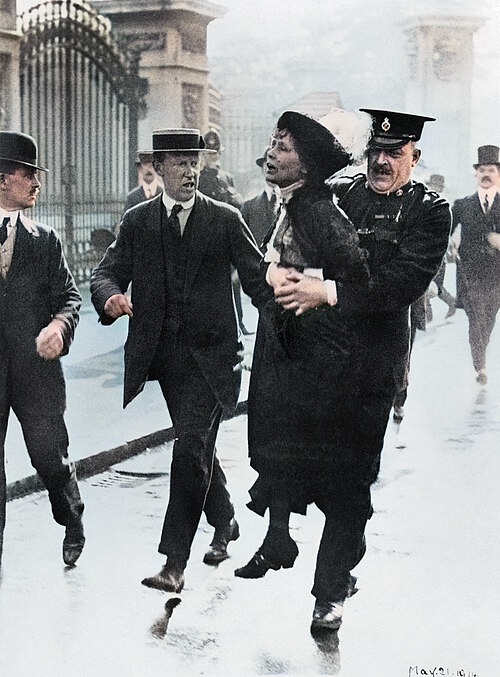
Three hundred suffragettes marched from Caxton Hall to the Houses of Parliament in London on this day in 1910, after Prime Minister H. H. Asquith reneged on a promise to give parliamentary time to a bill granting women the vote. Waiting for them were lines of police, reinforced that day by officers with no experience of the movement, and crowds of male bystanders.

For six hours the women were beaten, groped and hurled into the crowd to be assaulted again. Rosa May Billinghurst, a suffragette who campaigned from a wheelchair, was pushed down a side street, assaulted and left stranded after police stole the valves from her wheels.

Four men and 115 women were arrested, but by the next morning every charge had been dropped on the orders of Home Secretary Winston Churchill, who also refused to investigate the violence. The day became known as Black Friday, a turning point that pushed the suffragettes back toward stone-throwing and window-smashing, tactics that at least let them escape before police could close in.
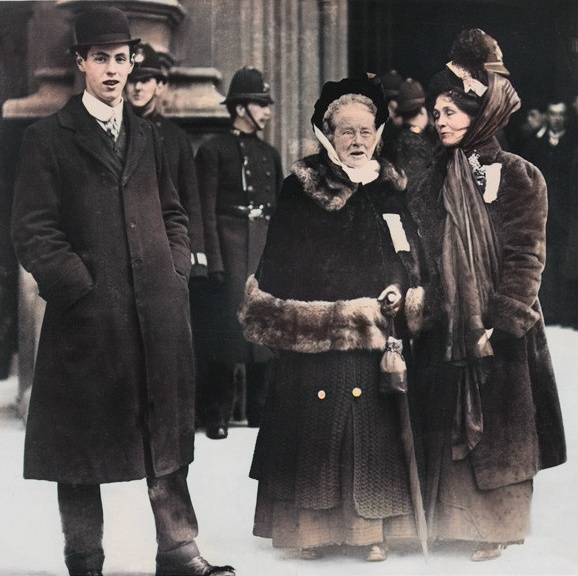

Elizabeth Garrett Anderson; Emmeline Pankhurst outside Parliament on Black Friday

⬅ See all events from 18 November

Spread the word on your favourite platform!

1980: The Yorkshire Ripper Claims His Final Victim: How a Flawed Police Profile Failed Jacqueline

Jacqueline Hill was a university student walking home in Leeds on this day in 1980 when she became the thirteenth and last victim of the man known as the Yorkshire Ripper. For years, police investigating the killings had told the public to listen for a distinctive regional accent on a taped message believed to be from the killer, a lead that consumed the manhunt and sent detectives chasing the wrong man entirely. The accent was fake, and the real killer, Peter Sutcliffe, walked free through roadblocks and vigilante patrols that were watching for someone who did not exist.

It took another two months before Sutcliffe was finally stopped, not by the profile or the manhunt, but by a routine check after he was found in a car with a prostitute and false number plates. His five year killing spree, which had terrorised West Yorkshire and prompted women across the region to organise their own night watches, was over.

The Wrong Description - The Wrong Man

⬅ See all events from 17 November

Spread the word on your favourite platform!

1798: Boarded and Press-Ganged: the Kidnapping of 55 American Sailors That Nearly Sparked a War

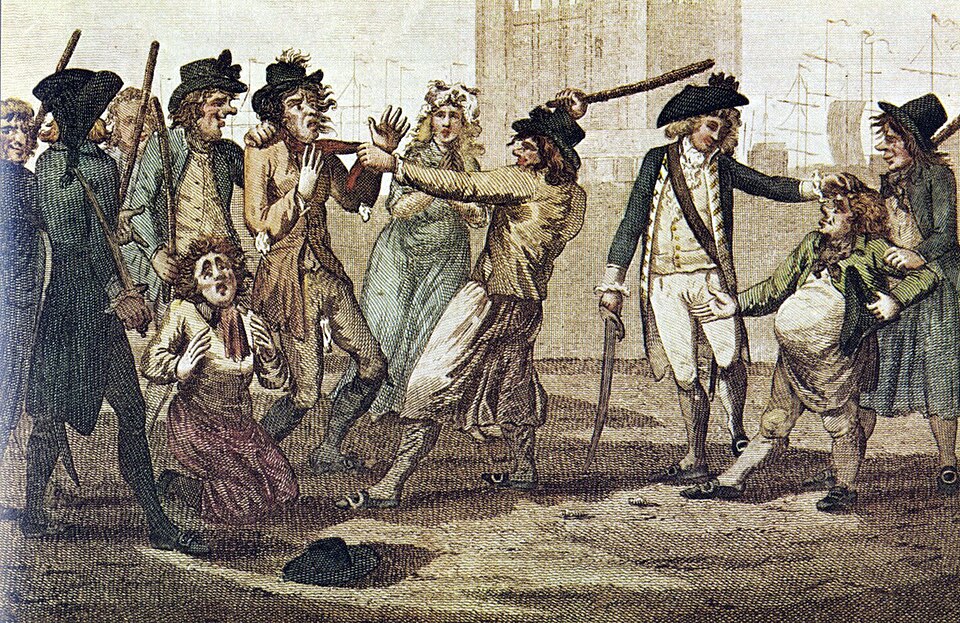
Impressment was the Royal Navy's practice of forcibly seizing men from other vessels to crew its own warships, a kind of state-sanctioned kidnapping that Britain justified by claiming the right to reclaim its own citizens wherever it found them. Off Havana, Cuba, a British squadron led by a seventy four gun warship stopped the American frigate USS Baltimore as it escorted a merchant convoy. Outgunned, Captain Isaac Phillips let British officers board and muster his crew, and on 16 November 1798 they marched off 55 men they claimed lacked proof of American citizenship.

Five were kept as British subjects; the rest were eventually handed back, but the damage was done. Phillips was dismissed from the US Navy without a court martial for surrendering without a fight, and Washington issued new orders forbidding any American commander from ever again letting a foreign warship search a US naval vessel.

The grudge festered for nine years until a US frigate, obeying those very orders, was fired on for refusing a search in the Chesapeake-Leopard affair. Impressment remained the rawest wound between the two nations, cited by President James Madison among his reasons for declaring the War of 1812.

1780 caricature of a press gang

⬅ See all events from 16 November

Spread the word on your favourite platform!

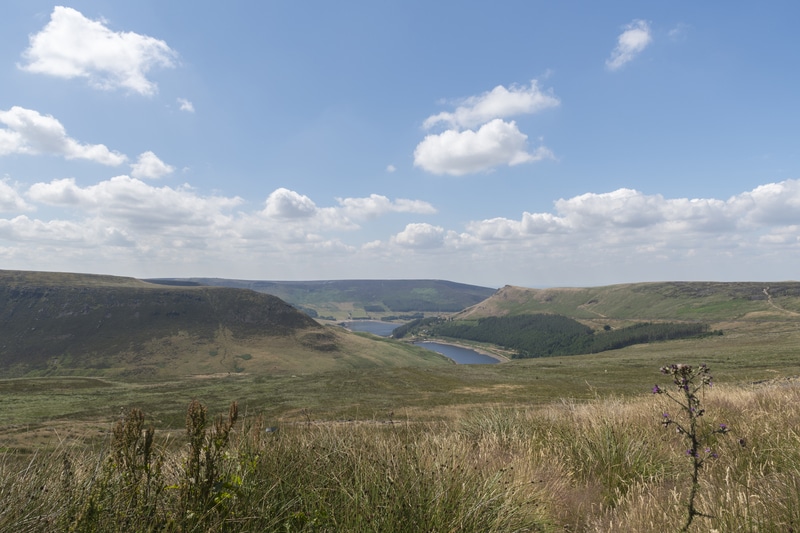
2002: Moors Murderer Myra Hindley Dies in Prison After Thirty-Six Years

Myra Hindley, convicted with Ian Brady of the Moors murders of children in the 1960s, died at West Suffolk Hospital on this day in 2002, aged 60. She had spent thirty-six years behind bars, among the longest terms served by a woman in British prison history, and successive governments ensured she would never be released despite repeated parole applications.

A chain smoker for decades, she had already survived a brain aneurysm and been diagnosed with angina before bronchial pneumonia finally killed her. She remained one of the most reviled figures in British criminal history, her name still synonymous with the murders that first brought her and Brady to notoriety.

Grim Murder Discoveries on Saddleworth Moors

⬅ See all events from 15 November

Spread the word on your favourite platform!
On This Day in True Crime History

Subscribe to Dark Stories

True crime stories, dark history and tour news, straight to your inbox.