1862: He Lied About Her, Then Confessed on the Scaffold: Hanged in Hobart for an Armed Robbery

William Mulligan broke into an isolated farm hut outside Hobart on 3 September 1862, minutes after Johanna Harbach's husband had left to tend the horses of a passing mail coach. He held a pistol on her, threatened to shoot her, dragged her back inside when she tried to flee, and robbed the house of its money.

At his trial he refused to cross-examine a single witness, reserving his defence for later, and in the weeks that followed he let it be known that Harbach's character was not what it seemed. He was convicted and hanged in Hobart on this day in 1862, attended on the scaffold by a vicar general who had sat with him since his condemnation.

Moments before his death Mulligan, handed over a written statement retracting everything he had said against her: "Whatever I have said injurious to the character of the woman I assaulted is entirely false, as far as I know, not a word can be said against her".
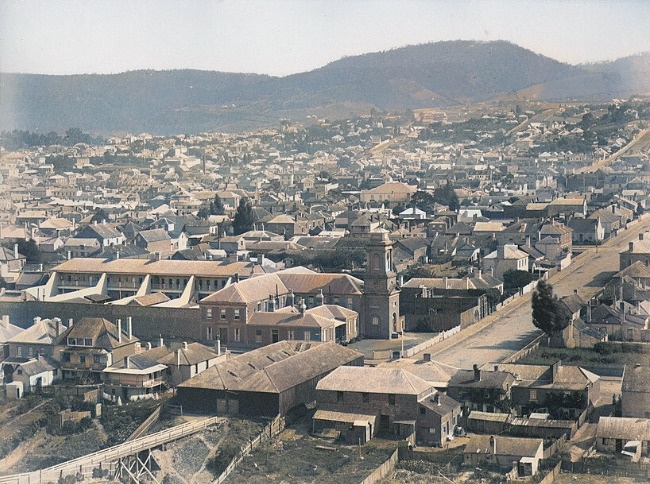

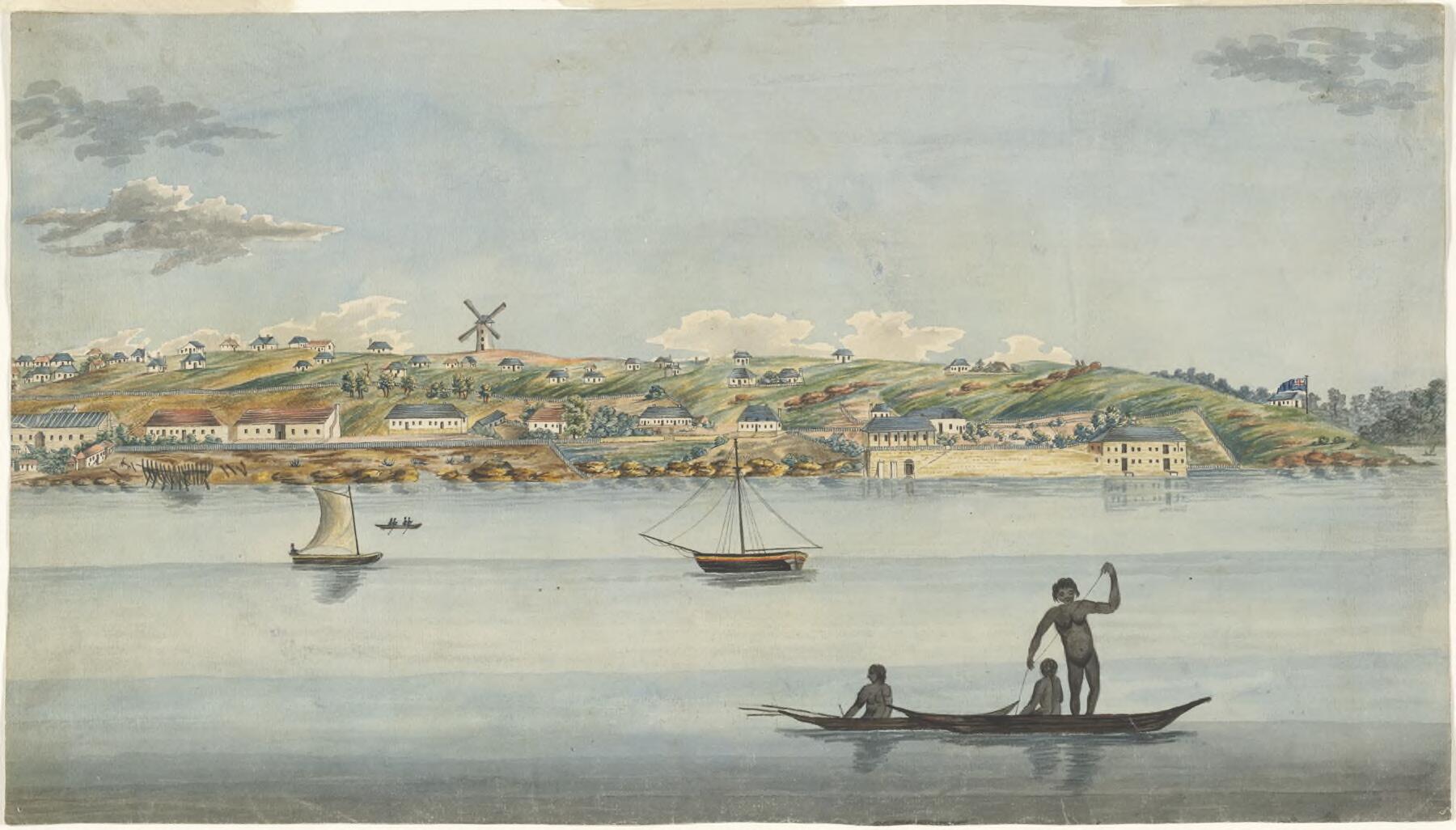
1860s site of execution photograph of Hobart town and Campbell Street Gaol

⬅ See all events from 18 November

Spread the word on your favourite platform!

1881: "That's the Man That Stabbed Me": the Dying Trooper Who Named His Killer

Robert Johnson, who travelled under the alias William Nugent, had three horses and an outstanding warrant for supplying liquor to Aboriginal people near Wellington when Trooper Harry Pearce caught up with him on the road to Kingston, South Australia, that May. The two rode off together on apparently friendly terms, but when Johnson dismounted to light his pipe and refused to go further, Pearce moved to handcuff him, and Johnson drew a knife, stabbing him again and again before unsaddling his horse and riding away.

Pearce lay in the roadside grass for hours before a passerby found him waving a handkerchief. Carried into Kingston, he lived four more days, long enough to identify his attacker from his sickbed: "That's the man that stabbed me, and that's the knife he did it with." Johnson was run down soon after, his knife still stained with blood, and at his trial that October a jury needed only fifteen minutes to convict him of wilful murder.

He petitioned the governor for mercy, arguing the trooper had provoked him by trying to handcuff him over the unlit pipe, but the plea was refused, and he was hanged at Mount Gambier on this day in 1881.

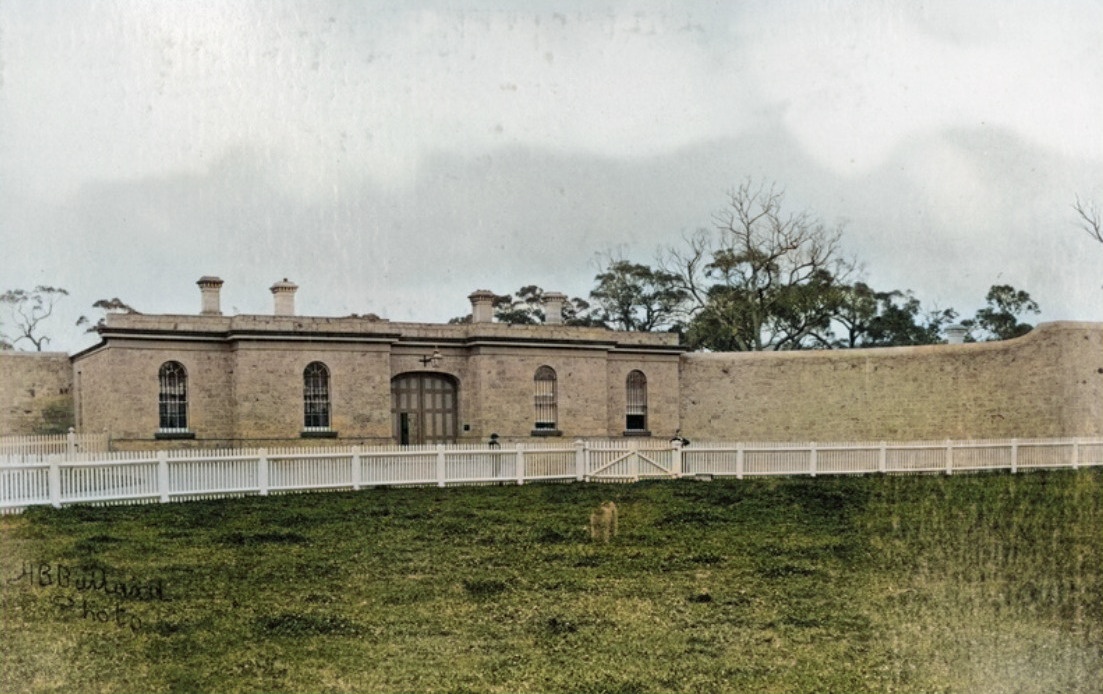
On the scaffold he made no statement beyond a final request to his priest: "See that my body is put in consecrated ground." The law required otherwise, and he was buried within the gaol walls.

Buried within the walls of Mount Gambier Gaol: State Library of South Australia

⬅ See all events from 18 November

Spread the word on your favourite platform!

1887: "He Put Me Out, I Have Put Him Out Now; I Am Satisfied": Hanged in Perth for a Fremantle Town Hall Shooting

William Conroy, a Fremantle hotelkeeper, had been turned away from a children's Jubilee ball at the town hall by steward John Snook, an elderly councillor helping to guard the door. Conroy loitered for hours, and when the dancing ended near one in the morning he followed Snook into the vestibule, drew a revolver and shot him in the face. As onlookers seized him he said flatly, "He put me out, I have put him out now; I am satisfied." Snook's shattered jaw never properly healed, and he died of the wound that September.

At his trial, Conroy's barrister argued he suffered attacks of insanity: two sisters had been confined to asylums, and witnesses described him calling himself the Governor of Mauritius and once turning his revolver on his own staff. The jury convicted him of murder but attached a strong recommendation for mercy, and more than 1500 residents, including every juror, petitioned for his life. The Governor refused to intervene. Conroy was hanged in Perth on 18 November 1887; the rope proved too thin for his muscular neck, and he strangled for nearly a quarter of an hour before he died.

Arrested hours after the shooting, Conroy told police, "I am well aware of what I have done, I am sorry for it," though he later insisted he had no memory of actually firing the shot.

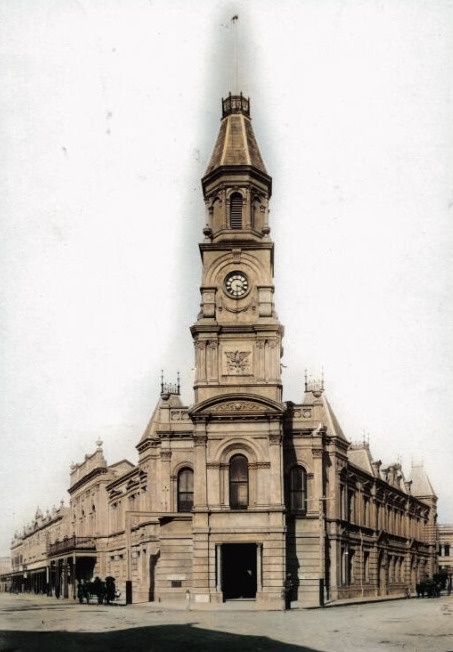
Front view of Fremantle Town Hall building in Fremantle circa 1890 | State Library of WA
State Library of WA

⬅ See all events from 18 November

Spread the word on your favourite platform!

1986: Ted Bundy Granted a Stay of Execution Just Seven Hours Before Death

Ted Bundy was strapped into the machinery of his own execution with the clock running out, only to have it stopped with seven hours to spare. The serial killer, convicted of multiple murders of young women in Florida, had exhausted appeal after appeal by the time his death warrant was signed, and his lawyers kept filing right up to the deadline.

On this day in 1986, that last-minute filing bought him a reprieve. It was not mercy, only delay: his attorneys pressed on with further appeals against his death sentences, dragging the case out for years before the state of Florida finally carried out his execution.

Empty prison corridor with lights turning on and wet floor

⬅ See all events from 18 November

Spread the word on your favourite platform!
On This Day in True Crime History

Subscribe to Dark Stories

True crime stories, dark history and tour news, straight to your inbox.