1985: France Finally Admits State-Sponsored Terrorism: the Bombing of the Rainbow Warrior in Auckland

On 10 July 1985, agents of the French secret service DGSE attached two bombs to the hull of the Greenpeace flagship Rainbow Warrior as it lay moored in Auckland Harbour, sinking the vessel and killing Portuguese photographer Fernando Pereira, who drowned trying to retrieve his camera equipment. The ship had been preparing to lead a protest flotilla against French nuclear testing in the Pacific.

Two French agents, Alain Mafart and Dominique Prieur, were arrested in New Zealand travelling under false Swiss identities and later pleaded guilty to manslaughter, drawing widespread attention to the operation’s codename, Operation Satanique.

For weeks the French government denied any involvement, until on 22 September 1985 Prime Minister Laurent Fabius publicly admitted that French secret service agents had sunk the ship acting on orders, an extraordinary confession of state-directed sabotage carried out against an allied nation.
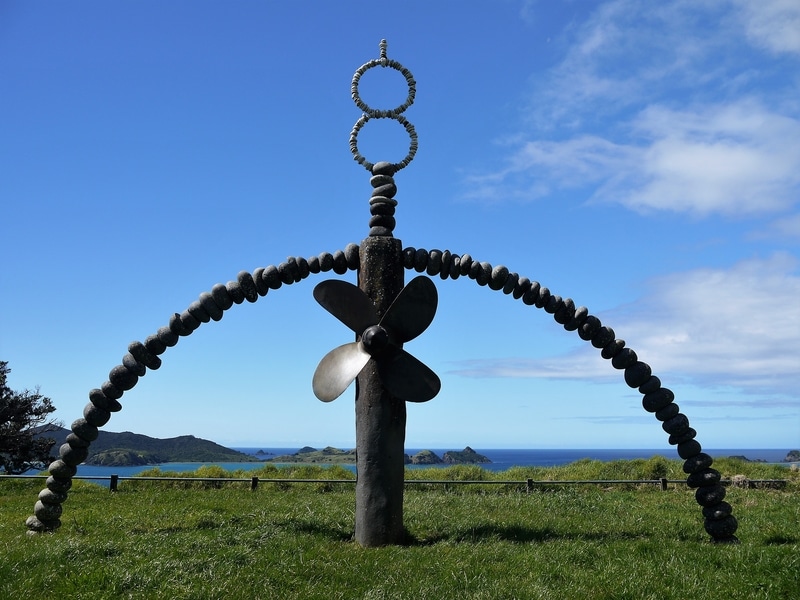

New Zealand: Matauri Bay Rainbow Warrior memorial. Matauri Bay, Northland, memorial to Rainbow Warrior sculpted by Chris Booth | ID 101374786 © Jill Shepherd | Dreamstime.com
ID 101374786 © Jill Shepherd | Dreamstime.com

⬅ See all events from 22 September

Spread the word on your favourite platform!

1920: The Wagon That Vanished: New York’s Unsolved Wall Street Bombing

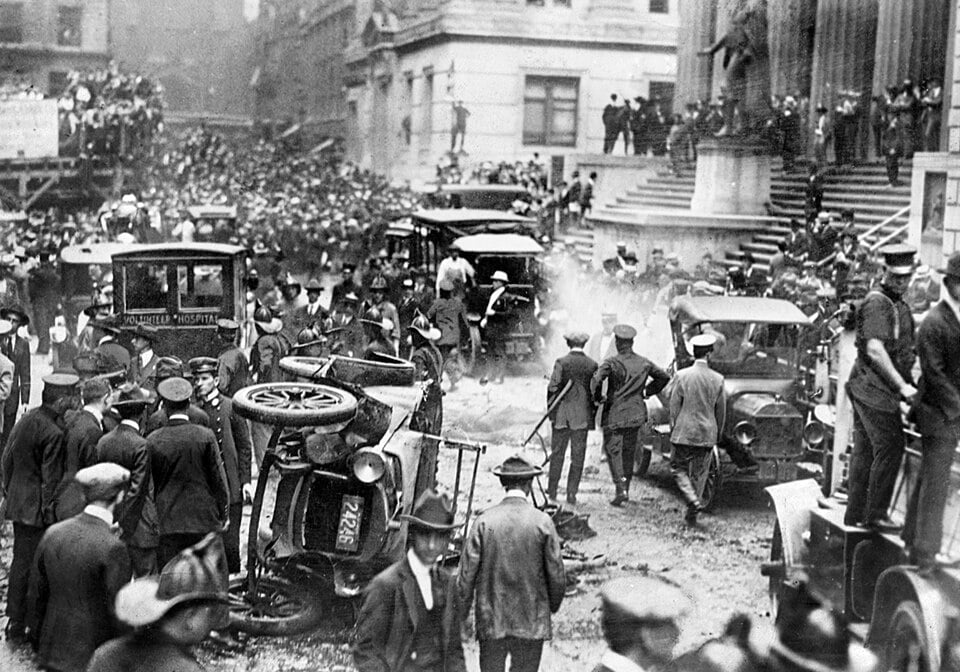
At 12:01 pm on September 16, 1920, a horse-drawn wagon parked across from the J.P. Morgan & Co. headquarters at 23 Wall Street exploded, packed with 100 pounds of dynamite and 500 pounds of cast-iron sash weights turned into shrapnel. Thirty people died instantly and eight more later succumbed to their wounds, with 143 seriously injured and hundreds hurt in total. Witnesses saw the driver step down and vanish down a side street moments before the blast; he was never identified.

Within a minute, the New York Stock Exchange president suspended trading to head off panic. A 17-year-old messenger, commandeered a parked car and used it to ferry 30 wounded victims to hospital as police seized nearby vehicles for the same purpose. Crews worked through the night to clear the wreckage so the Exchange could reopen the next morning, but in doing so destroyed evidence that might have identified the bomber.

Investigators from the Bureau of Investigation, forerunner of the FBI, suspected the attack was the work of Galleanist anarchists responsible for a string of bombings the previous year, but no one was ever charged. More than a century on, the Wall Street bombing remains unsolved, its perpetrator and motive still unknown.

Historic photo of bombing aftermath on Wall Street

⬅ See all events from 16 September

Spread the word on your favourite platform!

1979: Mountbatten Killed by IRA Bomb Off the Irish Coast

On 27 August 1979, Lord Louis Mountbatten, 79, was killed when a bomb planted by the Provisional IRA detonated aboard his fishing boat, Shadow V, in the waters off Mullaghmore, County Sligo, Ireland. The bomb, concealed on the vessel the night before, was remotely detonated as Mountbatten and family members set out from the harbour. Three others died in the blast, including his 14-year-old grandson Nicholas Knatchbull and a 15-year-old local boy.

Thomas McMahon, an IRA bomb-maker, was arrested hours before the explosion on unrelated grounds and later convicted of the murders based on forensic evidence linking him to the boat. The attack was coordinated with the Warrenpoint ambush the same day, which killed 18 British soldiers, making 27 August 1979 one of the deadliest days for British forces during the Troubles.

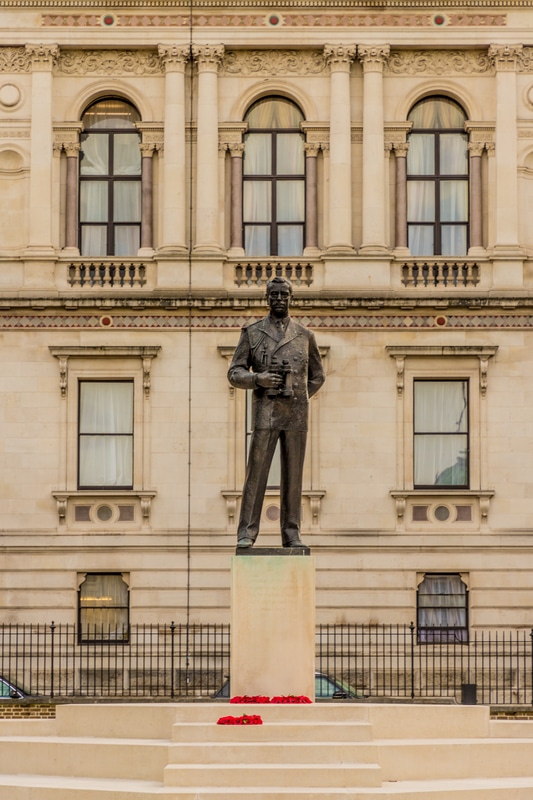
A typical view in London. London. October 2018. A statue of Lord Mountbatten in Horse guards parade in london | ID 130381623 © Chris Mouyiaris | Dreamstime.com
ID 130381623 © Chris Mouyiaris | Dreamstime.com

⬅ See all events from 27 August

Spread the word on your favourite platform!

1962: De Gaulle Survives a Hail of Bullets at Petit-Clamart

On the evening of 22 August 1962, Lieutenant-Colonel Jean Bastien-Thiry led a carefully planned ambush on the presidential motorcade at Petit-Clamart, south of Paris. Acting under the banner of the Organisation armee secrete (OAS), his team opened fire with automatic weapons as de Gaulle’s car passed, riddling the vehicle with bullets. The president and his wife escaped without injury.

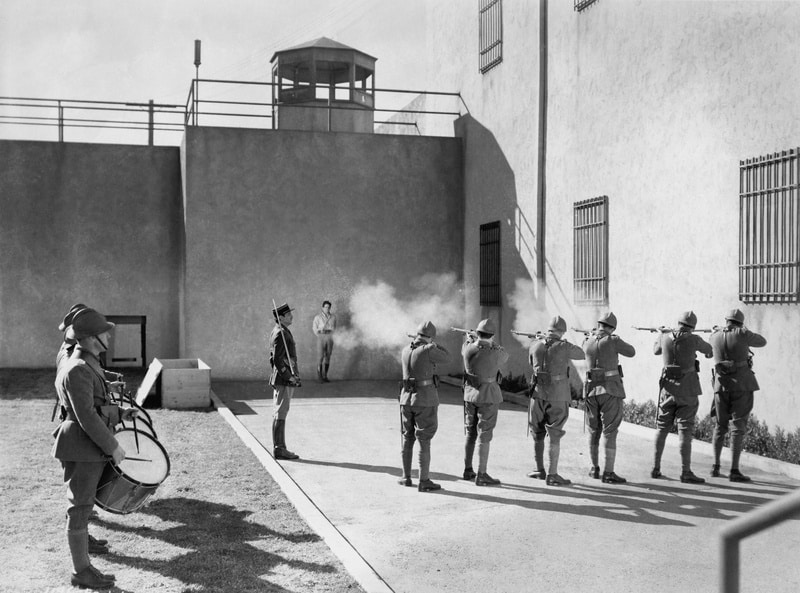
The attack, code-named Operation Charlotte Corday, triggered a massive manhunt that swept up nearly all participants within months. Bastien-Thiry was brought before a military court, where he justified the attempt by declaring de Gaulle a tyrant who had betrayed French Algeria. He was sentenced to death and executed by firing squad in March 1963, the last person to die by that method in France.

Historical firing squad execution scene

⬅ See all events from 22 August

Spread the word on your favourite platform!
On This Day in True Crime History
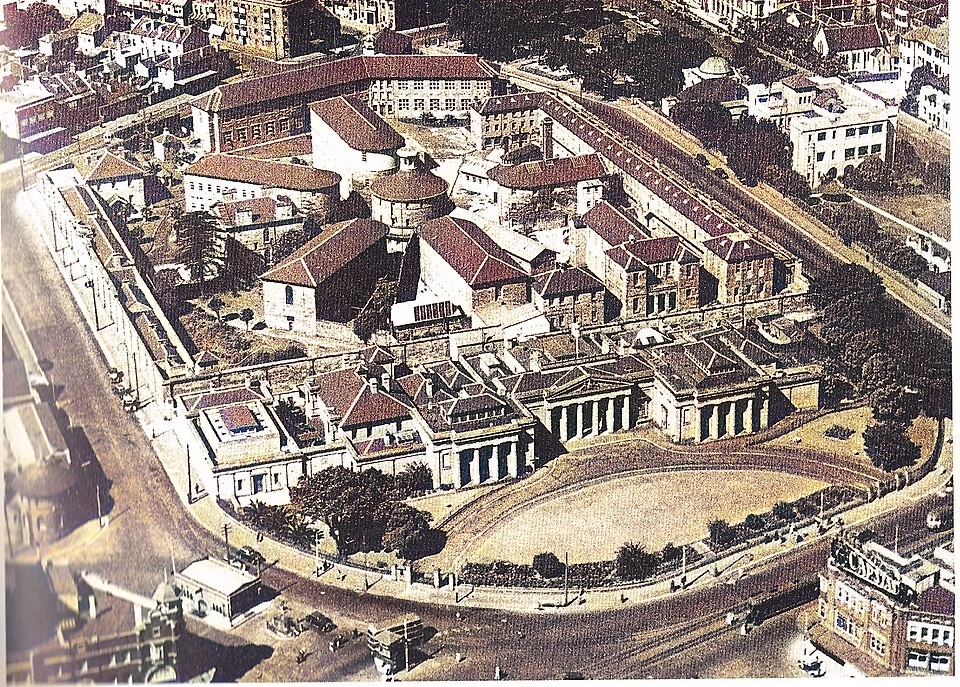
1841·First Blood on the Gallows: Two Men Hanged at the New Darlinghurst Gaol
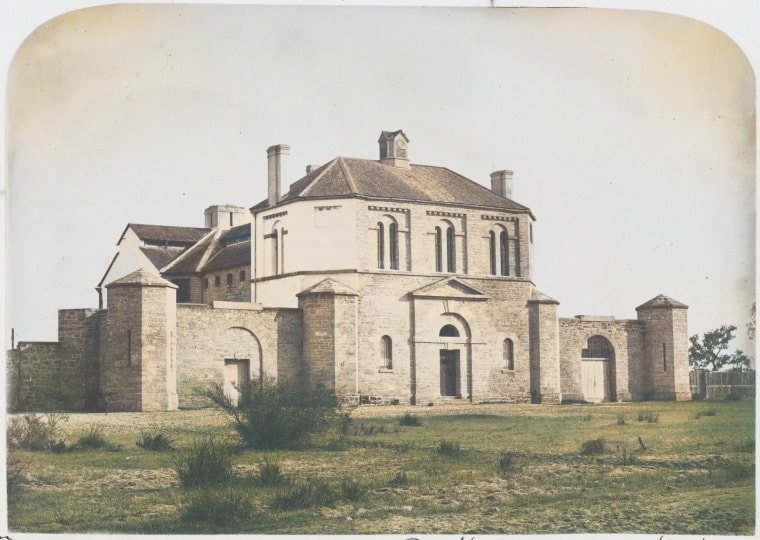
1857·Newly Freed, Then Shot by His Employer: A Convict Hanged in Perth for Attempted Murder
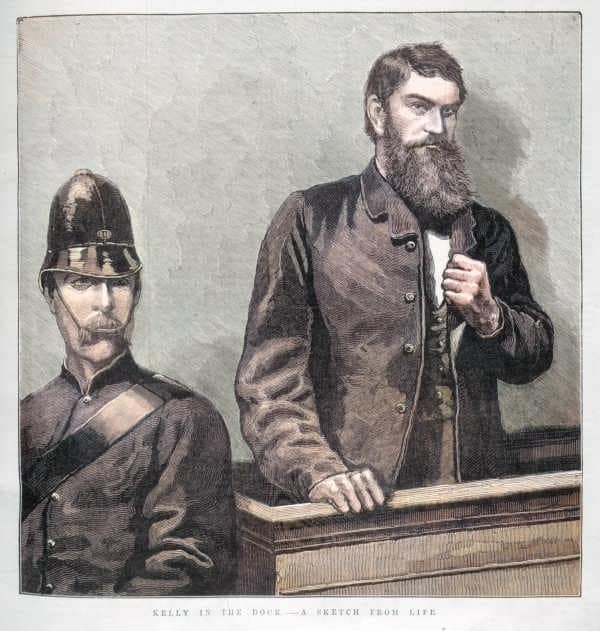
1880·Ned Kelly Sentenced to Hang in Melbourne
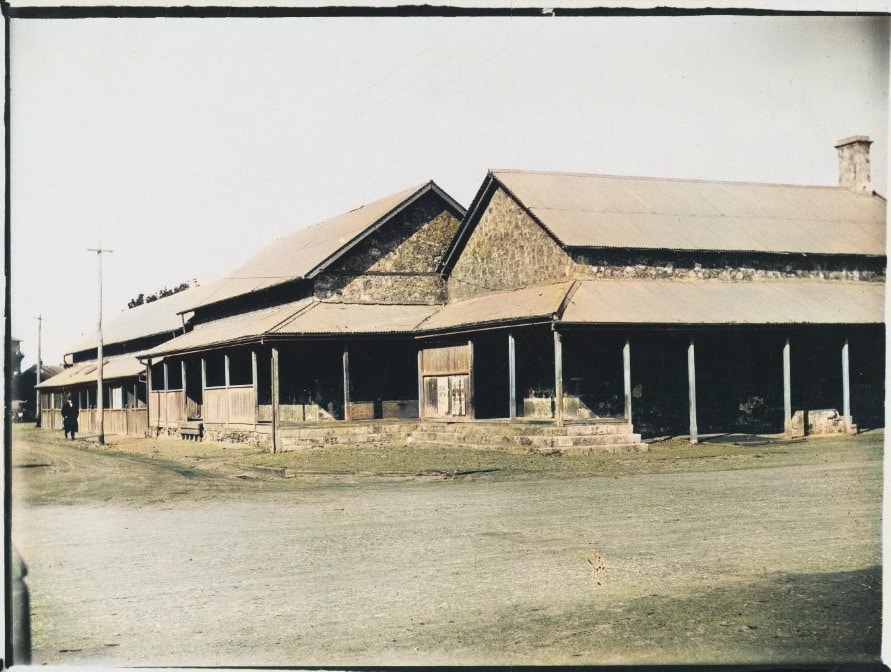
1907·He Knew Where She Kept Her Money, But Killed Her Instead: Hanged in Sydney for the Murder of a Widow
1927·Squizzy Taylor Buried in Melbourne as a Morbid Crowd Forces Police to Intervene
More Crime On This Day →

Subscribe to Dark Stories

True crime stories, dark history and tour news, straight to your inbox.