1858: He Swallowed Her Earrings to Hide the Evidence: Hanged at Geelong for the Green Tent Murder

Owen McQueeny was a wandering Irish robber with one sightless eye who spent weeks haunting the proprietress of the Green Tent, a grocery and tavern serving gold diggers on a track near Geelong, Victoria. Elizabeth Lowe, a young widow raising two small children alone, had already told a passing carrier she feared the man and his talk of pistols. That July in 1858, McQueeny shot her dead and vanished with her jewellery.

Travellers soon reported a dead-eyed swagman heading for Geelong loaded with the dead woman’s distinctive earrings, and police closed in fast. Awaiting trial, McQueeny was caught hiding the earrings by swallowing them, retrieving them from the gaol’s waste tub and passing them to a departing cellmate to smuggle out for safekeeping. He was convicted of her murder and hanged at Geelong on 20 October 1858, freely confessing to a string of other robberies while insisting to the last that he had not killed her.

As the death warrant was read to him he only shrugged, “Well, I suppose it can’t be helped,” convinced to the very end that public dislike of hanging would see him reprieved.
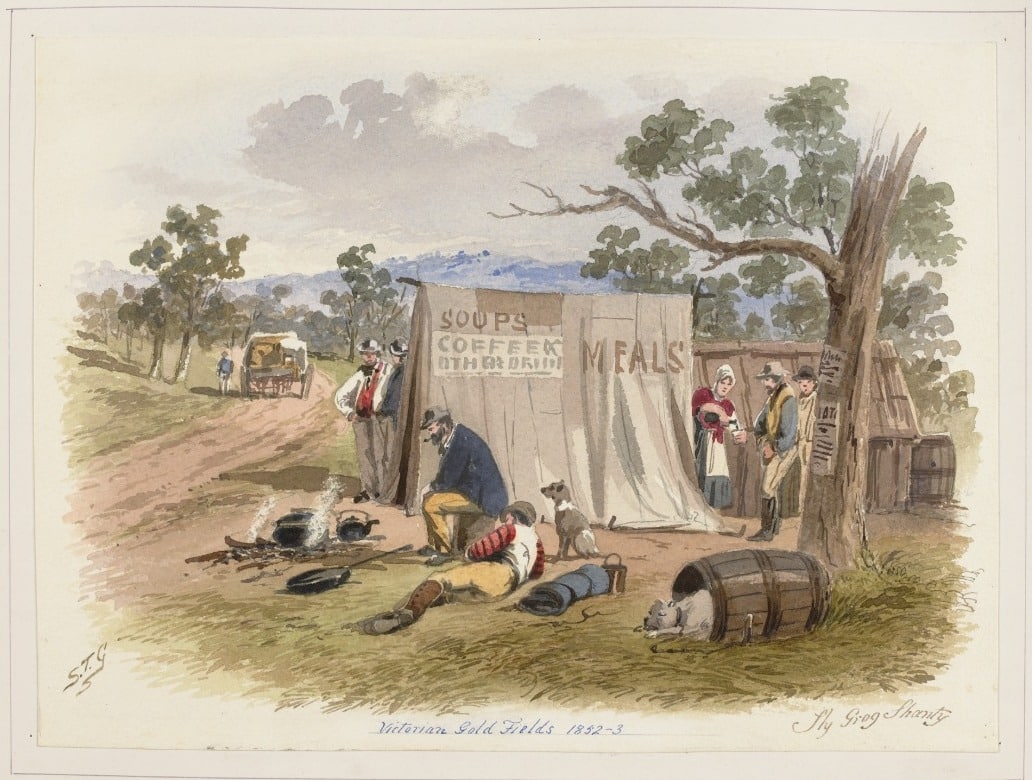

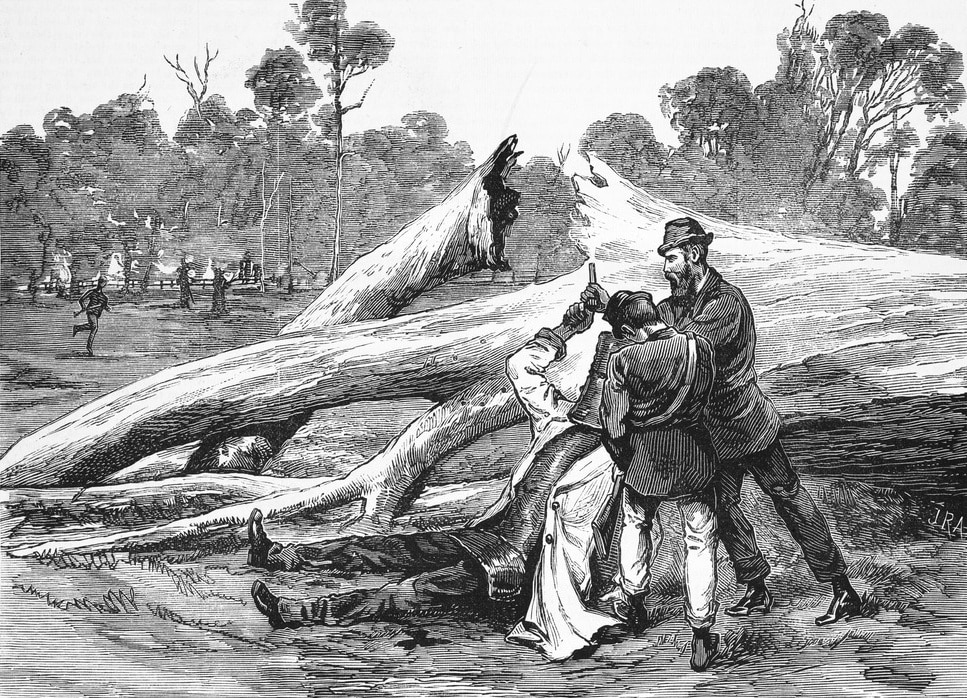
Sly grog shanty on Victorian goldfields tavern scene

⬅ See all events from 20 October

Spread the word on your favourite platform!

1826: The Informer Who Refused to Kill: Two Bushrangers Hanged Near Sydney

Patrick Sullivan and James Moran led a gang of bushrangers who terrorised the Bathurst district through 1826, raiding stations and homes for firearms, horses and supplies. When Sullivan ordered a gang member to murder a stockman in cold blood, the man balked, slipped away in the dark and turned himself in, giving evidence that broke the gang apart.

Tried before the Sydney Criminal Court, Sullivan and Moran pleaded guilty to burglary and horse theft and were sentenced to death. They were hanged at Irish Town on the Liverpool Road, near present-day Bankstown, on 18 October 1826, two days after their accomplices were. Their bodies were left suspended for the rest of the day as a warning to others.

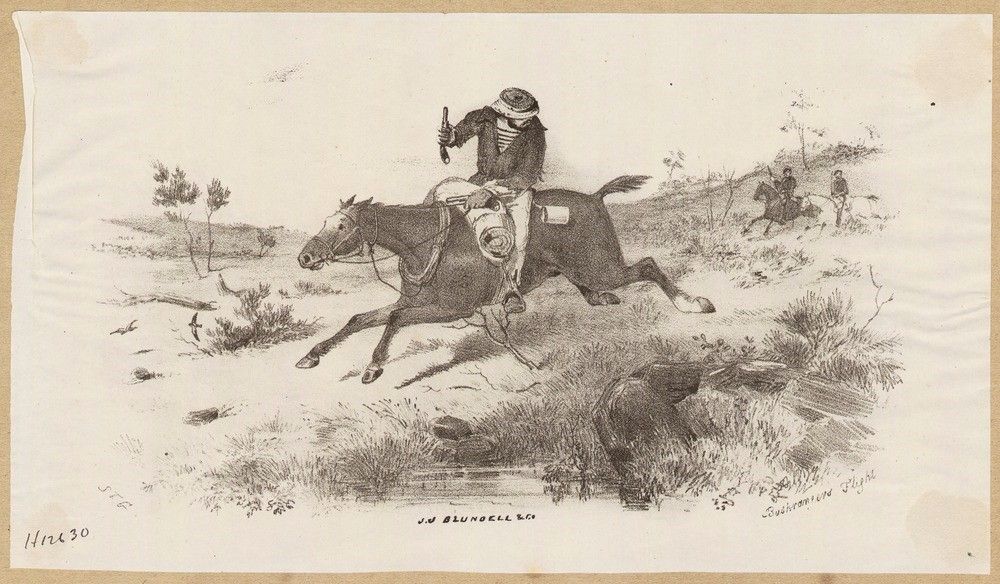
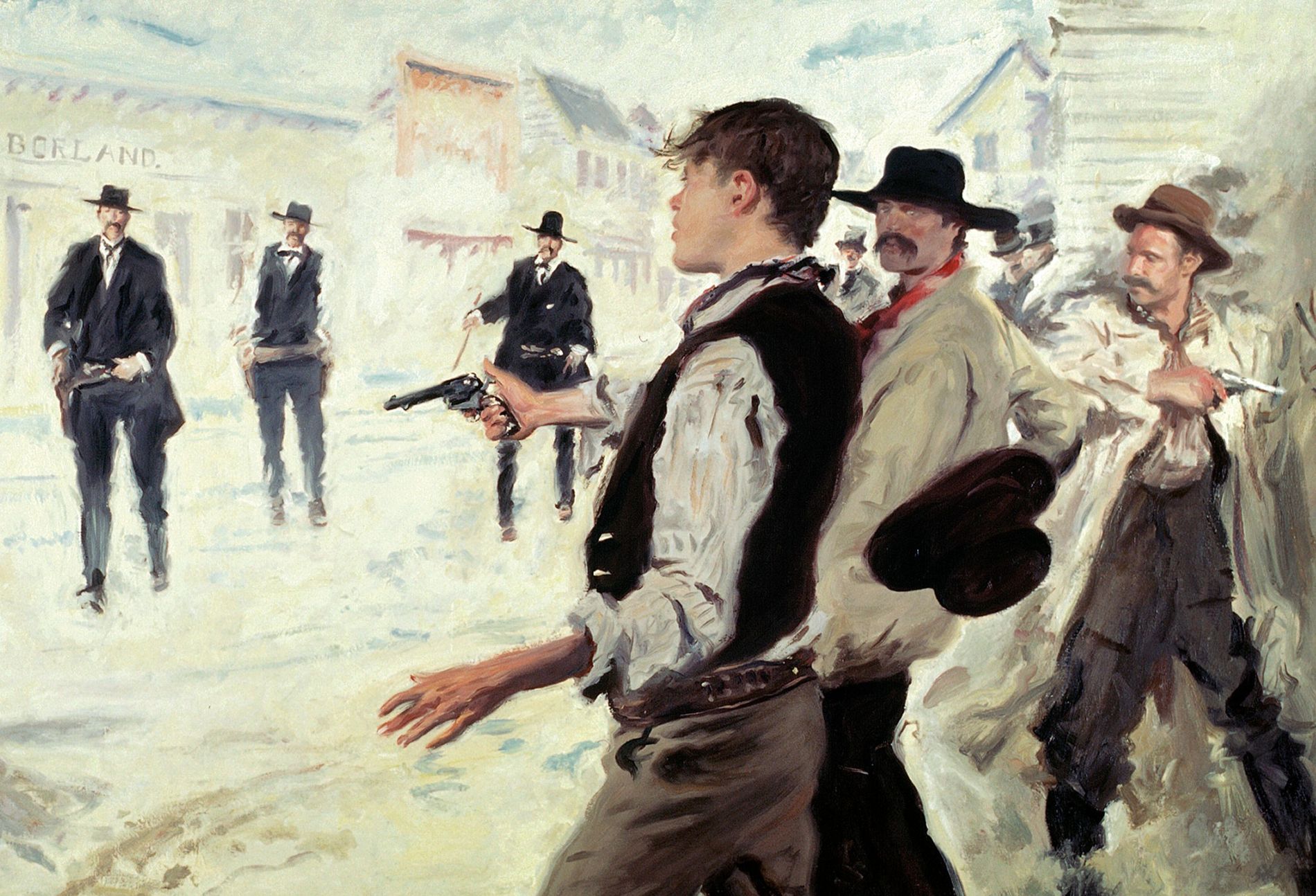
Bushrangers flight scene from 1856 illustration

⬅ See all events from 18 October

Spread the word on your favourite platform!

1826: The Gun That Misfired Twice: Three Bushrangers Hanged Outside Sydney

At a settler’s hut near Burwood, outside Sydney, bushranger Thomas Mustin levelled a loaded musket point-blank at a visiting neighbour, and pulled the trigger. It merely flashed in the pan; he drew a pistol, and that misfired too, and in the scuffle that followed Mustin and his companions escaped briefly into the bush.

Mustin, Daniel Watkins and John Brown were convicted over this attack and a string of armed robberies around Burwood and the Liverpool Road, including one household where the terrified wife recognised Brown as a former constable but was too afraid to say so.

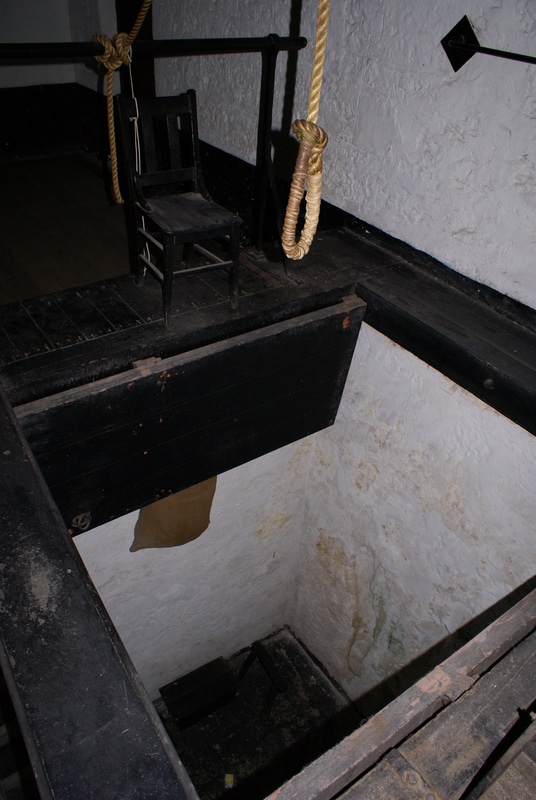
On 16 October 1826 the three were marched from Sydney Gaol under military escort. All three acknowledged the justice of their sentence on the scaffold and prayed for mercy, offering no claim of innocence. They hanged together on a temporary gallows at Burwood, and their bodies were left on display throughout the day.

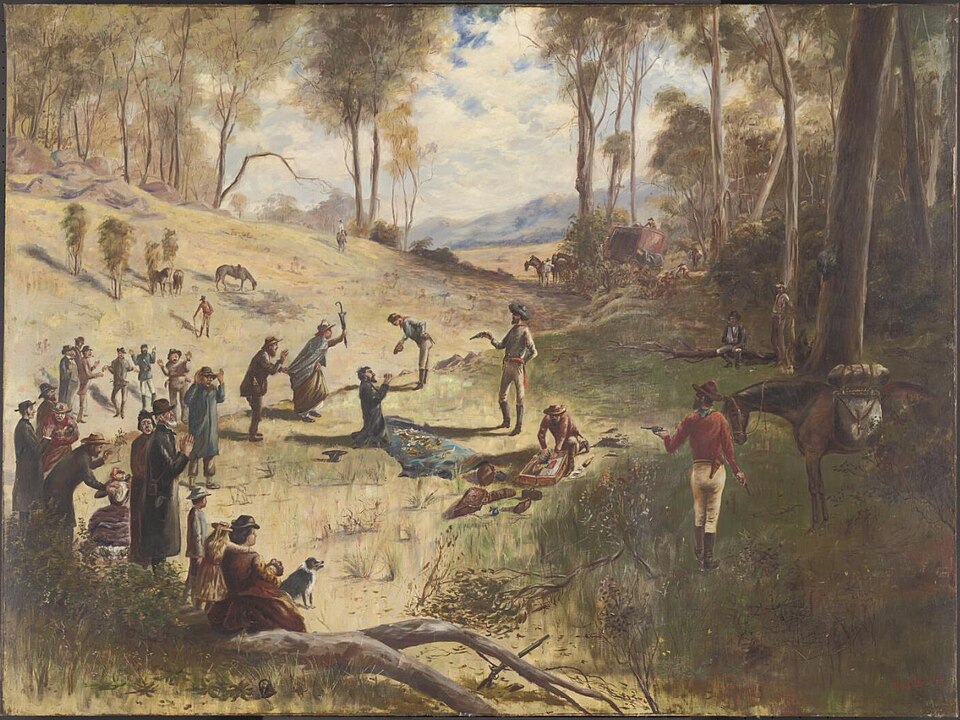
Bushrangers holding up coach passengers illustrated scene

⬅ See all events from 16 October

Spread the word on your favourite platform!

1826: Sullivan Gang Bushrangers Hanged Near Parramatta, One Sobbing to the Last

Matthew Craven and Thomas Cavanagh rode with a bushranging gang led by Patrick Sullivan that terrorised stations around Bathurst for half a year, robbing homesteads, stealing horses and holding settlers at gunpoint. Captured after a shootout at a bark hut, the pair pleaded guilty at trial to burglary and theft and were sentenced to hang.

On 16 October 1826 they left Sydney Gaol with three other condemned men bound for Burwood, where they were hanged before a large crowd that morning. Straight afterwards, the two men, Craven and Cavanagh travelled further on on to the Western Road near Parramatta, arriving about noon to face their own gallows.

Witnesses said their contrition was conspicuous; Craven, described as barely twenty, reportedly hung his head and sobbed bitterly as the ropes were fitted.

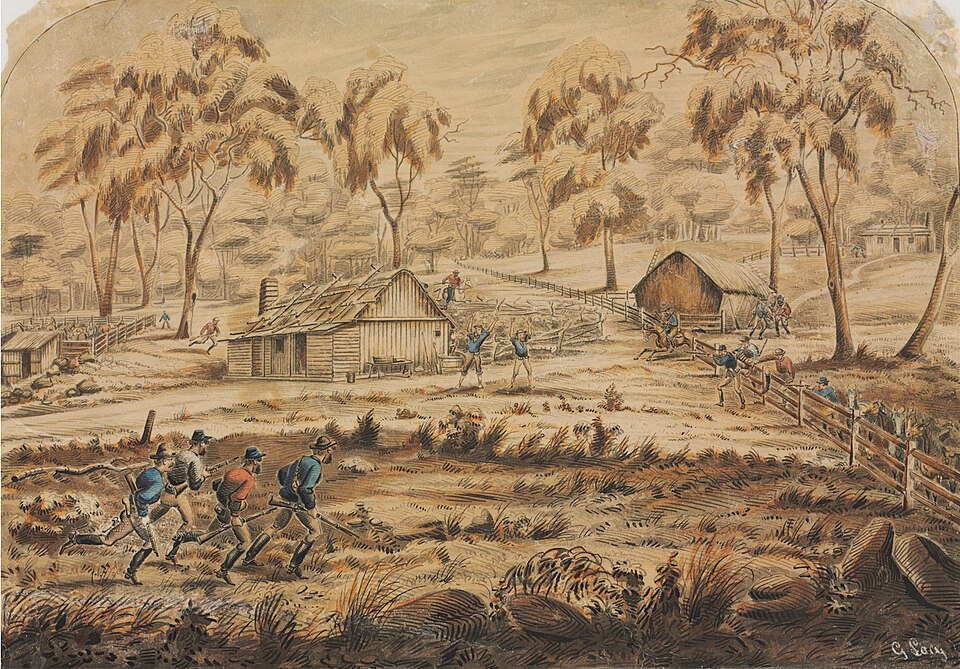
Bushrangers in action: Water colour drawing created by George Lacy 1867

⬅ See all events from 16 October

Spread the word on your favourite platform!
On This Day in True Crime History

Subscribe to Dark Stories

True crime stories, dark history and tour news, straight to your inbox.