1911: The Mona Lisa Stolen from the Louvre by a Museum Employee

In the early hours of 21 August 1911, Vincenzo Peruggia, an Italian handyman who had worked at the Louvre, hid inside the museum overnight, lifted Leonardo da Vinci’s Mona Lisa from the wall, concealed it under his coat, and walked out. The theft went unnoticed for nearly 24 hours. The empty hooks on the wall were initially assumed to mean the painting had been taken for photography.

Peruggia kept the masterpiece hidden in his Paris apartment for over two years before attempting to sell it to an art dealer in Florence. He was arrested in December 1913, and the painting was recovered intact. Peruggia claimed he had acted out of Italian patriotism, believing the work had been stolen by Napoleon and deserved to be returned to Italy. He served just seven months in prison.
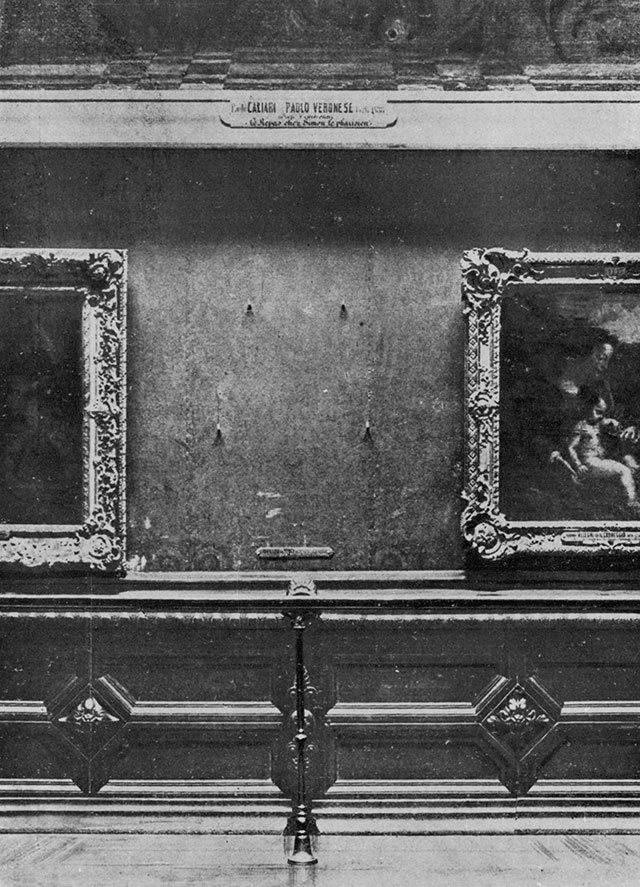

Empty gallery wall after Mona Lisa theft 1911

⬅ See all events from 21 August

Spread the word on your favourite platform!

1546: Scholar and Printer Etienne Dolet Hanged and Burned for Heresy in Paris

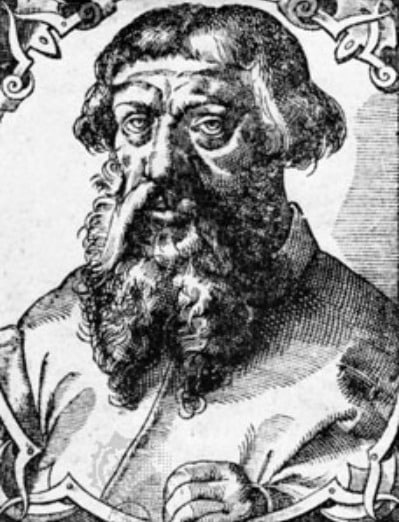
Etienne Dolet, born in Orleans in 1509, was a French scholar, translator and printer whose humanist convictions put him on a collision course with the French Inquisition. Educated at Padua and Toulouse, he built a reputation as a gifted orator and a defiant critic of religious orthodoxy. His publications in Lyon drew the close attention of inquisitorial authorities, and after several periods of imprisonment, the combined forces of the parlement of Paris, the Inquisition, and the Sorbonne secured his conviction for heresy, blasphemy and sedition.

On 3 August 1546, his 37th birthday, Dolet was hanged and burned alongside his books on the Place Maubert in Paris. He is remembered today as a martyr for freedom of speech and freedom of the press.

16th century engraving portrait of Etienne Dolet

⬅ See all events from 3 August

Spread the word on your favourite platform!

1835: The Infernal Machine: Fieschi’s 25-Barrel Assassination Attempt on King Louis Philippe I

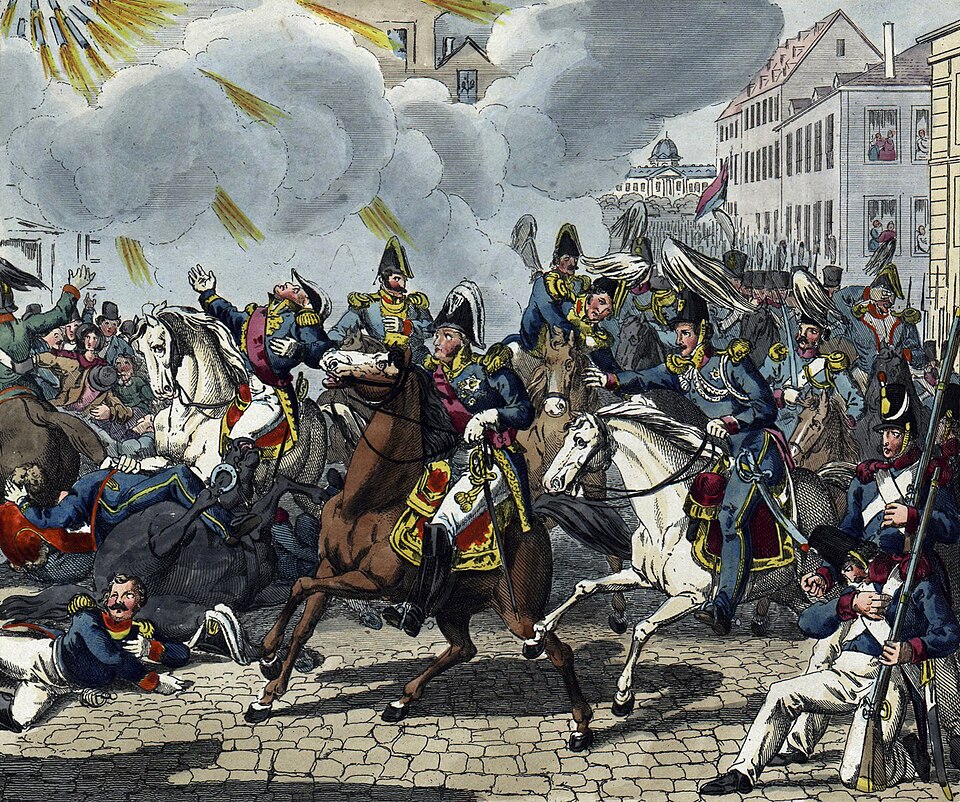
On 28 July 1835, Giuseppe Marco Fieschi fired a homemade 25-barrel volley gun, dubbed the ‘infernal machine’, from a third-floor window at 50 Boulevard du Temple in Paris, directly into the convoy of King Louis Philippe I of France. The weapon unleashed around 400 projectiles in a single volley; the king escaped with only a graze to the forehead, but 18 people were killed and 22 more wounded, at least four of whom had limbs amputated.

The gun’s design proved its own undoing: French artillery officers later concluded that if Fieschi had understood ballistics well enough to angle the barrels so they diverged and crossed, he could have killed up to 200 additional people and destroyed the king entirely. Instead, the parallel configuration limited the carnage. Fieschi himself was badly wounded when several barrels burst; he fled but was tracked by a trail of blood and captured shortly after.

Illustration of an assassination attempt on a king

⬅ See all events from 28 July

Spread the word on your favourite platform!

1793: Robespierre Joins the Committee of Public Safety

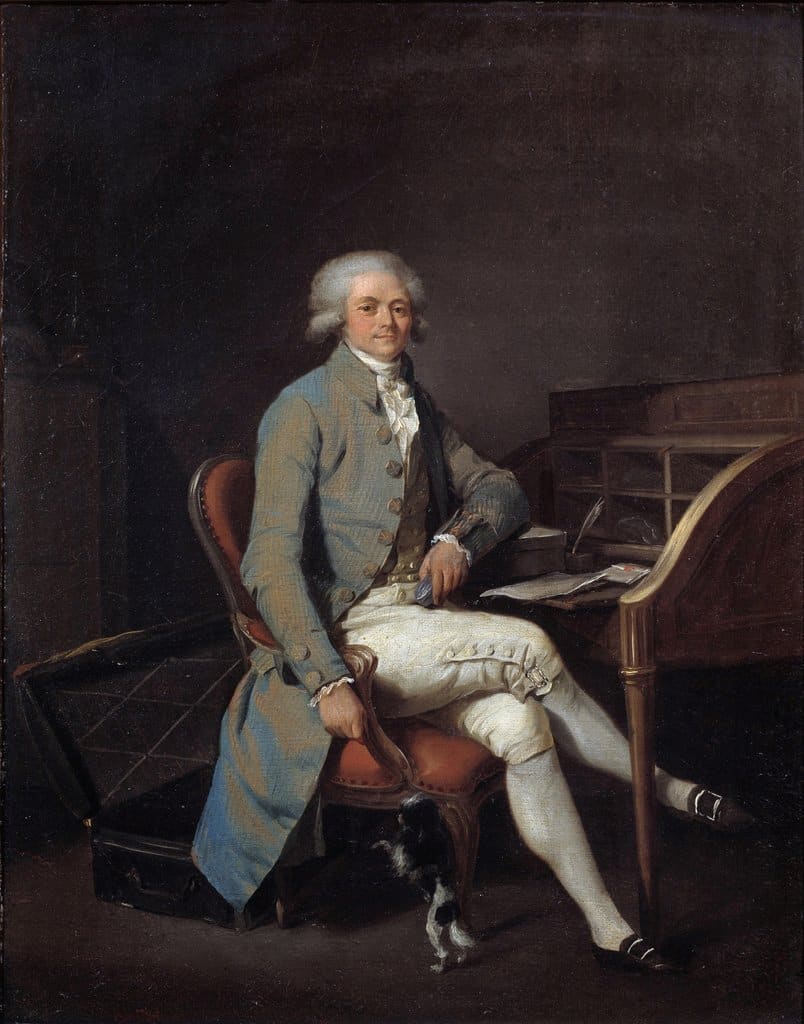
On 27 July 1793, Maximilien Robespierre was elected to the Committee of Public Safety, the twelve-man body that effectively governed France during the most turbulent phase of the Revolution. His appointment marked a turning point: within months, the Committee would become the engine of the Terror, overseeing the execution of thousands deemed enemies of the Republic.

Robespierre’s influence on the Committee was profound and lethal. Under his direction, the Revolutionary Tribunal accelerated its work, sending nobles, clergy, political rivals, and ordinary citizens to the guillotine. His own end came almost exactly a year later, when the Thermidorian Reaction turned the machinery of the Terror against its architect.

Portrait of Robespierre by Louis Boilly

⬅ See all events from 27 July

Spread the word on your favourite platform!
On This Day in True Crime History
1853·"I Would Finish You Now": Hanged in Melbourne for the Murder of His Mistress
1853·The Young Witness Testifies: Alexander Ram Hanged in Melbourne for Murdering Kitty Hennessy
1883·Hanged in Perth, Each Still Blaming the Other to the End
1885·Hanged in Brisbane After a Feverish Stockman Shot the Manager Who Denied Him Hospital
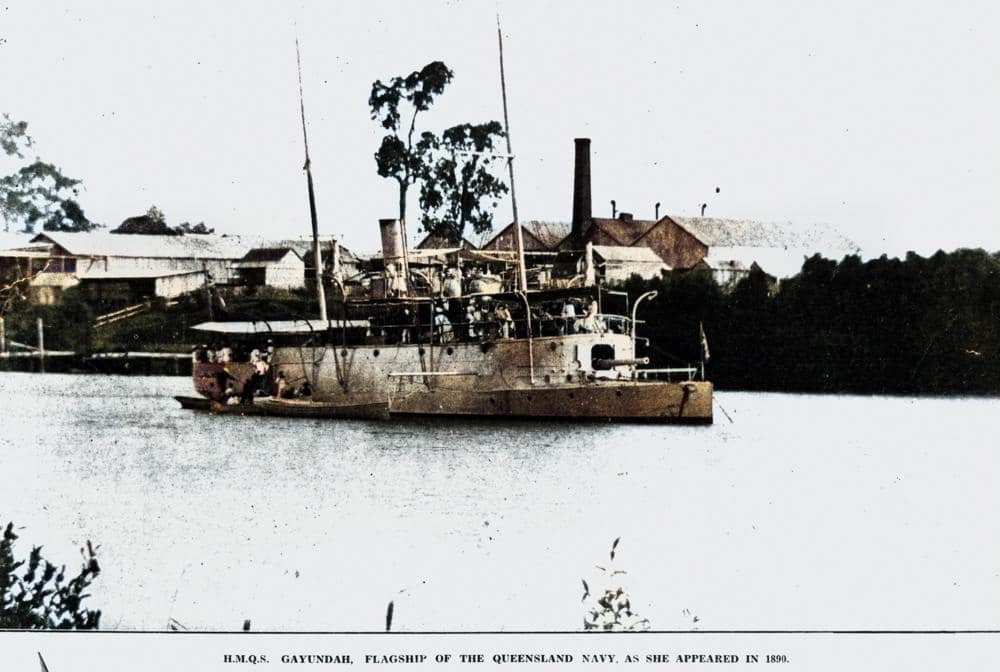
1888·Mutiny on the Brisbane River: the Captain Who Threatened to Turn His Guns on Parliament
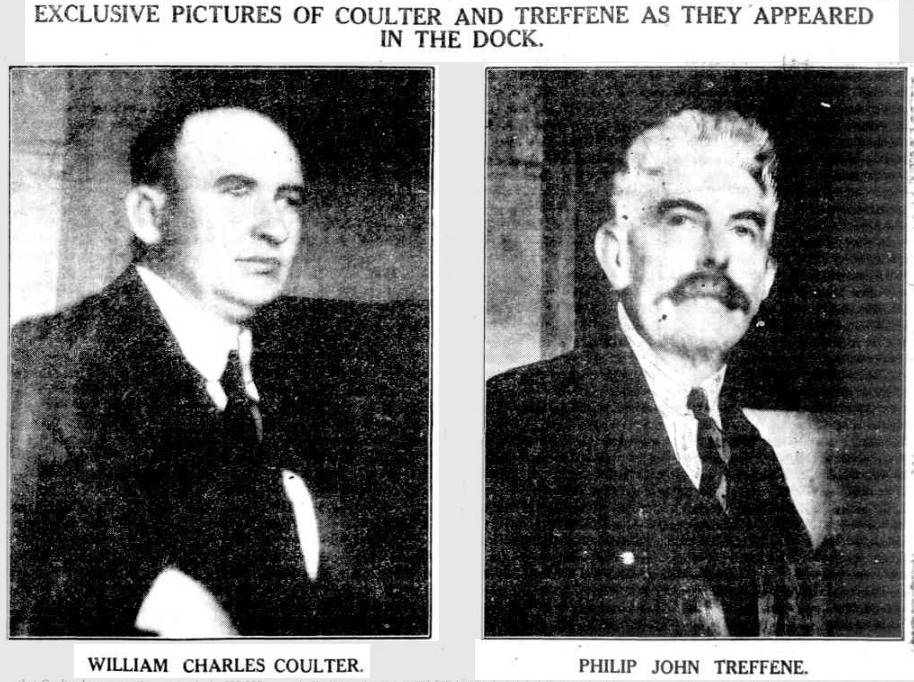
1926·The Gold He Took to His Grave: Two Men Hanged in Fremantle for Killing Two Police Officers
More Crime On This Day →

Subscribe to Dark Stories

True crime stories, dark history and tour news, straight to your inbox.