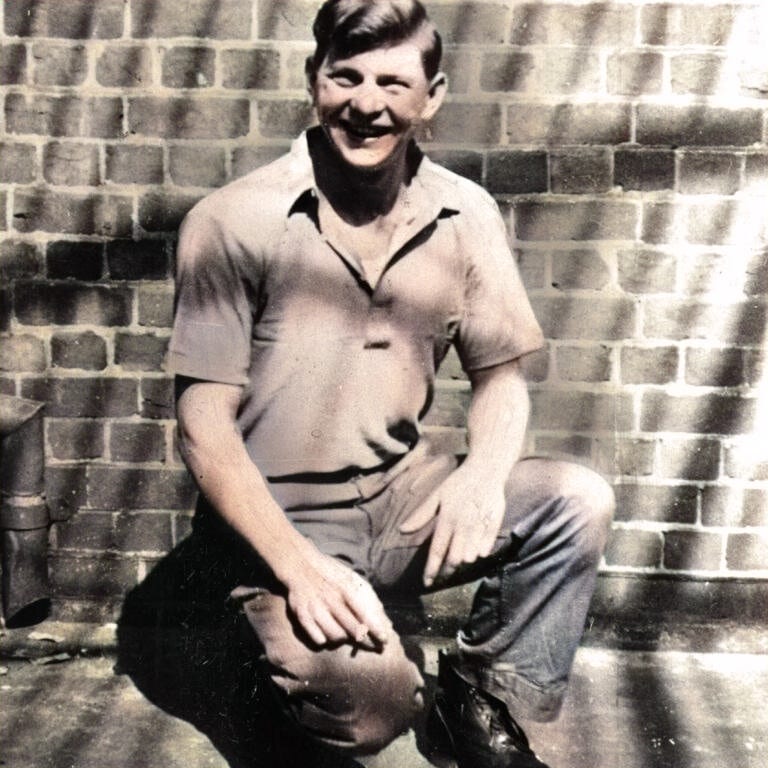
1843: Hanged Outside Adelaide Gaol for the Port Lincoln Station Murders of 1842

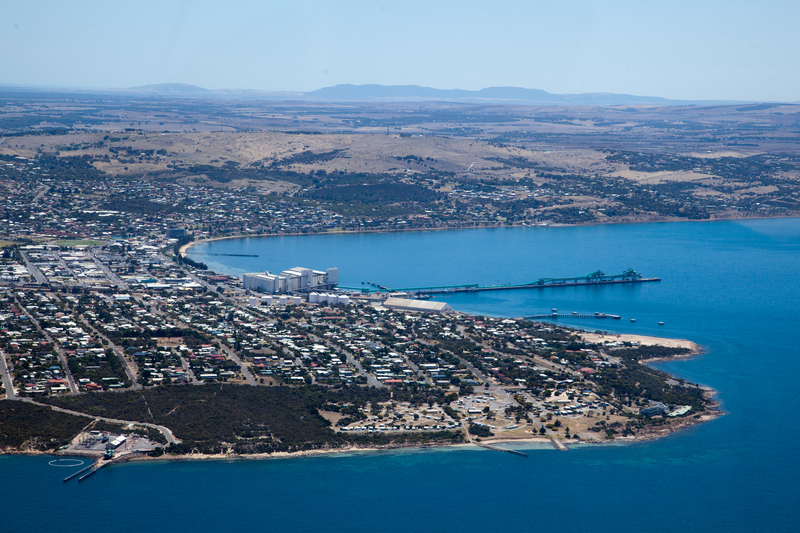
In March 1842, Elizabeth Stubbs and a man named Biddle were killed at a remote pastoral station near Port Lincoln, South Australia. The killings came amid a period of violent conflict between colonists and local people in the region. The man later convicted of the murder of Stubbs had also been involved in an armed raid on a neighbouring station, where a group drove off the owner under threat of spears and clubs before taking goods and dispersing into the scrub.

Convicted at the Criminal Sessions, he was hanged on a drop erected at the entrance to Adelaide Gaol on 1 August 1843, at the age of around 25. Mounted police under Captain Tolmer kept the ground. In the days before his death he received the attention of German missionaries, one of whom remained with him until the final preparations. A colonial account noted he showed no outward fear, with observers recording a belief that death by hanging would bring him reborn into a new life.


Hanged Outside <a href='https://darkstories.com.au/adelaide-true-crime-tour/' target='_blank' rel='noopener noreferrer'>Adelaide</a> Gaol for the Port Lincoln Station Murders of 1842

⬅ See all events from 1 August

Spread the word on your favourite platform!

1848: Augustus Dancey Hanged at Melbourne Gaol for the Murder of a Boy at Stony Creek

Augustus Dancey was hanged at Melbourne Gaol on 1 August 1848 for the murder of Matthew Lucke, a young boy, at Stony Creek. The case drew considerable public attention, and Dancey spent his final hours receiving the sacrament, joining the prison chaplain in hymns, and eating a hearty breakfast of beefsteak before calmly submitting to the pinioning of the executioner.

Despite repeated entreaties from the Reverend Mr. Thompson to confess his guilt, Dancey maintained his innocence to the last. Waking at midnight in his cell the night before his execution, he declared he was 'as innocent as the child unborn' of the crime for which he was to hang.

Augustus Dancey Hanged at Melbourne Gaol for the Murder of a Boy at Stony Creek

⬅ See all events from 1 August

Spread the word on your favourite platform!

1867: William Terry Hanged at Castlemaine for the Murder of Peter Reddick

William Henry Terry, known under a string of aliases including Hopkins, Williams, and Mitchell, was convicted at the Castlemaine Circuit Court before Chief Justice Sir William Stawell of the wilful murder of his mate Peter Reddick at the Coliban on 14 July 1862. The case rested on bones and other remains found at the scene, surveyed and mapped for the court. Terry had listened to the prosecution with apparent indifference throughout the trial.

On 31 July 1867, Terry was hanged at Castlemaine Gaol before around 100 witnesses. The execution was badly botched: too thick a rope and an improperly adjusted noose left him convulsing for eleven minutes, with the hangman pressing down on his shoulders to hasten death. Standing on the scaffold, Terry forgave those he blamed for his conviction, naming two detectives, Hockey and his daughter, and a man called Dring, accusing them of perjury.

Terry made no confession of the murder itself, though he had told the attending Wesleyan minister that he deserved to die for his many crimes.

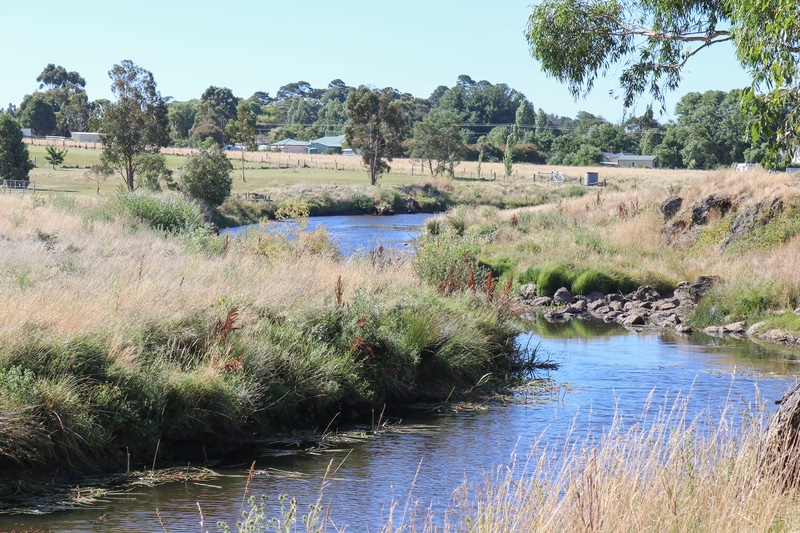
Coliban River
Coliban River

⬅ See all events from 31 July

Spread the word on your favourite platform!

1910: Dr Crippen Captured at Sea, the First Fugitive Caught by Wireless Telegraph

American homeopath Hawley Harvey Crippen became one of history's most notorious wife-murderers when his second wife, Cora, vanished after a dinner party at their home in Holloway, London, on the night of 31 January 1910. Crippen claimed she had returned to the United States and later died there, but Scotland Yard grew suspicious when his mistress, Ethel Le Neve, was seen openly wearing Cora's jewellery. When police dug up the cellar at 39 Hilldrop Crescent, they found human remains.

Crippen and Le Neve fled aboard the SS Montrose bound for Canada. The ship's captain, recognising the fugitives, used the newly available wireless telegraph to alert Scotland Yard. Chief Inspector Walter Dew boarded a faster ship, intercepted the Montrose, and arrested Crippen mid-Atlantic on 31 July 1910, making him the first criminal in history captured with the aid of wireless telegraphy. Crippen was returned to London, tried at the Old Bailey, convicted of murder, and hanged at Pentonville Prison on 23 November 1910.

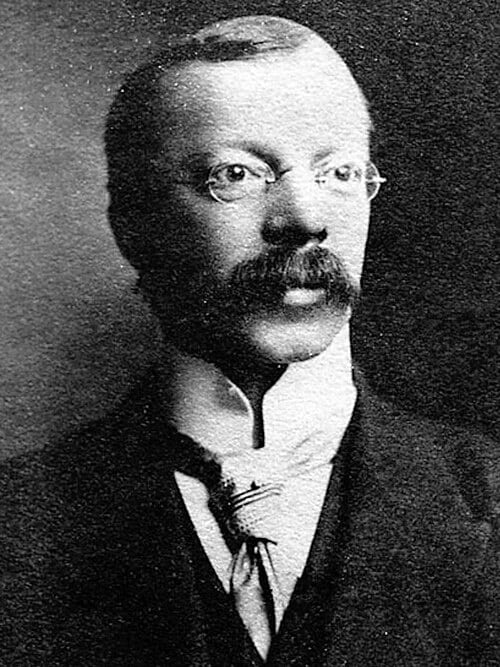
Portrait of Dr Crippen early 1900s suspect in murder case

⬅ See all events from 31 July

Spread the word on your favourite platform!
On This Day in True Crime History

Subscribe to Dark Stories

True crime stories, dark history and tour news, straight to your inbox.