1911: The Mona Lisa Stolen from the Louvre by a Museum Employee

In the early hours of 21 August 1911, Vincenzo Peruggia, an Italian handyman who had worked at the Louvre, hid inside the museum overnight, lifted Leonardo da Vinci’s Mona Lisa from the wall, concealed it under his coat, and walked out. The theft went unnoticed for nearly 24 hours. The empty hooks on the wall were initially assumed to mean the painting had been taken for photography.

Peruggia kept the masterpiece hidden in his Paris apartment for over two years before attempting to sell it to an art dealer in Florence. He was arrested in December 1913, and the painting was recovered intact. Peruggia claimed he had acted out of Italian patriotism, believing the work had been stolen by Napoleon and deserved to be returned to Italy. He served just seven months in prison.
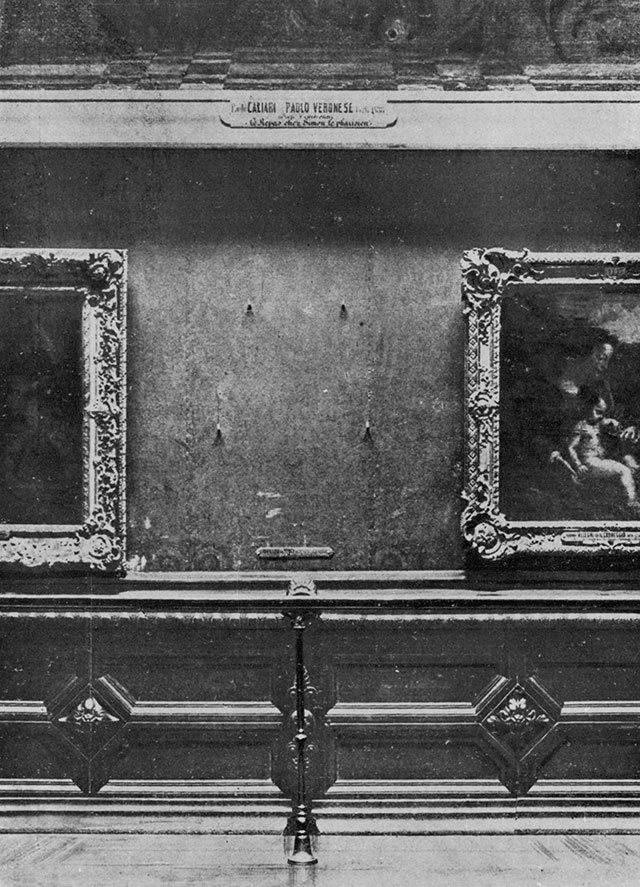

Empty gallery wall after Mona Lisa theft 1911

⬅ See all events from 21 August

Spread the word on your favourite platform!

1546: Scholar and Printer Etienne Dolet Hanged and Burned for Heresy in Paris

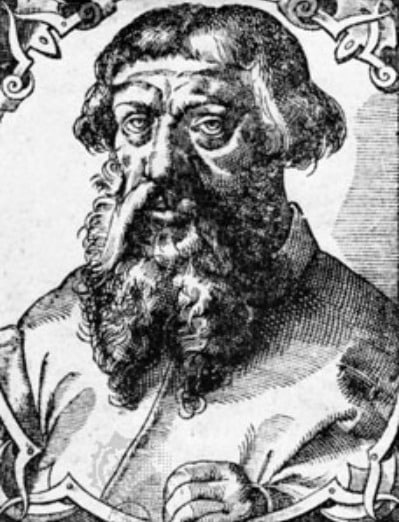
Etienne Dolet, born in Orleans in 1509, was a French scholar, translator and printer whose humanist convictions put him on a collision course with the French Inquisition. Educated at Padua and Toulouse, he built a reputation as a gifted orator and a defiant critic of religious orthodoxy. His publications in Lyon drew the close attention of inquisitorial authorities, and after several periods of imprisonment, the combined forces of the parlement of Paris, the Inquisition, and the Sorbonne secured his conviction for heresy, blasphemy and sedition.

On 3 August 1546, his 37th birthday, Dolet was hanged and burned alongside his books on the Place Maubert in Paris. He is remembered today as a martyr for freedom of speech and freedom of the press.

16th century engraving portrait of Etienne Dolet

⬅ See all events from 3 August

Spread the word on your favourite platform!

1589: Monk Jacques Clement Stabs King Henry III to Death in Saint-Cloud

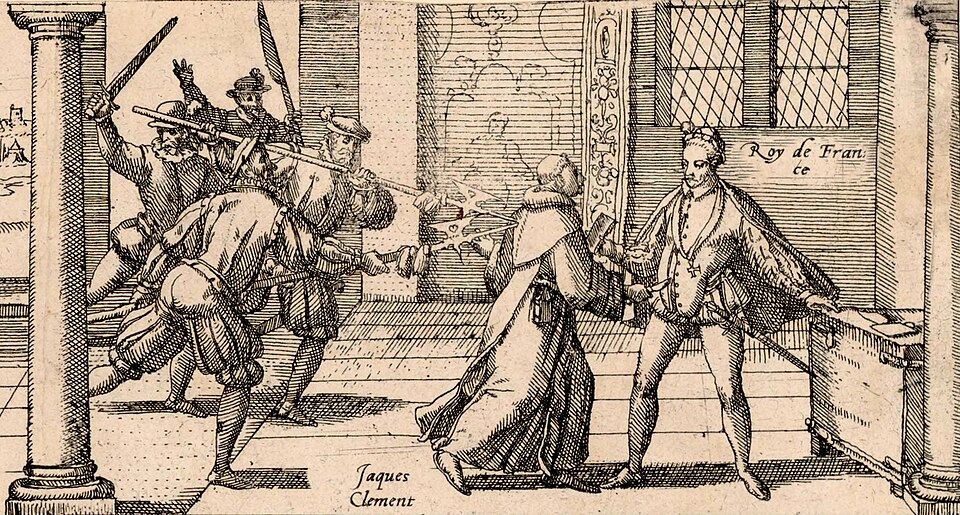
On 1 August 1589, Jacques Clement, a Dominican lay brother and zealous supporter of the Catholic League, gained an audience with King Henry III at Saint-Cloud, where the king was besieging Paris during the French Wars of Religion. Concealing a dagger beneath his cloak, Clement stabbed the king under the pretence of delivering a confidential message. The royal attendants cut Clement down immediately, but Henry III lingered until the following morning, dying after urging Henri of Navarre that conversion to Catholicism was the only path to lasting peace.

Clement, born in 1567 at Serbonnes in Burgundy, had been radicalised by League ideology and the targeted killings of its leaders, the Duke and Cardinal de Guise. His plot had the quiet blessing of Catherine de Guise, Duchess Montpensier, who saw it as righteous vengeance. The League faithful hailed him as a martyr; Royalists and Protestants condemned him as a fanatic. His corpse was posthumously quartered and burned.

Portrait of Jacques Clement assassin of King Henry III

⬅ See all events from 1 August

Spread the word on your favourite platform!

1794: The Fall of Robespierre: The Architect of the Terror Meets the Guillotine

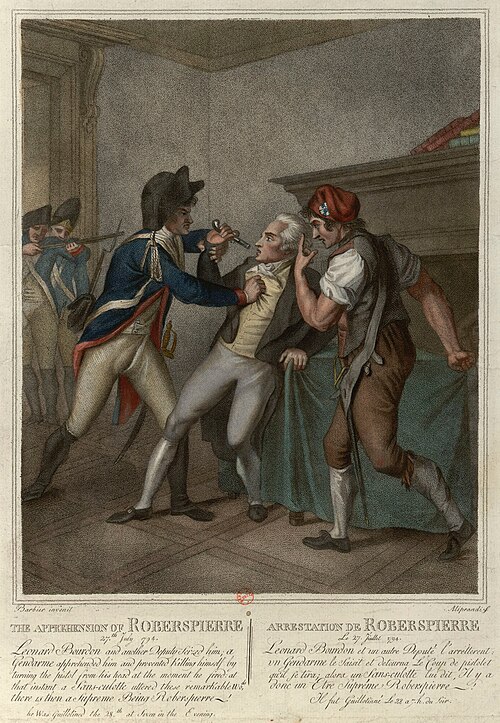
Maximilien Robespierre, the lawyer turned revolutionary who came to embody the ruthless machinery of the French Revolution, was executed by guillotine in Paris on 28 July 1794. As the dominant force on the Committee of Public Safety, he had overseen the Reign of Terror, a period in which thousands were sent to the blade in the name of republican virtue. His own arrest, the day before, had come swiftly after the National Convention turned against him.

The man who had signed so many death warrants met the same end he had prescribed for others. Wounded during his arrest, reportedly from a gunshot to the jaw, he was carried to the scaffold in agony. His execution marked the end of the Terror and the beginning of the Thermidorian Reaction, a conservative turn that dismantled much of what he had built.

Arrest of Robespierre during revolutionary unrest

⬅ See all events from 28 July

Spread the word on your favourite platform!
On This Day in True Crime History
1853·"I Would Finish You Now": Hanged in Melbourne for the Murder of His Mistress
1853·The Young Witness Testifies: Alexander Ram Hanged in Melbourne for Murdering Kitty Hennessy
1883·Hanged in Perth, Each Still Blaming the Other to the End
1885·Hanged in Brisbane After a Feverish Stockman Shot the Manager Who Denied Him Hospital
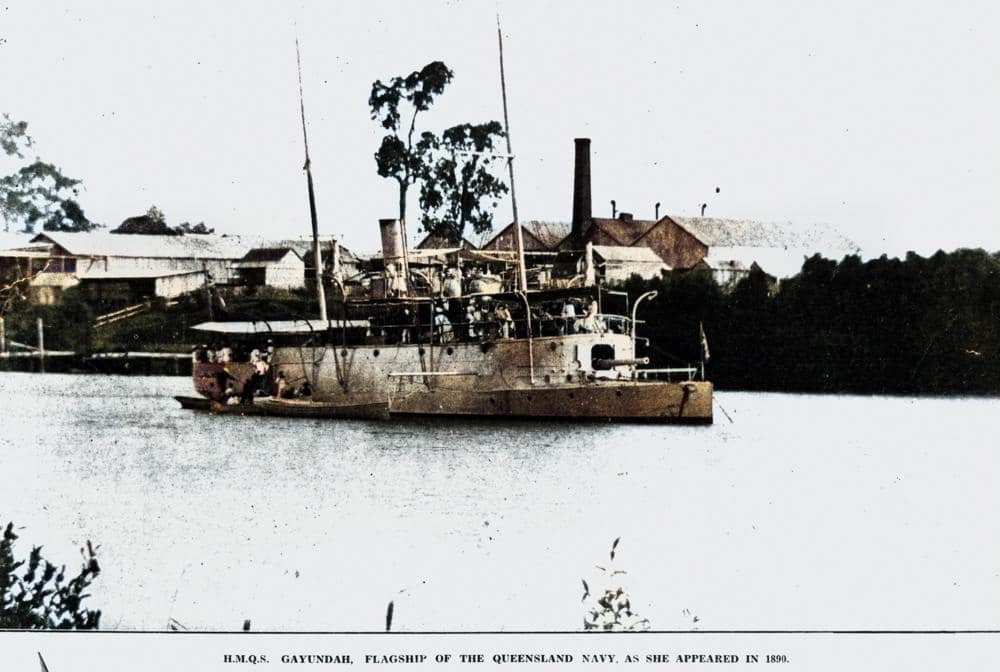
1888·Mutiny on the Brisbane River: the Captain Who Threatened to Turn His Guns on Parliament
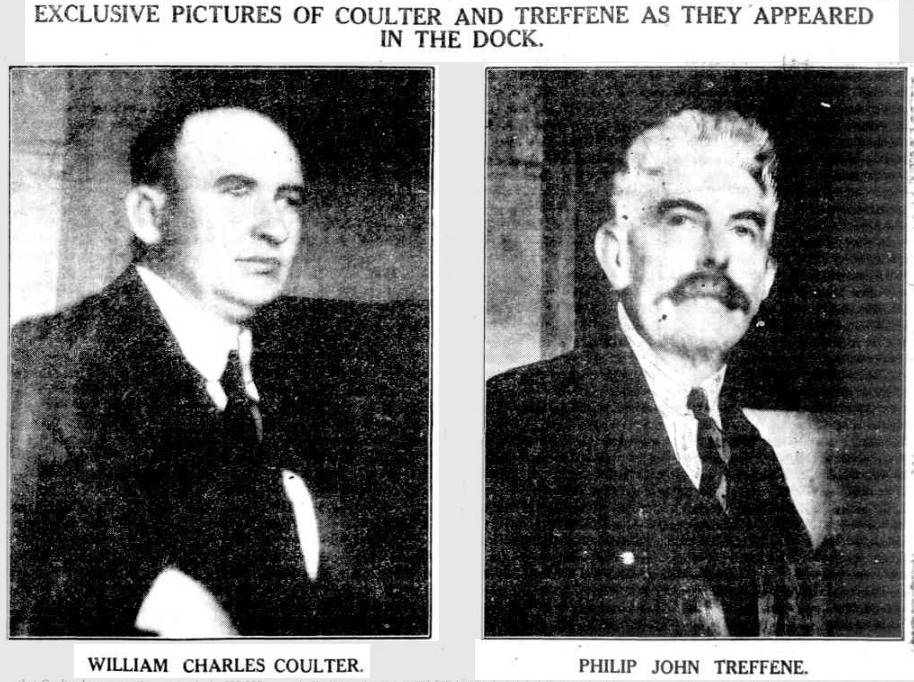
1926·The Gold He Took to His Grave: Two Men Hanged in Fremantle for Killing Two Police Officers
More Crime On This Day →

Subscribe to Dark Stories

True crime stories, dark history and tour news, straight to your inbox.