1854: Anxious to Get Home for Their Dinner: the Killer Who Taunted His Jury, Hanged at Melbourne Gaol

John Hughes told the jurors who convicted him that they were "shopkeepers tired of waiting, and anxious to get home for their dinner". They had taken ten minutes. Days later he was hanged behind Melbourne Gaol for the murder of Abraham Marcus, a traveller whose only mistake was chasing the men who stole his best horse.

In December 1852 Marcus was bound for the Ovens goldfields with his wife and nine-year-old son when their dray broke down at Yackandandah Creek. Four horsemen stopped, accepted a meal and even helped with the repairs. Hughes turned down four pounds for his tired horse and saddle, remarking that he would not go much further before he had another. When the riders had gone, so had the best of the Marcus horses, with the worn-out mount left in its place.

Marcus rode after them and seized the bridle. The gang kept him talking until a passing bullock dray was out of sight, then drew pistols, marched him into the bush and tied him to a tree, where he was later found dead. His whole party recognised the rope: it had hung around the neck of the horse Hughes rode. That same evening, by his own later account, the gang robbed a young Sydney man named Stone on his way home from the diggings; he broke free, was run down and killed, and his body was sunk in a creek, weighted with stones and a saddle.

A reward of 200 pounds was offered, but it was 1854 before the widow picked Hughes out of a line of 21 identically dressed prisoners in the yard of Darlinghurst Gaol. He made a long confession naming three accomplices, then asked to be sent to Melbourne quickly, since enough had been proved to hang him. At trial he called the jurors "new chums", to laughter from the gallery. The judge replied that an innocent man would never have dared to browbeat a jury so, and that the clear evidence of the dead man's young son had settled the matter.

From the dock Hughes withdrew his confession as false and swore the men he had named were innocent too: "I now say, and will on the day of my death, that I am an innocent man." He went to the scaffold pale but composed, and made no further revelations.
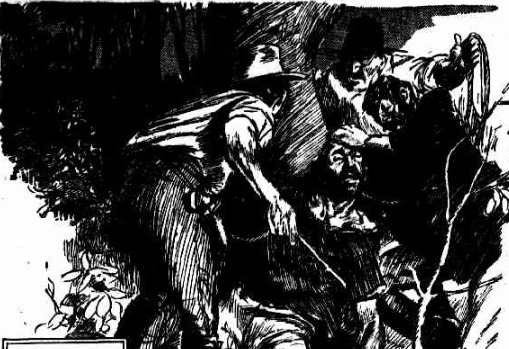

Killer hung by his own rope.

⬅ See all events from 25 September

Spread the word on your favourite platform!

1852: The Last Public Hanging in NSW: Francis Thomas Green Executed at Darlinghurst Gaol

Francis Thomas Green was hanged at Darlinghurst Gaol on 21 September 1852 for the murder of John Jones at Buckley's Creek on 10 March that year, shot dead with a pistol. The execution holds a grim distinction: it was the last public hanging carried out in New South Wales.

The morning of the execution broke dark and drizzling, yet the crowd was of the usual size, with women reportedly outnumbering men by nearly three to one. A carriage carrying women described by the press as being of "respectable exterior" was drawn up directly in front of the gallows, its occupants showing what one newspaper called a "disgusting eagerness" to secure the best view, while mothers nursed infants and children ran boisterously among the onlookers.

Green's wife visited him for a final farewell the day before his death, the only moment he was seen to show real emotion. He spent his last night in prayer with a Roman Catholic priest, having initially refused all ministers before requesting Catholic clergy in his final days.

Green made a partial admission to a gaol official before his death, saying that Jones had fallen by his hand "in the heat of a sudden quarrel".

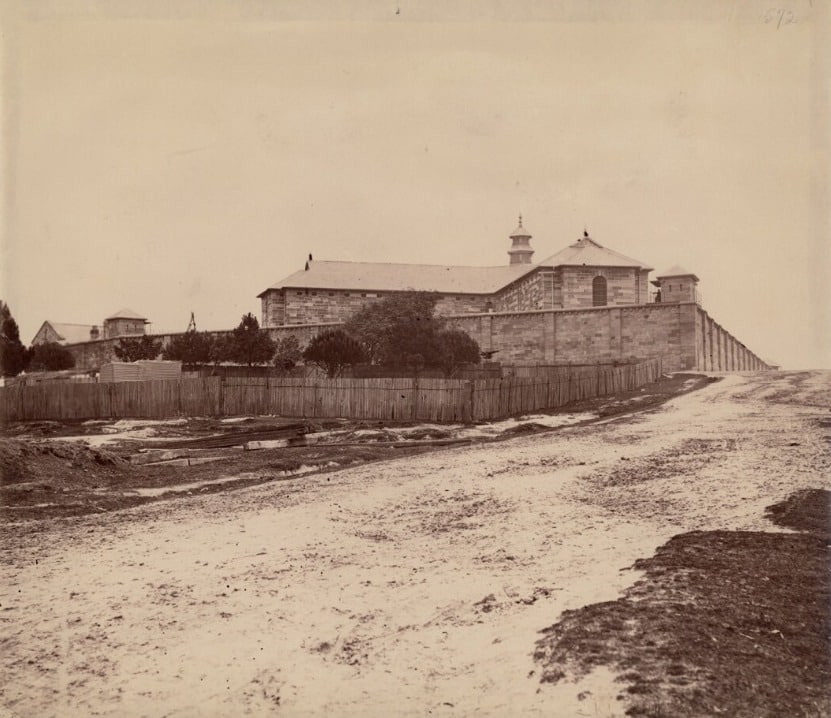
Darlinghurst Gaol northeast corner view from Burton Street 1870

⬅ See all events from 21 September

Spread the word on your favourite platform!

1851: Too Many Escapes: Maitland Gaoler Dismissed, Replaced by a Darlinghurst Turnkey

Just three years after Maitland Gaol had officially opened its gates in 1848, its first gaoler, James Cox, was sacked. So many prisoners had slipped out under his watch that on 10 September 1851 the authorities removed him from the post entirely.

His replacement was John Wallace, formerly principal turnkey at Darlinghurst Gaol in Sydney, who took over as gaoler at Maitland. His wife, Mrs Wallace, was installed alongside him as the gaol's matron, a husband and wife team brought in to tighten a prison that had already earned a reputation for losing its inmates.

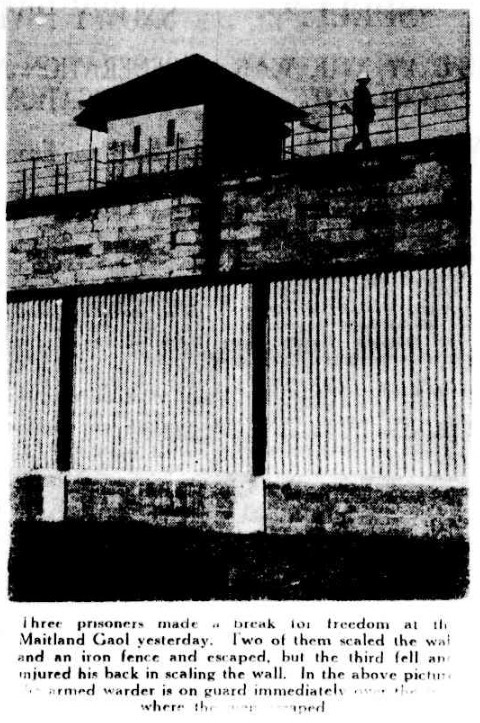
Warder guards wall after prisoner escape attempt at Maitland Gaol 1940

⬅ See all events from 10 September

Spread the word on your favourite platform!

1934: The Pyjama Girl: A Body in a Culvert and a Mystery That Lasted Decades

On 1 September 1934, the body of a woman with a bullet through the neck was found in a culvert beneath near Albury, New South Wales.

Dressed in silk pyjamas, she remained unidentified for a decade, preserved in formalin and viewed by thousands before police named her as Florence Linda Agostini, an English-born woman who had lived on Darlinghurst Road in Kings Cross and later moved to Melbourne with her husband Tony Agostini.

Tony Agostini confessed to killing Linda and was convicted of manslaughter, sentenced to six years. He served just over three years before being deported to Italy.

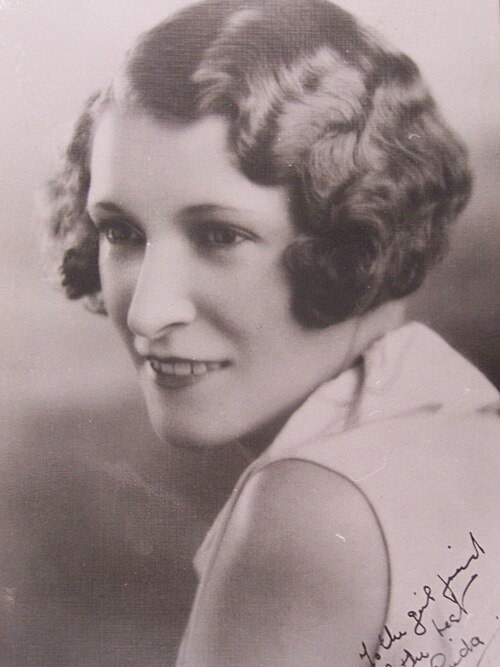
Photograph of Linda Agostini(Linda Platt) - Pyjama Girl Mystery

⬅ See all events from 1 September

Spread the word on your favourite platform!
On This Day in True Crime History

Subscribe to Dark Stories

True crime stories, dark history and tour news, straight to your inbox.