1861: Without Seeking Permission: the Settler Camp Behind the Cullin-la-Ringo Massacre

In October 1861 the politician Horatio Wills led an enormous settler train, more than 10,000 sheep and a line of bullock wagons, onto Gayiri land in Central Queensland to establish a cattle station at Cullin-la-ringo, without seeking permission from the people whose country it was. Tensions were already high: a neighbouring squatter had wrongly accused Gayiri men of stealing cattle and had several killed over it.

On 17 October, Aboriginal people who had been passing through the camp all day attacked, killing nineteen of the twenty-five settlers present, including Wills himself. Only a handful escaped, among them his teenage son Tom Wills, later a celebrated cricketer and co-founder of Australian rules football.


The arrival of the neighbouring squatters and Mon collecting and burying the dead. By T.G.Moyle: 1861

⬅ See all events from 17 October

Spread the word on your favourite platform!

1769: Kidnappers Bay: Captain Cook Names a New Zealand Inlet After a Botched Abduction

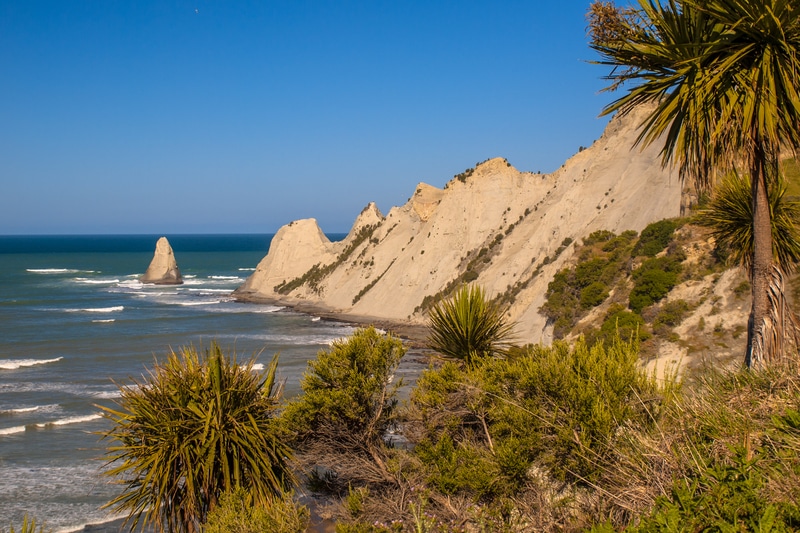
On 15 October 1769, during his first voyage along the coast of New Zealand, Lieutenant James Cook watched a group of Maori men attempt to seize a servant from his landing party and haul him away in a canoe. The attempt failed and the servant was recovered, but Cook marked the spot on his chart with a name that stuck: Kidnappers Bay.

According to the Maori version of events recorded at the time, the men believed they were not abducting a stranger at all, but rescuing a Maori boy they thought was being held captive aboard the English ship. The misunderstanding, born of two cultures reading the same scene in entirely different ways, turned a rescue attempt into what the English recorded as a kidnapping.

Cape Kidnappers View

⬅ See all events from 15 October

Spread the word on your favourite platform!

1860: A Mercy Petition Backed by the Bishop of Adelaide Could Not Save a Man From the Gallows

John Jones, a hutkeeper on a station near Mount Joy in South Australia’s remote Eyre Peninsula, was found dead in his hut in May 1860, his skull broken and the hut stripped of flour, tea and clothing. The accused was convicted at the Supreme Court in Adelaide largely on the testimony of a young companion who admitted taking part in the killing himself.

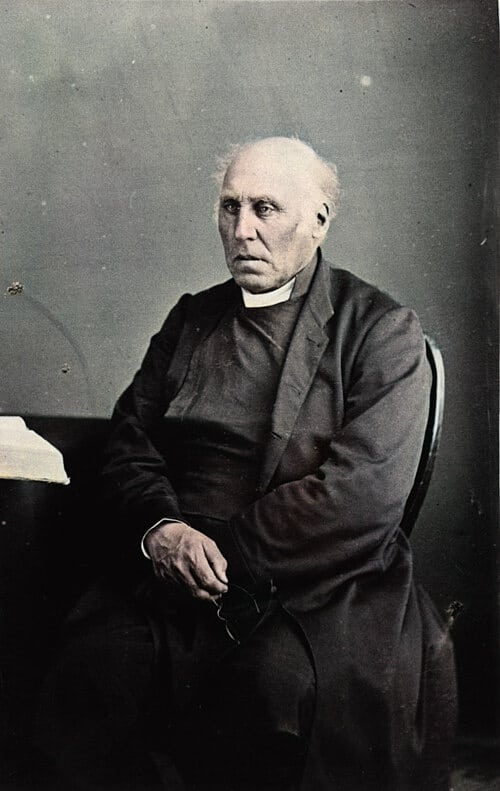
Before the execution, around 400 citizens, headed by the Lord Bishop of Adelaide, signed a memorial asking the government to remit the death sentence. He had been tried and condemned under British law newly imposed on his people, with little understanding of its workings; the petition failed regardless. He was taken back across the Eyre Peninsula and hanged at Streaky Bay on 5 October 1860, near the district where the killing had occurred

Portrait of Augustus Short

⬅ See all events from 5 October

Spread the word on your favourite platform!

1630: A Mayflower Pilgrim Becomes the First Man Hanged in the New World Colonies

John Billington had been a troublemaker since the Mayflower crossing, defying Myles Standish and drawing accusations in a colony revolt, always insisting he was innocent. In 1630 a long feud over land boundaries turned fatal when he ambushed and shot fellow colonist John Newcomen, reportedly after catching him robbing his traps.

A grand and petty jury found Billington guilty of willful murder. Governor William Bradford, wary of setting a precedent, consulted the leaders of the neighbouring Massachusetts Bay Colony, who agreed the killing had to be answered to purge the land from blood. Billington was hanged on 30 September 1630, becoming the first person executed in Plymouth Colony. His burial place was never recorded.

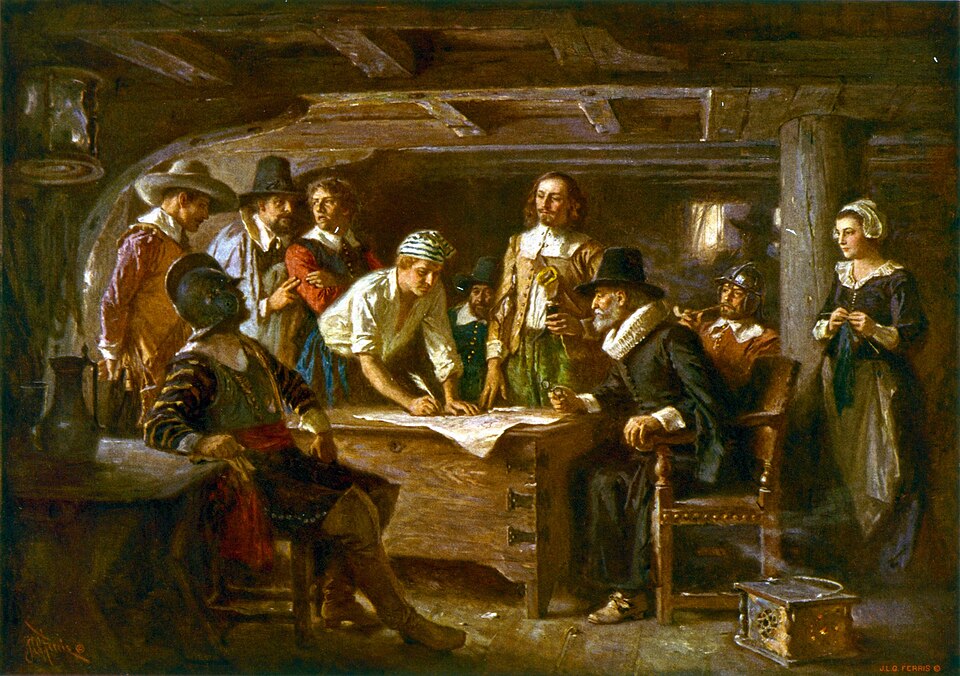
Mayflower Compact 1620 handwritten agreement document

⬅ See all events from 30 September

Spread the word on your favourite platform!
On This Day in True Crime History

Subscribe to Dark Stories

True crime stories, dark history and tour news, straight to your inbox.