1923: The Spooks Scandal: Police Walked Off the Job and Melbourne Descended Into Looting

Half the police force in Melbourne walked off the job over a secret supervisory system that monitored beat officers using men drawn from their own ranks, derisively nicknamed "spooks". Hundreds of constables, many of them returned servicemen, refused duty rather than work under informants planted among their colleagues, and the government offered no guarantee against victimisation.

With the city effectively unpoliced, crowds poured out of Flinders Street station on the nights of 2 and 3 November 1923 and surged up Elizabeth and Swanston streets. Shop windows were smashed, stores stripped of merchandise, a tram overturned, and three people died in the chaos. The few police still on point duty were jeered and harassed until they retreated to the safety of the Town Hall.

Melbourne's papers rushed to blame the city's criminal underworld, but court records later told a different story: most of those arrested were ordinary young men and boys with no prior offences. Order was only restored when five thousand volunteer special constables, sworn in under the direction of Sir John Monash, took to the streets in armbands and badges to do the job the regular police had abandoned.
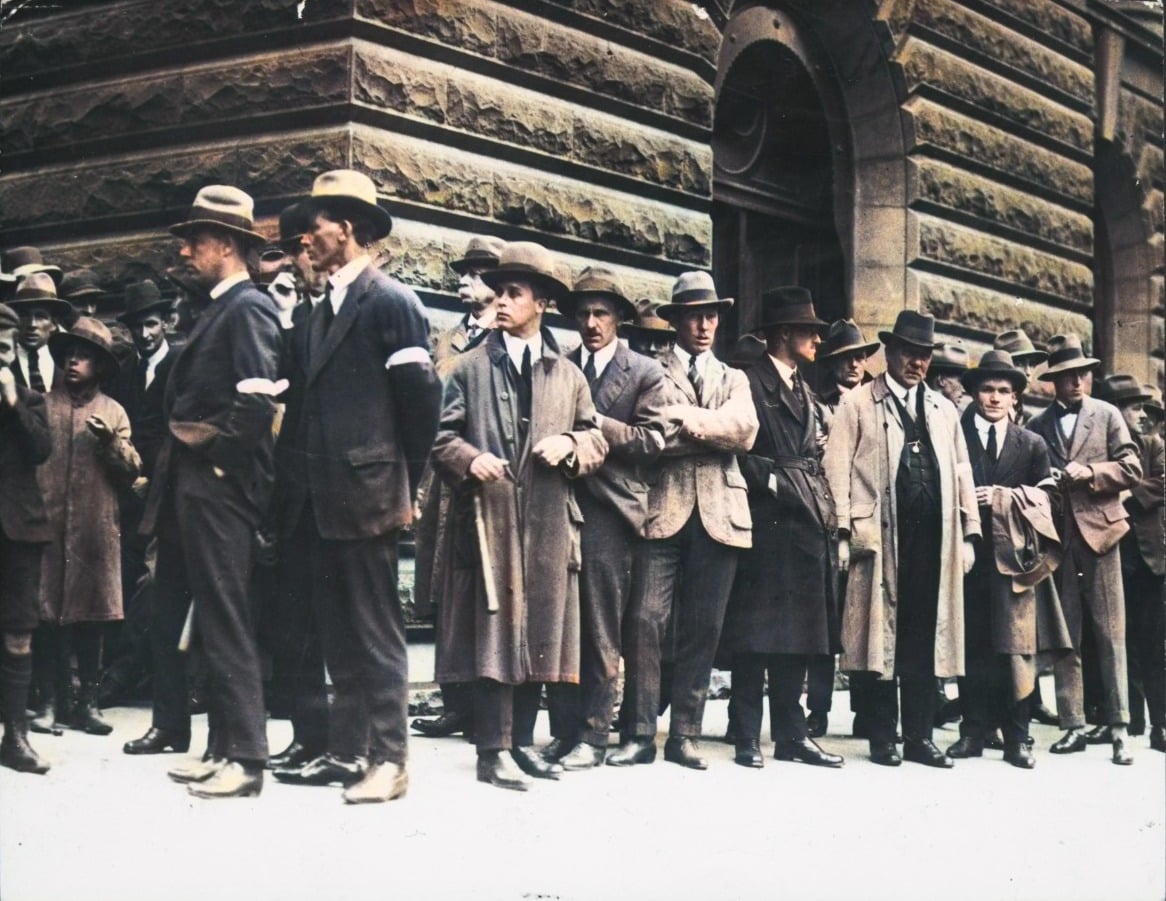

Melbourne Special Constables Volunteer during Police Strike: Herald and Weekly Times Ltd., 1923. State Library Vic, H2015.111/1

⬅ See all events from 2 November

Spread the word on your favourite platform!

1984: Indira Gandhi Assassinated by Her Own Bodyguards in New Delhi

Indira Gandhi walked through the garden of her official residence in New Delhi on the morning of 31 October 1984, heading to an interview, when two of her own bodyguards turned their weapons on her. Beant Singh and Satwant Singh, both Sikh members of her personal security detail, shot her repeatedly at close range. She died within hours.

The killing was revenge. Five months earlier, Gandhi had ordered the army into the Golden Temple in Amritsar, Sikhism's holiest site, to clear out militants sheltering inside; hundreds died in the operation, and many Sikhs saw it as a desecration. Beant Singh was shot dead by other guards moments after the attack; Satwant Singh was captured, tried and later hanged. In the days that followed, mobs across India killed thousands of Sikhs in revenge riots that the assassination had set in motion.

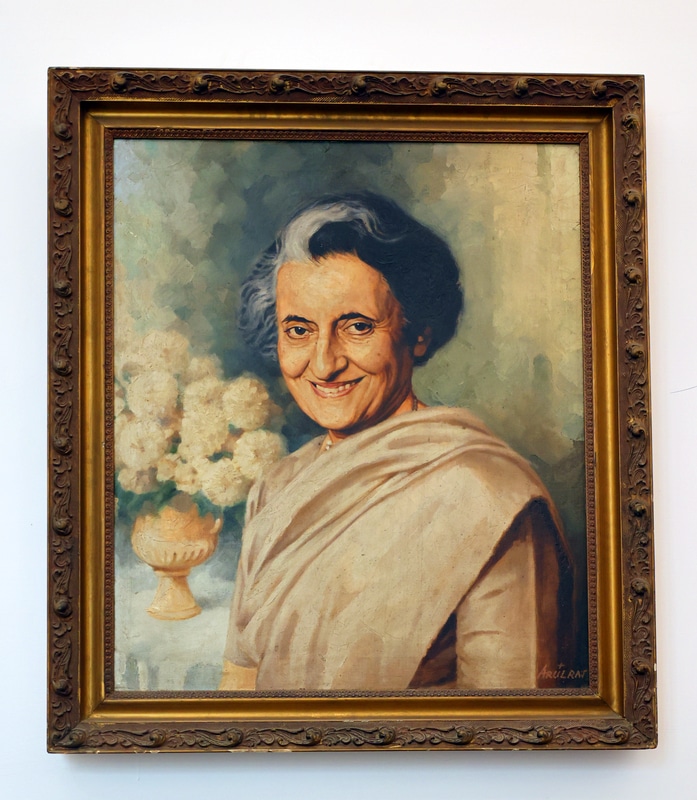
DELHI INDIA 02 12 2023: Indira Gandhi painting was an Indian politician and stateswoman who served as the third prime minister of India from 1966 to 1977 and from 1980 until her assassination in 1984. | ID 276554060 © Meunierd | Dreamstime.com
ID 276554060 © Meunierd | Dreamstime.com

⬅ See all events from 31 October

Spread the word on your favourite platform!

1854: An Acquittal Sparks a Riot: Ten Thousand Miners Burn the Eureka Hotel at Ballarat

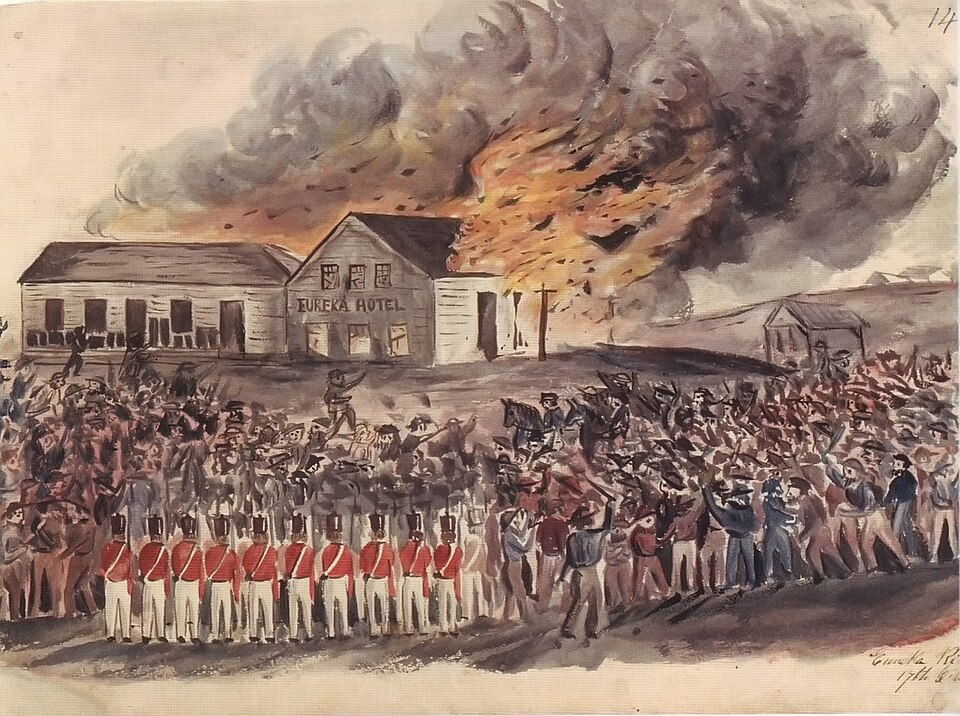
When the men accused of killing miner James Scobie walked free, the goldfields of Ballarat erupted. Roughly ten thousand miners massed near the Eureka Hotel, the pub where Scobie had been beaten to death, convinced the verdict was a stitch-up between the publican and the authorities.

The crowd set the hotel ablaze and turned on the officials sent to calm them: Gold Commissioner Rede was pelted with eggs as police and soldiers failed to restore order. The riot was a direct spark for the unrest that would culminate weeks later in the Eureka Stockade, one of the defining clashes of Australian colonial history.

Burning of Bentleys Hotel during the Eureka Riot 1854

⬅ See all events from 17 October

Spread the word on your favourite platform!

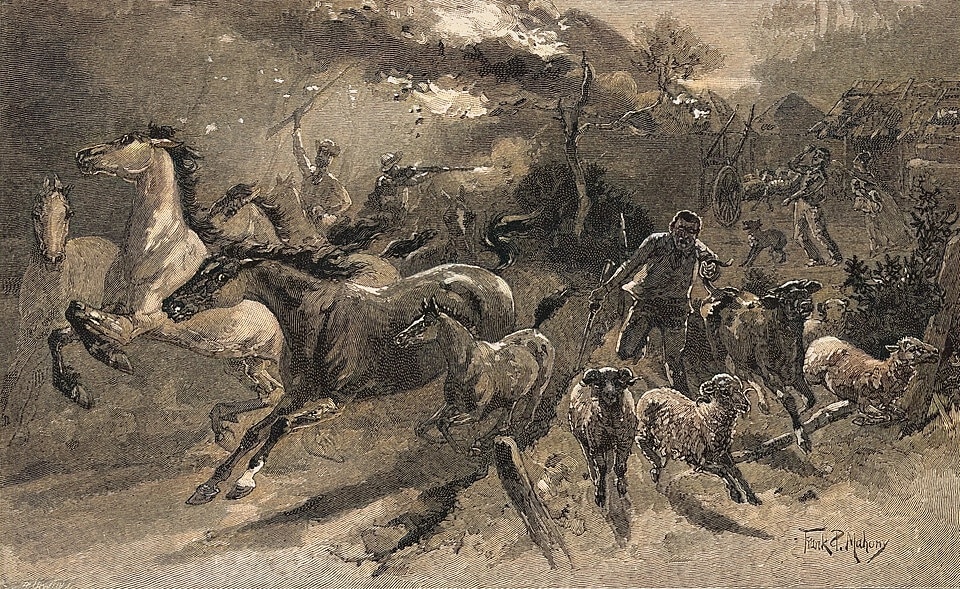
1846: Over Confiscated Kettles: Twelve Hanged on Norfolk Island After a Convict Mutiny

The trouble began with cooking pots. When the commandant of the Norfolk Island penal settlement ordered all private kettles and saucepans confiscated in June 1846, tightening an already brutal regime, convicts erupted in fury the next morning. A mob armed with axes and wooden billets killed a convict constable at the lumber-yard gate, beat an overseer to death with a carving fork and billets, then struck down two more sleeping constables before soldiers finally restored order.

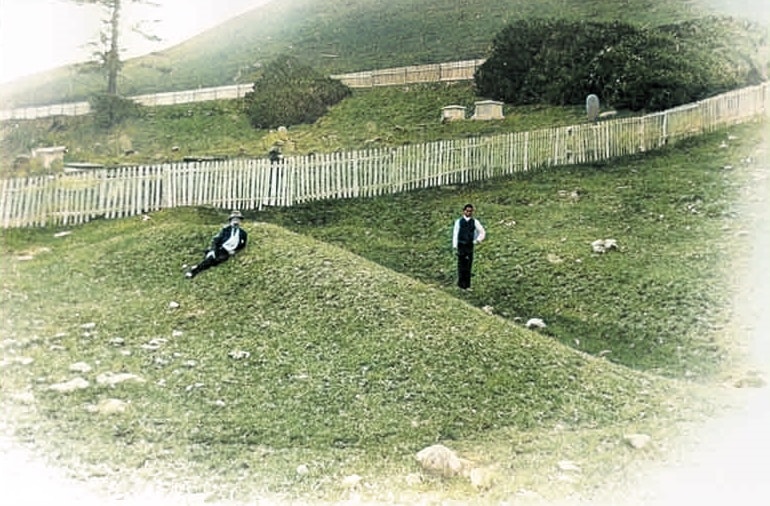
Fourteen men were tried months later before a military jury; twelve were convicted and hanged in two batches of six on the same morning in October 1846, their bodies buried outside consecrated ground in a spot still known as Murderers' Mound. A thirteenth man was hanged six days after for the same overseer's killing.

Before his execution, the ringleader declared that four of the twelve condemned men were innocent, insisting he had not even spoken to one of them on the morning of the riot and that the others had played no part in the killings, but it was to no avail.

Murderers mound on Norfolk Island circa 1900

⬅ See all events from 13 October

Spread the word on your favourite platform!
On This Day in True Crime History

Subscribe to Dark Stories

True crime stories, dark history and tour news, straight to your inbox.