1806: A Sydney Shepherd Hanged for Tar-Marking His Master’s Sheep to Sell Them as His Own

William Organ was a shepherd in the service of the wealthy Sydney grazier John Palmer, trusted to drive his master’s flock in from Hawkesbury. Along the way he peeled off nine sheep, daubed tar on their heads to disguise them, and tried to sell them to a local man named Chears for 20 shillings, claiming they were his own.

The scheme unravelled when a fellow shepherd spotted the tar-marked sheep rejoining the flock and recalled Organ’s story that they belonged to Chears but had simply strayed. Tried before the Court of Criminal Jurisdiction, Organ was convicted; the judge also condemned Chears for knowingly dealing with a man of doubtful character rather than reporting him. Organ was hanged in Sydney on 11 October 1806.
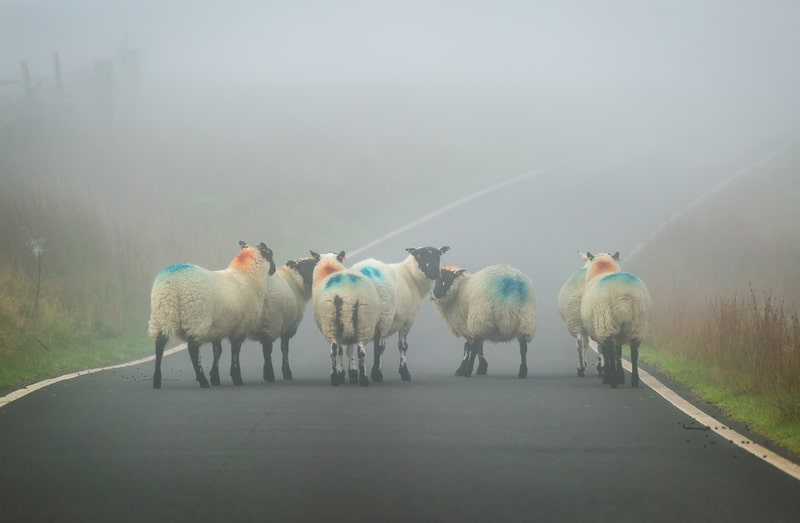

Sheep on a foggy mountain road in the Brecon Beacons

⬅ See all events from 11 October

Spread the word on your favourite platform!

1891: The Mace, the Madam, and a Melbourne Scandal That Never Died

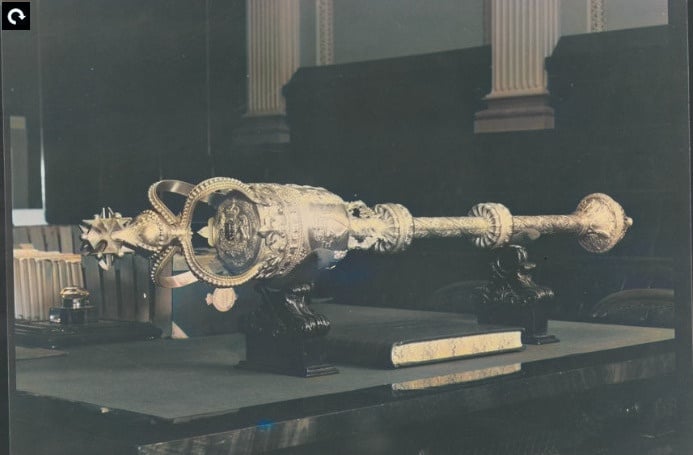
In the early hours of 9 October 1891, the ceremonial mace vanished from Parliament House in Melbourne, the silver-plated symbol of the speaker’s authority gone from a locked case. A parliamentary engineer was seen that same day running from the building with a parcel the right size and shape to be the mace; he told police it was firewood, and with no proof against him the investigation stalled.

Thirteen months later newspapers claimed the mace had turned up in the parlour of a notorious madam who catered to visiting members of parliament, a story so delicious it triggered a formal Board of Inquiry. The board cleared the brothel but settled nothing else, and popular rumour simply shifted the blame onto the new Speaker, Thomas Bent, despite his having taken office only after the theft. The mace was never seen again, and whether it was a burglary or a parliamentary prank gone wrong remains Melbourne’s favourite unsolved mystery.

Parliamentry Mace Stolen: Credit: Public Record Office Victoria, VPRS 14517/P0001/39, O884.

⬅ See all events from 9 October

Spread the word on your favourite platform!

1826: Nine Hanged in a Single Day at Hobart, All for Sheep Stealing and Burglary

On September 18, 1826, nine convicts went to the gallows together in Hobart under Lieutenant-Governor George Arthur’s ruthless enforcement of Britain’s Bloody Code, the doctrine that made property crime a capital offence equal to murder. Not one of the nine had killed anyone: George Farquharson, Robert Cable, Thomas Savell, John Davis and John Cruitt were hanged for sheep stealing, John Penson, Timothy Swinscow and William Wickens for burglary, and James Rowles for theft.

The hangings were part of the largest cluster of executions recorded in Van Diemen’s Land that year, twenty three people put to death over a single fortnight in mid September 1826. Earlier hangings that month, on September 13, had targeted actual killers; those on September 15 and 18 were reserved entirely for non-violent property offenders, a deliberate signal from Arthur to a colony economically dependent on settler flocks and stores.

Sheep stealing in particular was treated by the colonial administration as an existential threat to the fledgling economy of the penal settlement, and the September 18 executions were designed as a public deterrent to convicts tempted to raid the herds and homes of free settlers.

1826 in the Hobart Colony

⬅ See all events from 18 September

Spread the word on your favourite platform!

1826: Property Crimes, Not Murder: Seven Men Hanged in Hobart in a Single Morning

On 15 September 1826, seven convicts, George Brace, John McFarlane, James Edwards, Thomas Balfour, John Dadd, John Clark and Patrick Brown, were hanged together in Hobart, the second of three mass executions carried out that month under Chief Justice John Pedder.

Unlike the seven hanged just two days earlier for murder, not one of this group had killed anyone. Balfour, McFarlane and Edwards went to the gallows for absconding into the bush and robbing settler William Holdship; Brace was hanged for robbery, Dadd and Clark for burglary in Ross, and Brown for stealing sheep, a crime that under Britain’s Bloody Code carried the same legal weight as taking a human life.

The scale of the executions reflected both the severity of imported English law and Governor George Arthur’s determined push to impose discipline on the penal colony. Rather than hang prisoners as they were convicted, the Supreme Court held sentences over and carried them out in batches: seven men on 13 September, seven more on the 15th, and a further nine on the 18th, accounting for nearly half of the 53 executions recorded in Van Diemen’s Land that year.

1826 in the Hobart Colony

⬅ See all events from 15 September

Spread the word on your favourite platform!
On This Day in True Crime History
1794·The First Free Settler Murdered in the Colony: Hanged at Sydney for a Parramatta Stabbing
1826·The Gun That Misfired Twice: Three Bushrangers Hanged Outside Sydney
1873·A Tearful Confession in Custody Cracked the Case: Two Men Hanged at Perth Gaol for Eating their Victim
1889·He Called It an Accident. The Jury Called It Murder: Robert Landells Hanged at Melbourne Gaol
1907·A Doctor Fooled Twice: Martha Rendell and the Second Child to Die of Diphtheria
2002·Shot Dead in His Own Bed: A Melbourne Gangland Killing Blamed on a Friend
More Crime On This Day →

Subscribe to Dark Stories

True crime stories, dark history and tour news, straight to your inbox.