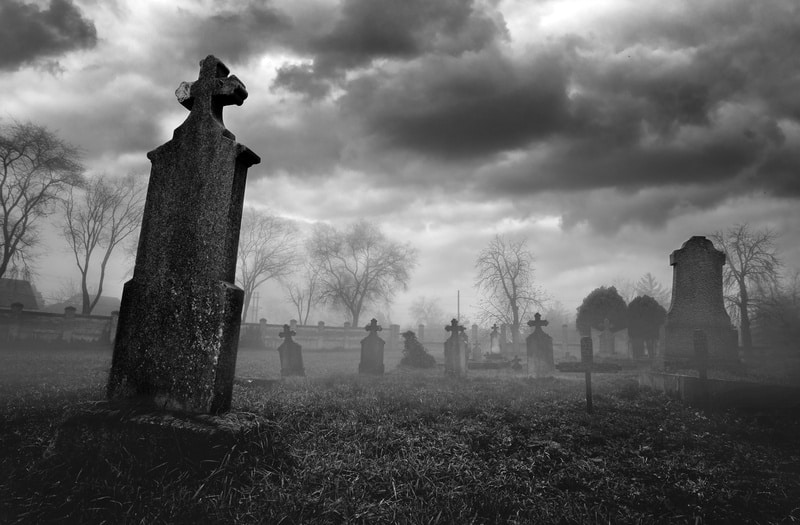
1721: The Housebreaker Who Could Not Stay Away: Hanged at Tyburn for Returning from Transportation

John Meff was a housebreaker who had already cheated the gallows once, having been convicted and then transported to the colonies rather than executed. But transportation was meant to be permanent exile, and Meff broke its terms by making his way back to England, a crime that under the law of the day carried the same penalty as the original offence: death.

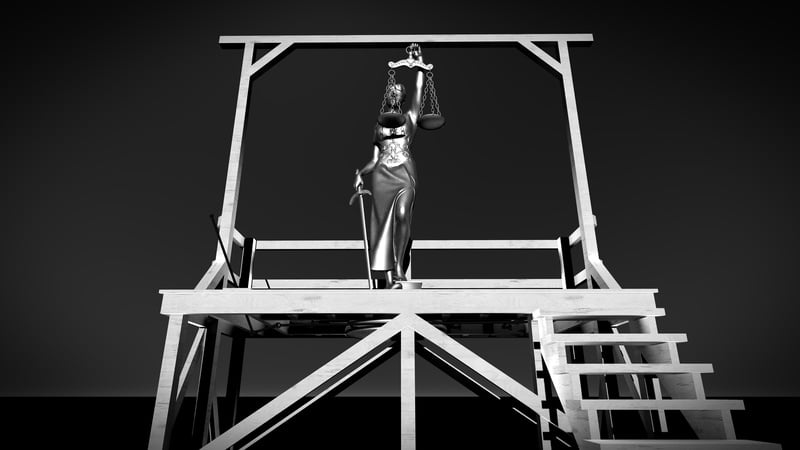
He was arrested, tried, and sentenced to hang for illegally returning from transportation. On 11 September 1721 he was taken to Tyburn and executed at the age of forty, going to the gallows alongside James Redding, who had been condemned separately for robbery.

For Meff the return to Tyburn marked the end of a second chance he could not keep: having once escaped the noose through transportation, the simple act of coming home proved fatal.


Life of John Meff_featured

⬅ See all events from 11 September

Spread the word on your favourite platform!
True Crime Scene Tape

1863: The Escape-Proof Prison That Wasn’t: Captain Thunderbolt Breaks Out of Cockatoo Island

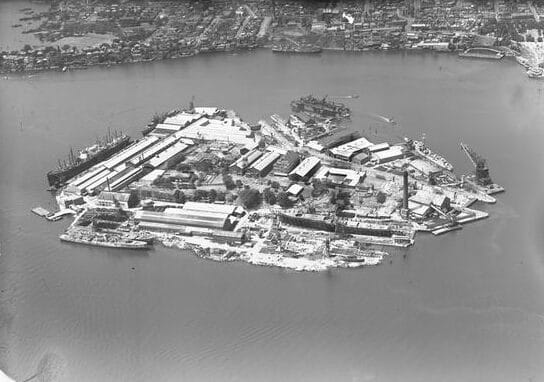
Frederick Wordsworth Ward, the bushranger known as Captain Thunderbolt, was serving time on Sydney‘s Cockatoo Island, a prison ringed by harbour currents and sheer sandstone cliffs and widely declared impossible to escape. On the night of 11 September 1863, Ward slipped his cell and plunged into the water, swimming through the cold, shark infested harbour to the mainland shore.

The breakout humiliated colonial authorities and turned Ward into a folk figure almost overnight. He spent the next seven years roaming the bush of northern New South Wales, robbing coaches, inns and travellers as one of the colony’s most enduring and elusive bushrangers before he was finally shot dead by police near Uralla in 1870.

Cockatoo Island, Sydney, 1951. Photograph by Frank Hurley. National Library of Australia, PIC FH/7951. Out of copyright.

⬅ See all events from 11 September

Spread the word on your favourite platform!
True Crime Scene Tape

1897: The World’s First Drink-Driving Conviction, London 1897

Just before one in the morning on September 10, 1897, a taxi driver named George Smith lost control of his cab on New Bond Street, swerving across the road and crashing, smashing a water pipe and a front window. No one was hurt, cars of the era topped out at about 8mph, but Smith admitted to police that he had been drinking, and that confession was enough to convict him in what is recognised as the world’s first drink-driving case.

He was fined 20 shillings. There was no specific drunk-driving law to charge him under; the conviction rested entirely on his own admission, since officers otherwise had only their own snap judgement of a driver’s sobriety to go on. It would be almost a decade before any jurisdiction, enacted a dedicated drunk-driving law, and more than half a century before the breathalyser existed to test drivers objectively.

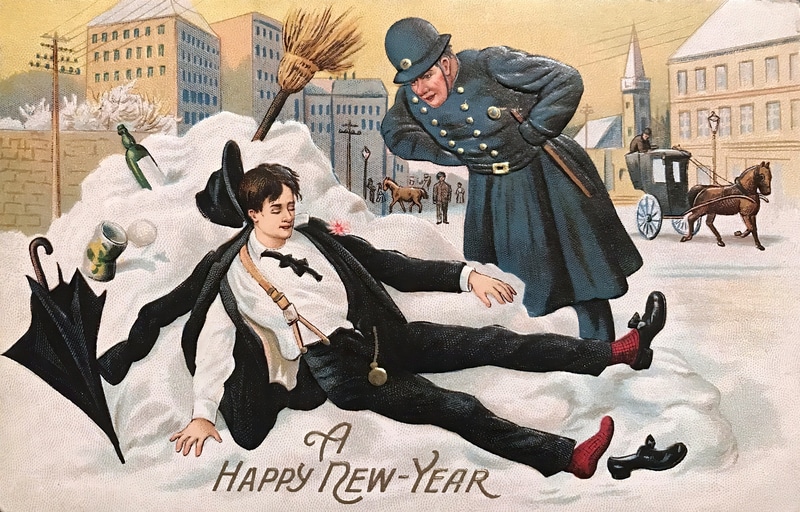
Humorous Vintage New Year Postcard: Policeman Discovers Man Asleep in Snow (circa 1900. A delightfully humorous and classic vintage postcard illustration from the early 20th century (circa 1900-1910s), perfectly capturing the aftermath of a lively New Year’s Eve celebration... The scene depicts a gentleman, dressed in a formal black suit with a white shirt, bow tie, and suspenders, comically sprawled out in a pristine snowdrift. His top hat is discarded nearby, his umbrella askew | ID 404164454 © Svetlana Gavrilyuk | Dreamstime.com
ID 404164454 © Svetlana Gavrilyuk | Dreamstime.com

⬅ See all events from 10 September

Spread the word on your favourite platform!
True Crime Scene Tape

1977: The Last Blade Falls: the Final Guillotine Execution in France

Hamida Djandoubi went to the guillotine in France on this day in 1977, the last person ever executed by the device and the last person executed in France at all. He had been convicted of the murder of 21-year-old Elisabeth Bousquet, a crime that closed out nearly two centuries of the guillotine’s use as the instrument of French justice.

His execution marked a quiet historical hinge: within a few years France would abolish capital punishment altogether, in 1981, making Djandoubi’s death the final chapter of a punishment first adopted during the French Revolution.

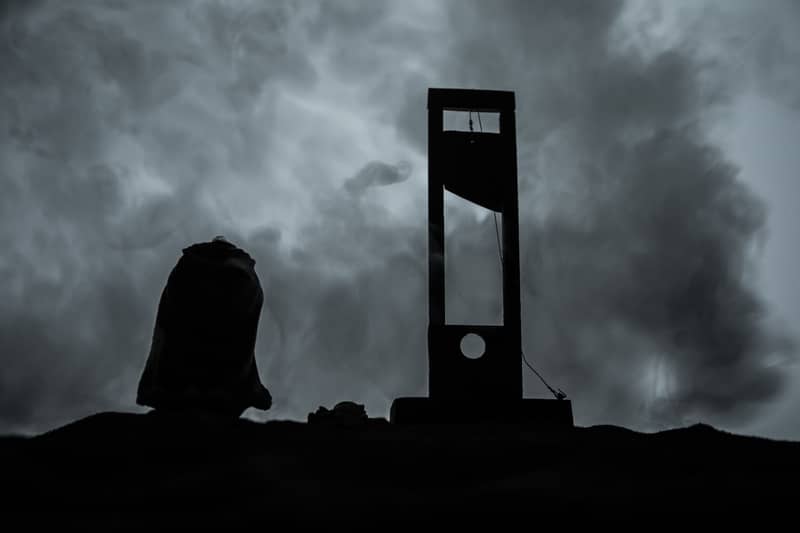
Close-up of a guillotine in dark foggy setting execution concept

⬅ See all events from 10 September

Spread the word on your favourite platform!
True Crime Scene Tape
On This Day in True Crime History

Subscribe to Dark Stories

True crime stories, dark history and tour news, straight to your inbox.