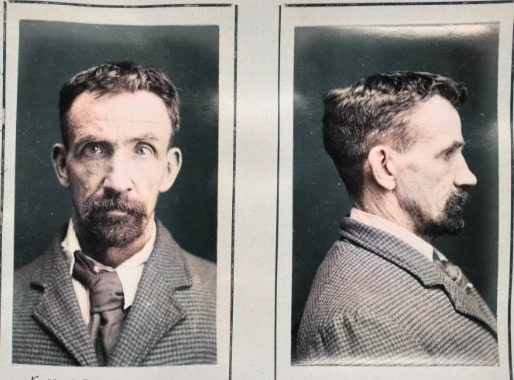
Patrick Mahon had faced the gallows before. In 1827, convicted of a highway robbery on the road from Manchester to Sheffield after borrowing a fellow traveller’s own knife to rob him, he was sentenced to death at Derby Assizes, a sentence later commuted to transportation for life. He arrived in Van Diemen’s Land the following year and spent decades drifting through minor convict offences: insolence, drunkenness, breaches of his pass, a stint in chains.

In September 1852 he was convicted again, this time of a capital crime, and sentenced to death a second time. On this day in 1852, with no reprieve coming this time, Mahon was hanged at Oatlands, the clemency that had saved him twenty five years earlier nowhere to be found.

On being sentenced, Mahon protested his innocence, but told the court he was perfectly satisfied with his trial.
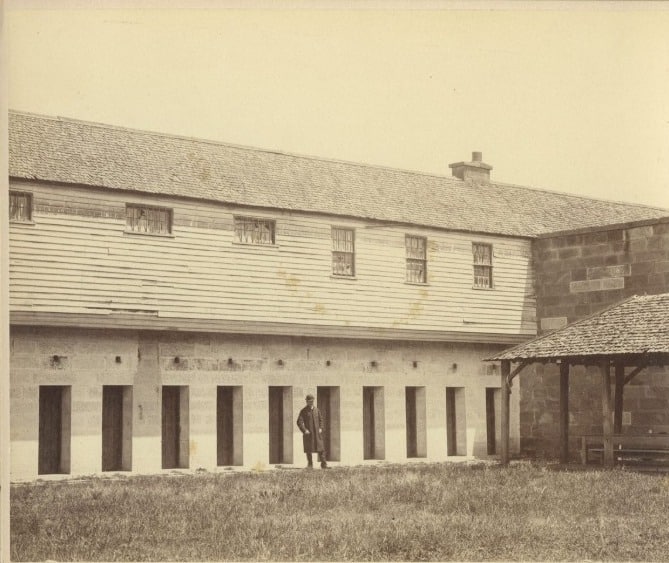

Interior of the Oatlands gaol Tasmania convict era prison cells

⬅ See all events from 26 October

Spread the word on your favourite platform!

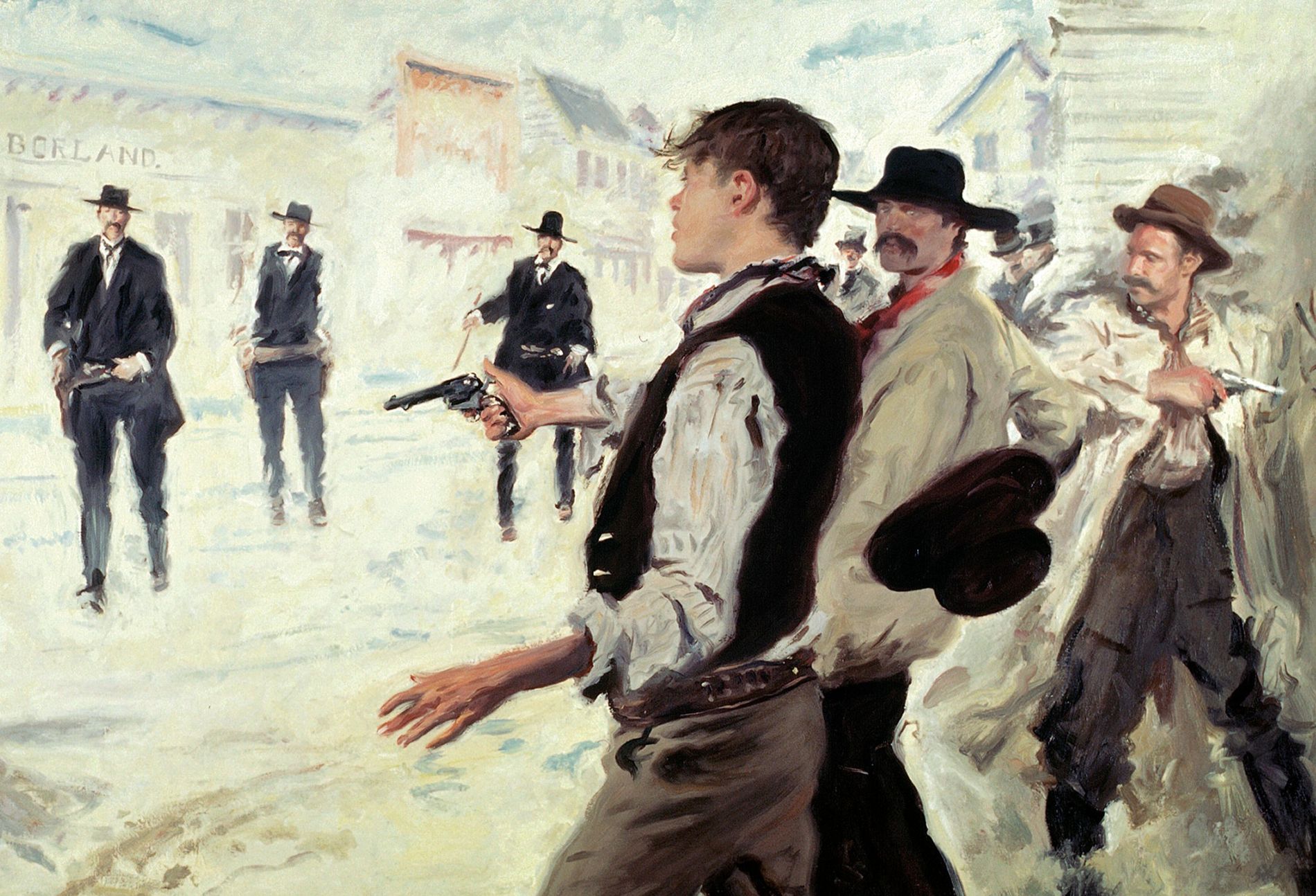
The feud between the Earp brothers and the Clanton-McLaury outfit had been building for months over cattle rustling, stagecoach robberies and bad blood on the streets of Tombstone, Arizona Territory. It ended in a vacant lot behind the O.K. Corral on this day in 1881, when Wyatt, Virgil and Morgan Earp, backed by the gambler and gunfighter Doc Holliday, walked down to disarm a group of armed men they accused of flouting the town’s gun ban.

What followed lasted less than thirty seconds. Around thirty shots were fired at close range, leaving Tom McLaury, Frank McLaury and Billy Clanton dead in the dirt. Virgil and Morgan Earp were both wounded but survived, and the shootout became the most mythologised gun battle of the American West, replayed in films and folklore ever since.

This Day in True Crime History

⬅ See all events from 26 October

Spread the word on your favourite platform!

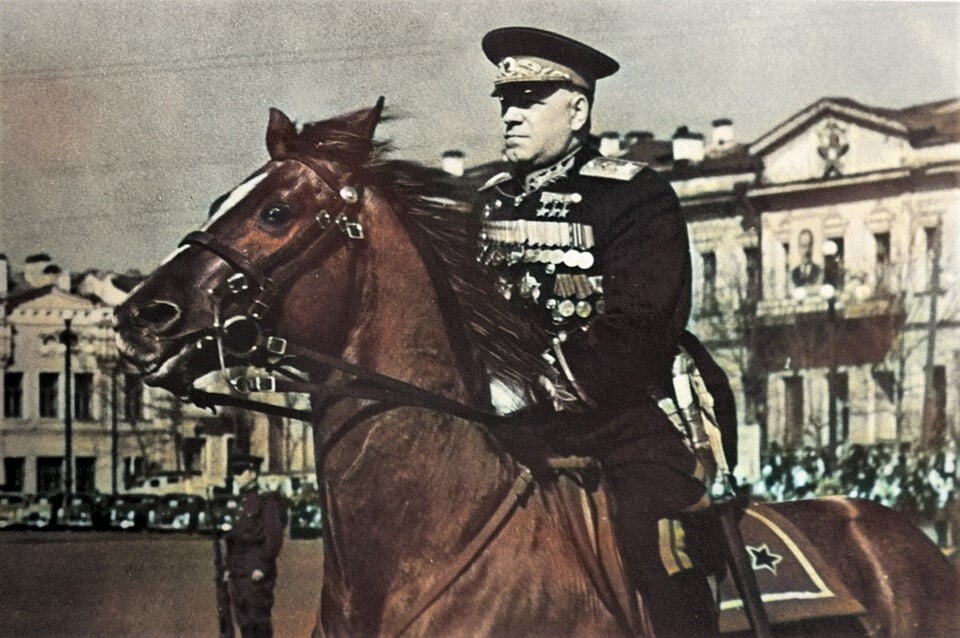
Georgi Zhukov was the Soviet Union’s most celebrated soldier, the man who had accepted Germany’s surrender and inspected the Moscow Victory Parade. That fame became his undoing. After Stalin’s death, Zhukov helped Nikita Khrushchev secure power and was rewarded with the post of Defence Minister, but his popularity soon made him look like a rival rather than an ally.

In October 1957, while Zhukov was away on an official visit to Yugoslavia and Albania, the ground shifted beneath him. He flew back into Moscow on 26 October and was taken straight into a Presidium meeting, where he was removed from the body on the spot. Within days the Central Committee accused him of fostering his own personality cult and conducting unauthorised foreign dealings; he was expelled and forced into retirement at 61, never to hold high office again.

Photograph: Russian Ministry of Defence (Mil.ru), licensed under CC BY 4.0. Digitally colourised and enhanced.

⬅ See all events from 26 October

Spread the word on your favourite platform!

Chechen militants had held hundreds of hostages inside a Moscow theatre for three days, the audience and performers alike trapped with explosives wired around the building. Negotiations dragged on with no resolution in sight, and the gunmen threatened to start killing captives if Russian forces did not withdraw from Chechnya.

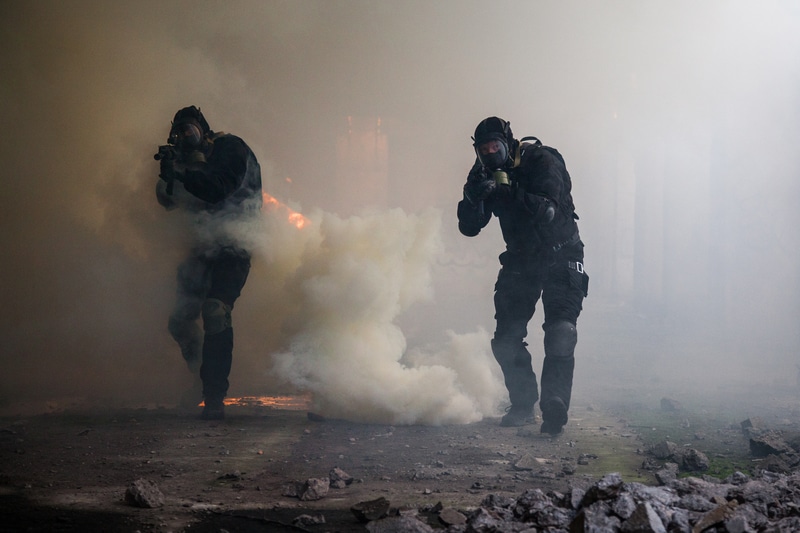
Before dawn on this day in 2002, Spetsnaz special forces pumped an unidentified narcotic gas through the ventilation system and stormed the building. The assault killed the militants, but the gas proved just as deadly to the people it was meant to save: roughly 130 hostages died, most from the effects of the chemical agent rather than gunfire, and Russian authorities refused for years to disclose exactly what it was.

Special forces operator in black uniform moving through smoke

⬅ See all events from 26 October

Spread the word on your favourite platform!
On This Day in True Crime History
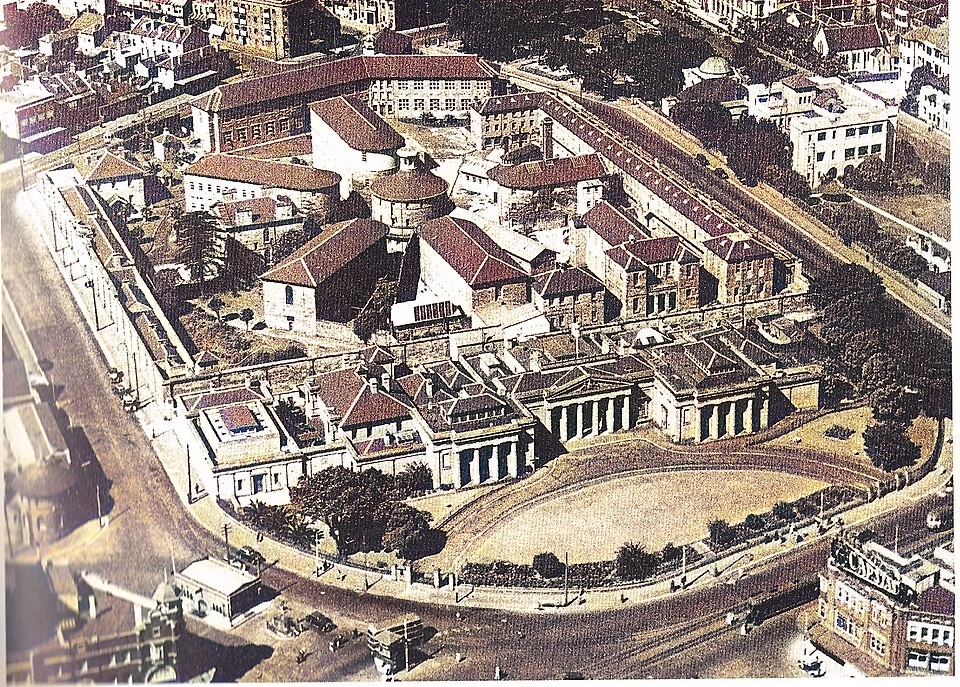
1841·First Blood on the Gallows: Two Men Hanged at the New Darlinghurst Gaol
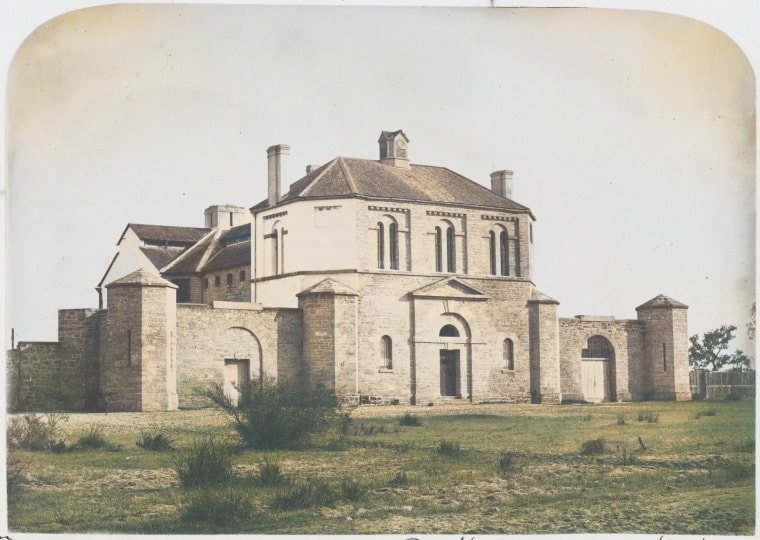
1857·Newly Freed, Then Shot by His Employer: A Convict Hanged in Perth for Attempted Murder
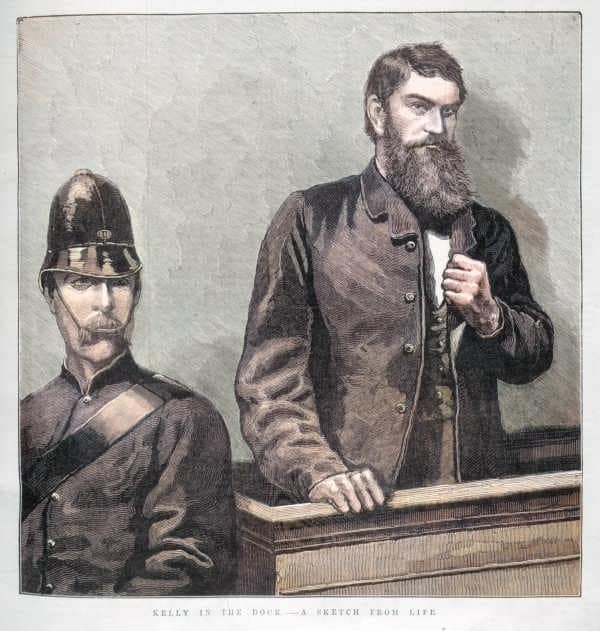
1880·Ned Kelly Sentenced to Hang in Melbourne
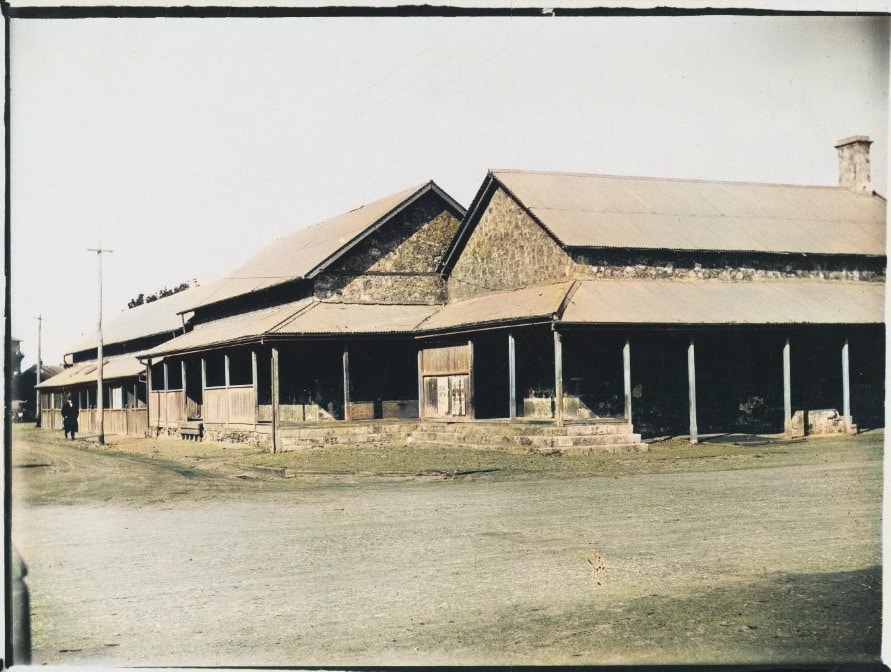
1907·He Knew Where She Kept Her Money, But Killed Her Instead: Hanged in Sydney for the Murder of a Widow
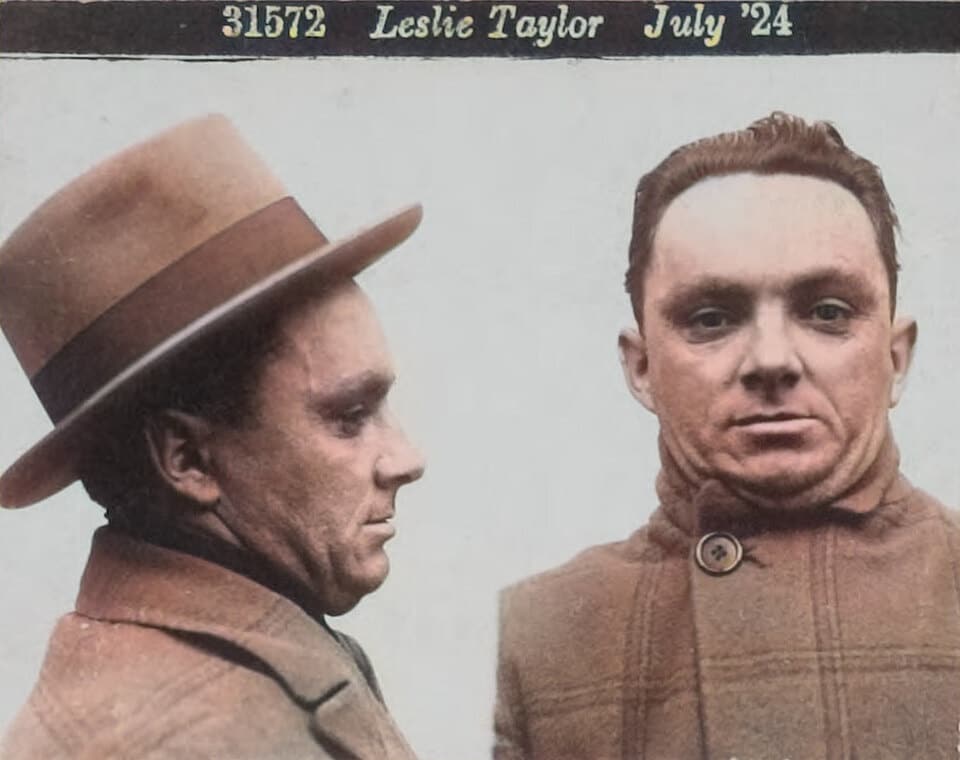
1927·Squizzy Taylor Buried in Melbourne as a Morbid Crowd Forces Police to Intervene
More Crime On This Day →

Subscribe to Dark Stories

True crime stories, dark history and tour news, straight to your inbox.