Georgi Zhukov was the Soviet Union’s most celebrated soldier, the man who had accepted Germany’s surrender and inspected the Moscow Victory Parade. That fame became his undoing. After Stalin’s death, Zhukov helped Nikita Khrushchev secure power and was rewarded with the post of Defence Minister, but his popularity soon made him look like a rival rather than an ally.

In October 1957, while Zhukov was away on an official visit to Yugoslavia and Albania, the ground shifted beneath him. He flew back into Moscow on 26 October and was taken straight into a Presidium meeting, where he was removed from the body on the spot. Within days the Central Committee accused him of fostering his own personality cult and conducting unauthorised foreign dealings; he was expelled and forced into retirement at 61, never to hold high office again.
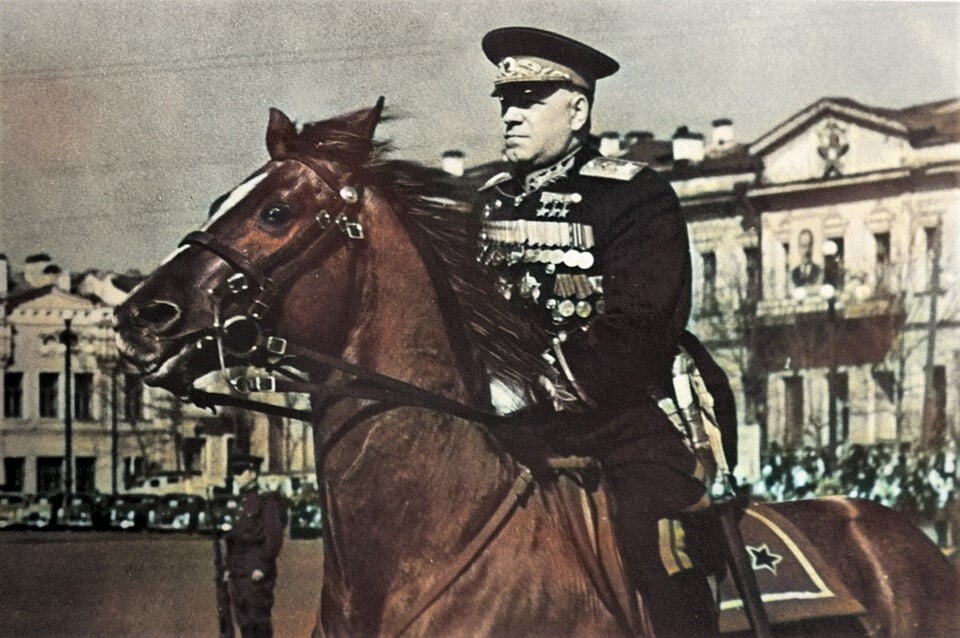

Photograph: Russian Ministry of Defence (Mil.ru), licensed under CC BY 4.0. Digitally colourised and enhanced.

⬅ See all events from 26 October

Spread the word on your favourite platform!

Kim Jae-kyu was no outsider. As head of South Korea’s Central Intelligence Agency, he had spent years enforcing President Park Chung-hee’s authoritarian rule, even as protests against it grew and corruption allegations mounted. On this day in 1979, during a private dinner at a KCIA safe house near the Blue House, South Korea’s equivalent of the American White House, Kim turned on the man he served and shot him dead at the table.

The killing sent shockwaves through the nation and exposed the deep fractures within Park’s own inner circle. Kim and several others implicated in the assassination were tried and executed in 1982, closing a case that marked the violent end of nearly two decades of authoritarian rule.

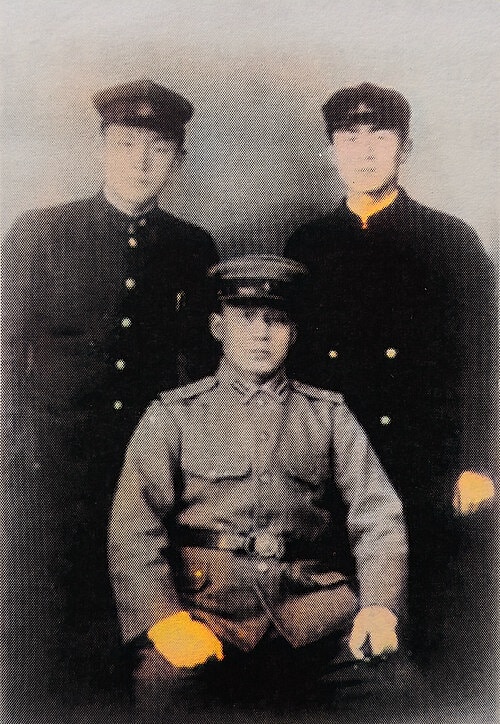
Park Chung Hee in earlier dates as military officer with classmates group photo

⬅ See all events from 26 October

Spread the word on your favourite platform!

Patrick Mahon had faced the gallows before. In 1827, convicted of a highway robbery on the road from Manchester to Sheffield after borrowing a fellow traveller’s own knife to rob him, he was sentenced to death at Derby Assizes, a sentence later commuted to transportation for life. He arrived in Van Diemen’s Land the following year and spent decades drifting through minor convict offences: insolence, drunkenness, breaches of his pass, a stint in chains.

In September 1852 he was convicted again, this time of a capital crime, and sentenced to death a second time. On this day in 1852, with no reprieve coming this time, Mahon was hanged at Oatlands, the clemency that had saved him twenty five years earlier nowhere to be found.

On being sentenced, Mahon protested his innocence, but told the court he was perfectly satisfied with his trial.

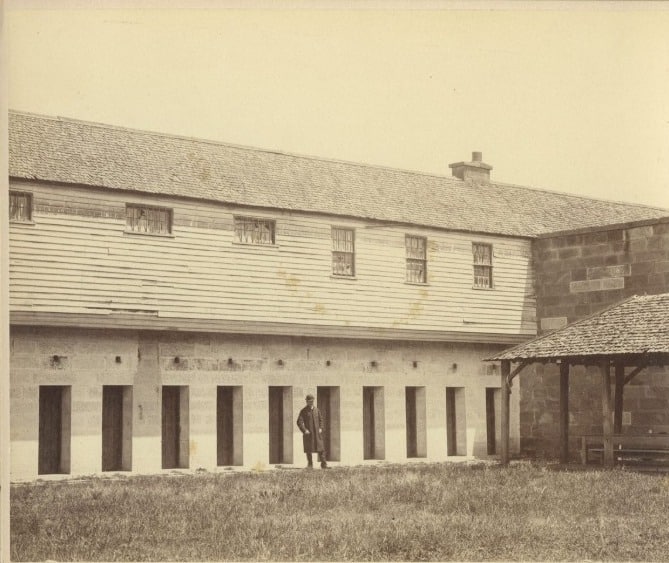
Interior of the Oatlands gaol Tasmania convict era prison cells

⬅ See all events from 26 October

Spread the word on your favourite platform!

Eric Edgar Cooke terrorised Perth through the late 1950s and early 1960s, eventually confessing to eight murders and fourteen attempted murders, including five people shot during a single Australia Day rampage. He also admitted to more than 250 burglaries, recalling with uncanny precision the number and denomination of coins stolen in each one.

His confessions carried a far darker twist: they cleared two men already tried, convicted and imprisoned for murders Cooke now claimed as his own. He was ultimately convicted of killing John Lindsay Sturkey, one of his victims, after pleading not guilty on grounds of insanity.

Cooke was hanged in Fremantle on this day in 1964.

He never denied his crimes, confessing fully and in exacting detail to police before his execution.

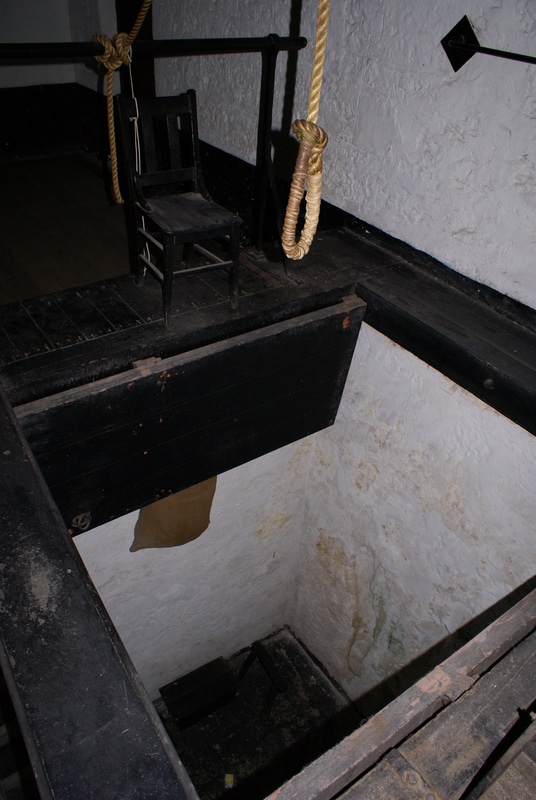
Fremantle Prison Western Australia: the gallows where 44 people were hanged including the last: Serial killer Eric Edgar Cooke in 1964.

⬅ See all events from 26 October

Spread the word on your favourite platform!
On This Day in True Crime History
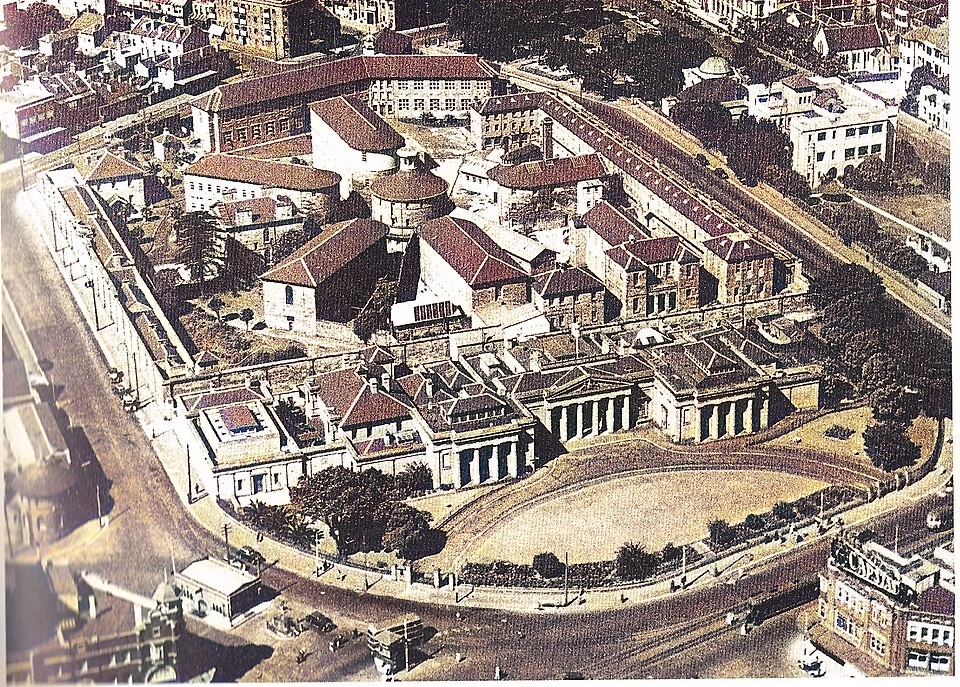
1841·First Blood on the Gallows: Two Men Hanged at the New Darlinghurst Gaol
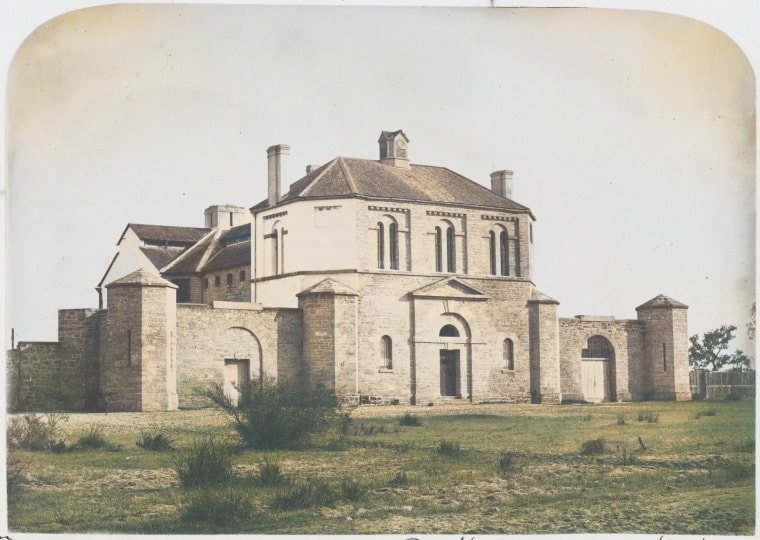
1857·Newly Freed, Then Shot by His Employer: A Convict Hanged in Perth for Attempted Murder
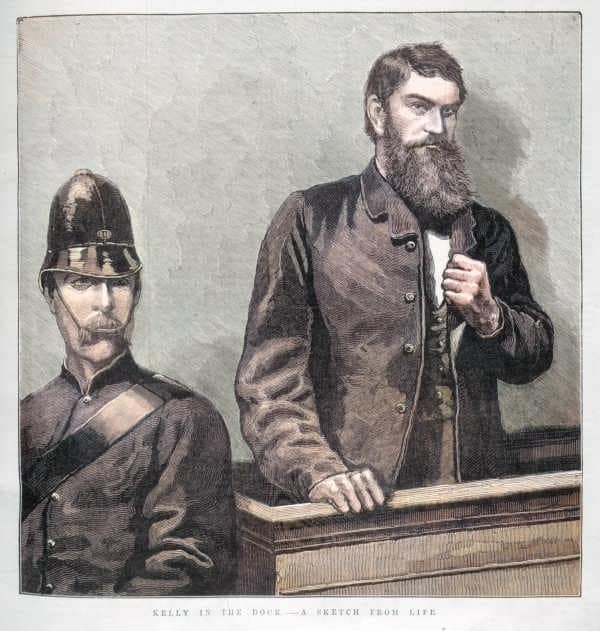
1880·Ned Kelly Sentenced to Hang in Melbourne
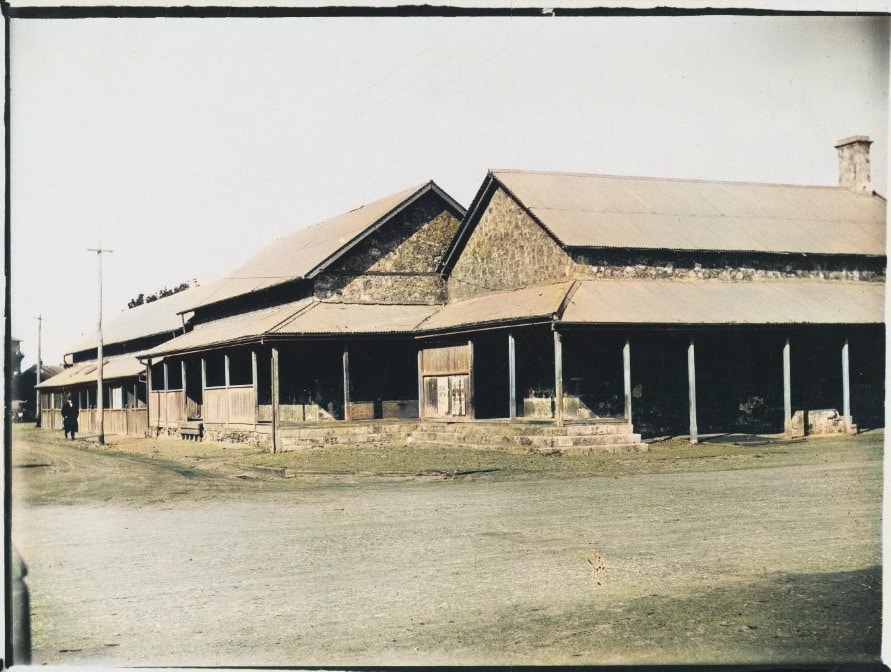
1907·He Knew Where She Kept Her Money, But Killed Her Instead: Hanged in Sydney for the Murder of a Widow
1927·Squizzy Taylor Buried in Melbourne as a Morbid Crowd Forces Police to Intervene
More Crime On This Day →

Subscribe to Dark Stories

True crime stories, dark history and tour news, straight to your inbox.