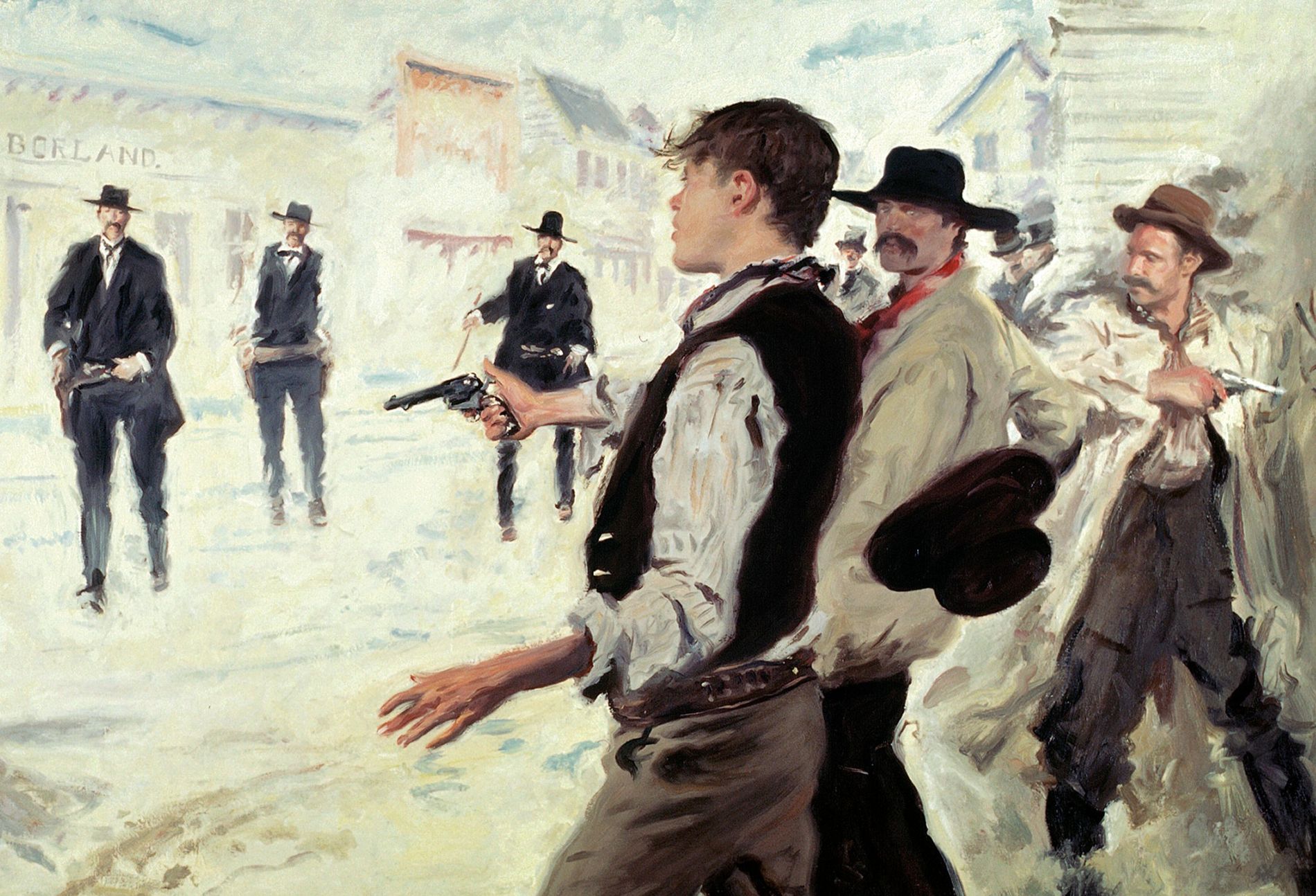
Carl Denaro and Rosemary Keenan were sitting in a parked car near Bowne Park in Flushing, Queens, on this day in 1976 when the windows suddenly exploded around them. Denaro was bleeding from a bullet wound to the head, Keenan was only cut by flying glass, and in her panic she sped off for help without either of them realising anyone had actually fired at them.

Police dug .44 calibre bullets out of the wrecked car, the same calibre already blamed for a string of near-identical attacks on young couples across New York, but the slugs were so deformed detectives doubted they could ever be traced to one weapon. The press had already given the unknown gunman a name before anyone had heard of “Son of Sam”: the .44 Calibre Killer. Because Denaro wore his hair shoulder length, investigators later decided he had simply been mistaken for a woman.

Jurisdiction kept the dots unjoined for months: this shooting sat with one Queens precinct, a near-identical attack on another couple three months earlier in the Bronx sat with another, and the bullets went unmatched until more victims fell. David Berkowitz was arrested the following year and later confessed to shooting Denaro and Keenan himself.
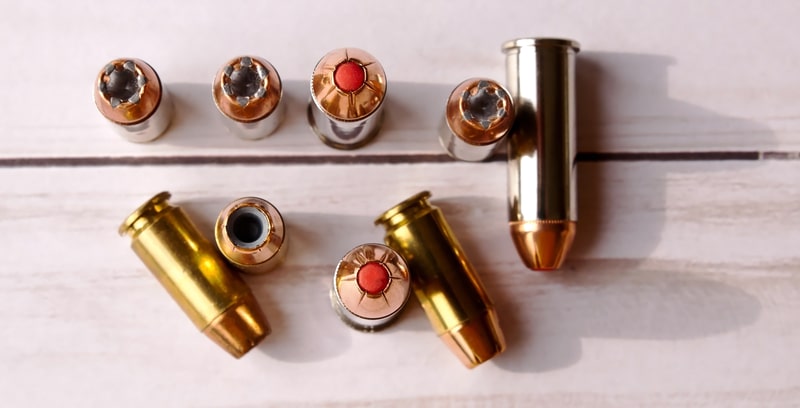

Son Sam aka The 44 Caliber Killer

⬅ See all events from 23 October

Spread the word on your favourite platform!

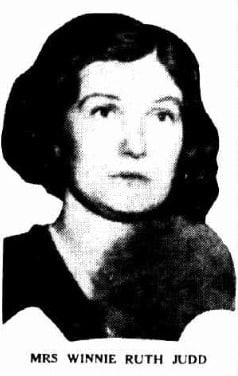
Winnie Ruth Judd earned the tabloid name the Trunk Murderess after she shot two friends in Phoenix, Arizona, then packed their bodies into steamer trunks and shipped them by rail to Los Angeles in 1931. When the trunks began to leak, she walked into a Los Angeles police station and gave herself up.

Convicted of murder in 1932, she was declared insane and spent much of the next four decades confined to an Arizona mental institution, escaping it several times before finally being paroled in 1971. She died in Phoenix on this day in 1998, aged 93, exactly 67 years to the day after she had first surrendered to police.

Portrait of Winnie Ruth Judd convicted of murdering two nurses 1932

⬅ See all events from 23 October

Spread the word on your favourite platform!

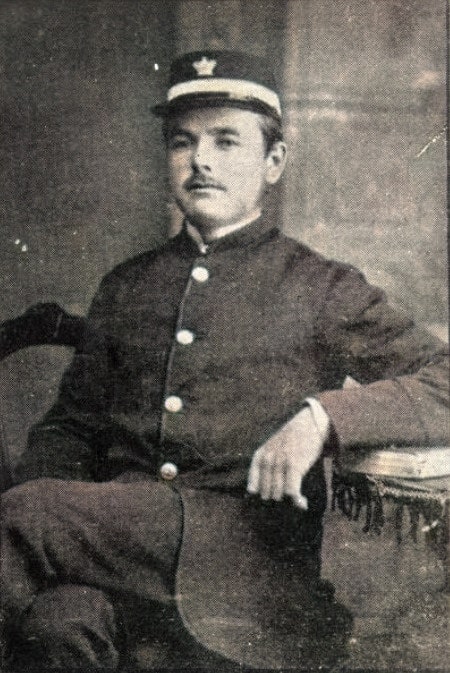
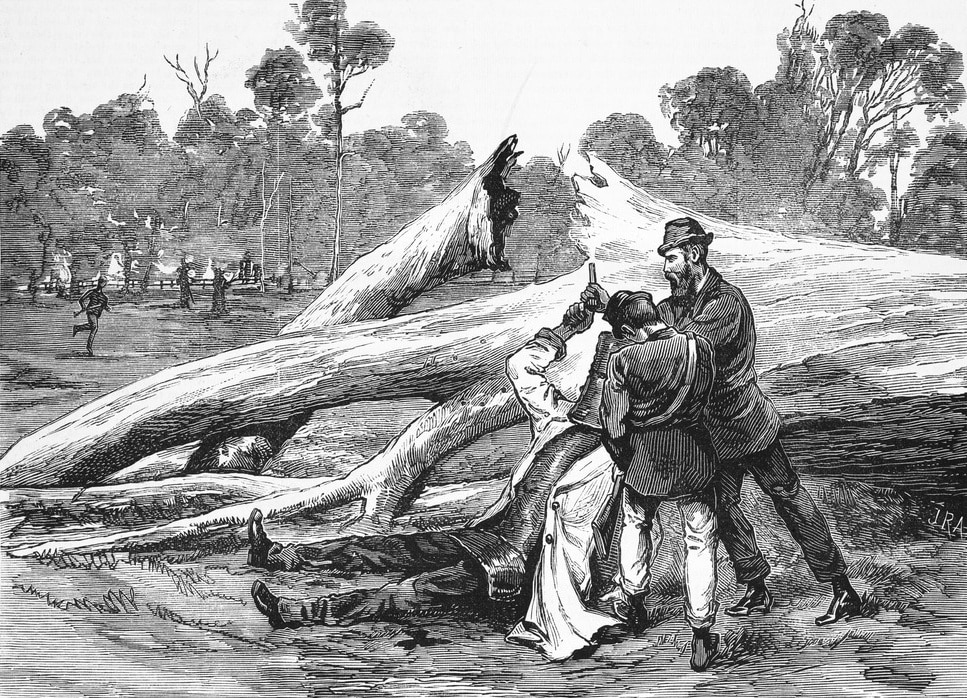
Thomas Carbury and an accomplice, Andrew Miller, were arrested for drunkenness in a small Western Australian town, and Constable Patrick Hackett refused to return the new clothing found in their swag, worth about £20, until they explained how they had got it. Released that evening, the pair bludgeoned and stabbed him to death on 12 September 1884; the hammers used on him turned up cleaned but still blood-stained, quietly returned to the local blacksmith’s shop.

Police hunted the two men for a week. Cornered in a shootout, Miller was fatally wounded and confessed with his dying breath that “both Carbury and myself killed him.” Carbury fled but was soon tracked down and arrested, reportedly carrying a bottle of strychnine, as if hoping to cheat the gallows.

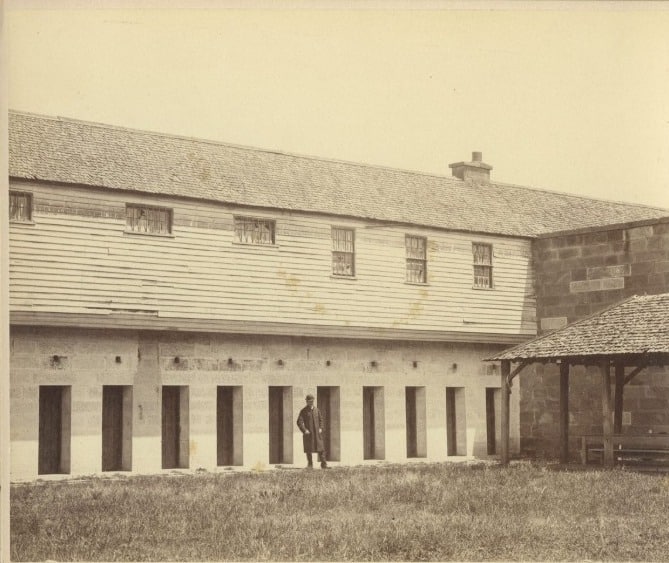
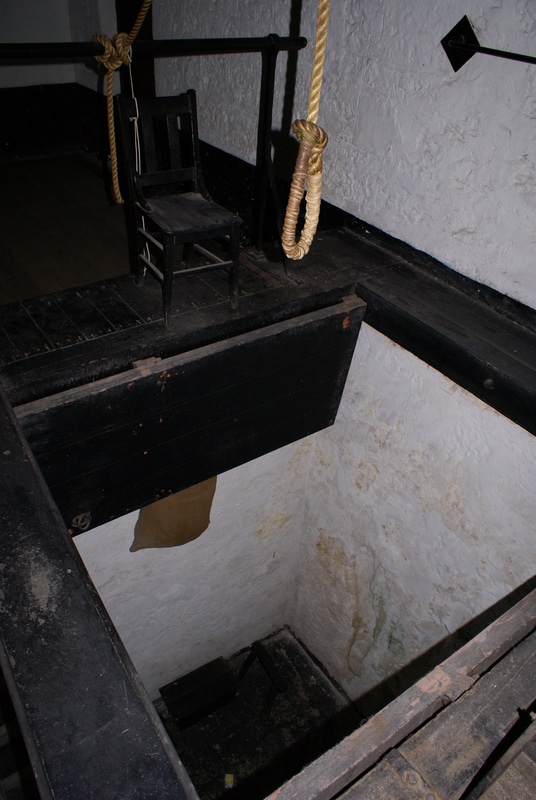
Awaiting execution in Perth, Carbury made a will leaving his savings, horses and stock of cut sandalwood entirely to Hackett’s widow. He never once spoke his victim’s name, calling him only “that man,” and said he wanted everything he owned “to go to the benefit of the child of that man.” He was hanged in Perth on this day in 1884, so overcome with terror that two constables had to carry him to the scaffold.

He had earlier acknowledged his guilt to the prison chaplain, though he never explained why he and Miller had killed Hackett.

Portrait of police Corporal Evan Williams Western Australia

⬅ See all events from 23 October

Spread the word on your favourite platform!

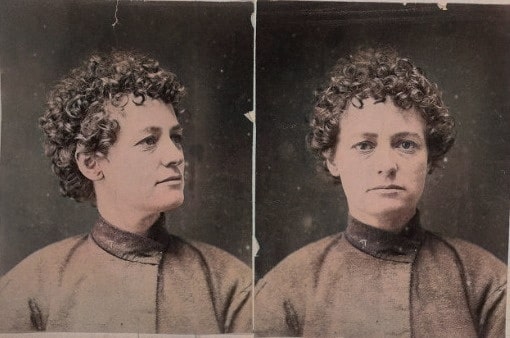
Martha Needle had already buried her husband and both young daughters, each death blamed on a mysterious wasting illness, when she turned her attention to the family of her fiance, Otto Juncken. Months before her arrest she fed his brother Louis arsenic, and when his only surviving brother also sickened, doctors found arsenic disguised as rat poison in his vomit. Police lay in wait and caught Needle in the act, offering him a cup of tea laced with ten grains of poison.

Tried for Louis’s murder, her lawyer argued that she suffered fits of unconsciousness and should not be held responsible, but an insanity plea was dismissed. Convicted with no recommendation for mercy, Needle was hanged in Melbourne on 22 October 1894. Exhumations later found arsenic in the bodies of her husband and both daughters as well, confirming a killing spree that had gone undetected for years. She left everything she owned to Otto, the man who had stood by her to the end.

Martha Needle: Public Record Office Victoria, VPRS 516/P0000, Central Register of Female Prisoners, register nos. 5926–6415 (1891–1896).

⬅ See all events from 22 October

Spread the word on your favourite platform!
On This Day in True Crime History

Subscribe to Dark Stories

True crime stories, dark history and tour news, straight to your inbox.