1978: The Vatican Cover-Up That Fuelled a Poisoning Legend: the Death of Pope John Paul I

Pope John Paul I was found dead in his bed after just 33 days in office, the shortest papacy since 1605, with a religious devotional still in his hands. The Vatican initially claimed a priest had discovered the body; in truth it was a nun, Sister Vincenza, who found him, and officials lied about it out of embarrassment that a woman had entered the private papal quarters.

No autopsy was performed and the body was embalmed with unusual speed, feeding decades of speculation that he had been poisoned to stop him exposing corruption at the Vatican Bank. One theory even produced a mobster who claimed to have helped administer the poison. Later research drawing on confidential Vatican archives instead found a simpler explanation: a history of heart trouble, chest pains the night before his death, and no doctor ever called.
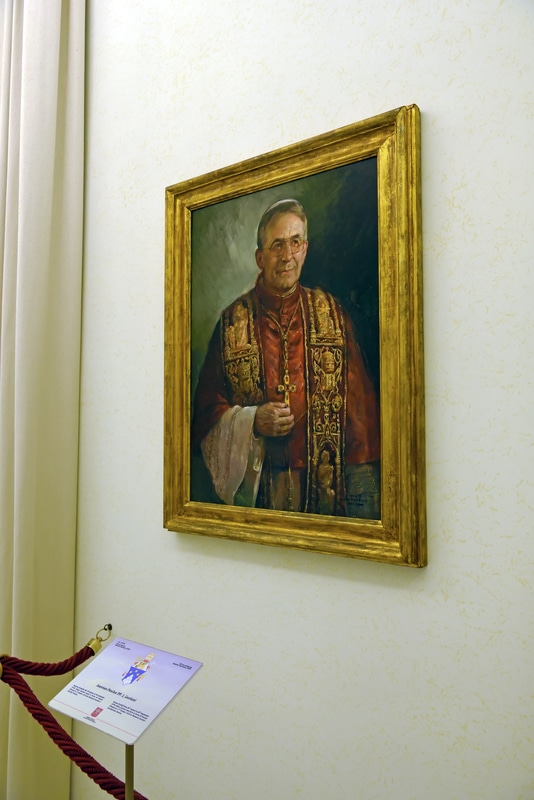

Castel Gandolfo Lazio Italy. Portrait of Pope John Paul I, albino luciani in the museum of the pontifical villas 11 Sep 2022 Castel Gandolfo Italy | ID 259284583 © Maudanros | Dreamstime.com
ID 259284583 © Maudanros | Dreamstime.com

⬅ See all events from 28 September

Spread the word on your favourite platform!
True Crime Scene Tape

1829: The Informer They Called Kangaroo Jack: Silenced in the Bush Near Bathurst

John Hazeldine went by the name Kangaroo Jack, and he liked to remind men what his evidence could do: he claimed it had hanged one man in England and transported two others. So when he and a young absconded convict named Parker were caught butchering a stolen bullock in the bush near Bathurst in 1828, Parker knew exactly what Hazeldine intended to do next. That evening, as Hazeldine knelt blowing a campfire alight, Parker struck him with a tomahawk.

The case against him rested almost entirely on a confession he was said to have made to two fellow convicts, men a settler who watched the trial branded liars who “contradicted each other in all other things” and may have been the real killers. It was enough. Parker, about 19, was hanged behind the gaol at Sydney on 28 September 1829, still hoping until the last for a reprieve.

He denied the murder almost to the moment the rope was placed around his neck, then confessed his guilt as the drop was prepared.

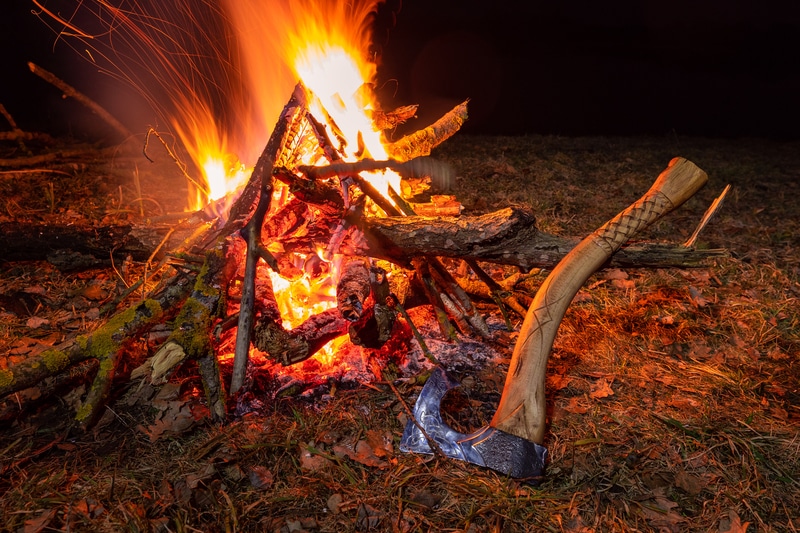
Campfire with hand-forged axe at night.

⬅ See all events from 28 September

Spread the word on your favourite platform!
True Crime Scene Tape

1808: The Bushranger Who Apologised Mid-Robbery, Then Hanged at Sydney

Hugh Dowling and his accomplices broke into William Styles’s house near the Nepean River in 1808, beat a sleeping servant unconscious, bound Styles’s wife as she nursed an infant, and ransacked the home at gunpoint. When Styles’s wife protested handing over her husband’s watch, Dowling reportedly replied, “I ask your pardon madam,” before taking a pipe instead and settling in to smoke tobacco with his companions before leaving.

He wore a crude crape mask, but it slipped while he examined stolen banknotes by candlelight, and Styles’s wife later swore in court that she had seen his bare face clearly enough to identify him without doubt. Convicted despite an alibi the court found riddled with contradictions, Dowling was sentenced to death and hanged the following Thursday.

Dowling maintained his innocence through trial, but the alibi he offered collapsed under questioning and was judged a fabrication by the court.

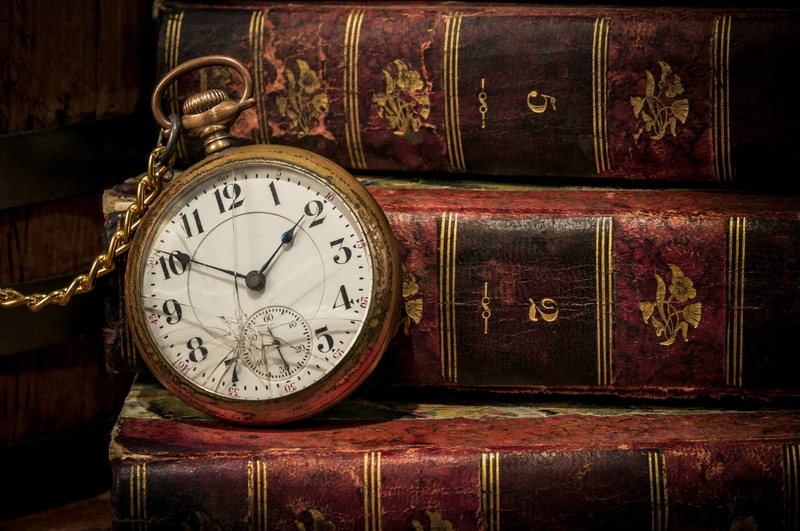
Antique pocket watch resting on old books.

⬅ See all events from 28 September

Spread the word on your favourite platform!
True Crime Scene Tape

1898: Executed as Reform Martyrs, But Were They Assassins? The Beheading of Six Gentlemen in Beijing

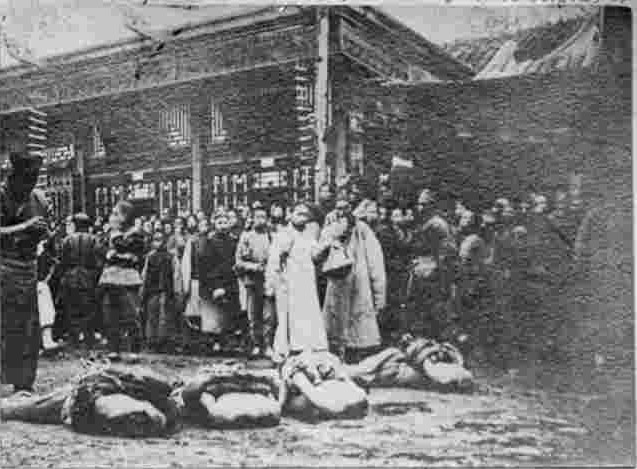
When Empress Dowager Cixi crushed the Hundred Days’ Reform with a palace coup in September 1898, she moved fast. Six officials and intellectuals who had championed the Guangxu Emperor’s modernisation drive, among them Tan Sitong and Kang Youwei’s younger brother Kang Guangren, were arrested, denied any trial, and beheaded the same day at the Caishikou execution ground in Beijing. For decades they were remembered simply as reform martyrs cut down by a reactionary court.

That story only cracked in the 1980s, when testimony surfaced in Japanese archives from a man who had been ordered to assassinate Cixi and fled before he could act. His account implicated four of the six in a genuine plot to kill the Empress Dowager, suggesting at least one of the condemned, Yang Rui, may have been entirely innocent, executed alongside men who really had been plotting murder.

Historic photo of beheaded bodies after execution: Laneway of Caishikou crossroad, Beijing, China.

⬅ See all events from 28 September

Spread the word on your favourite platform!
True Crime Scene Tape
On This Day in True Crime History
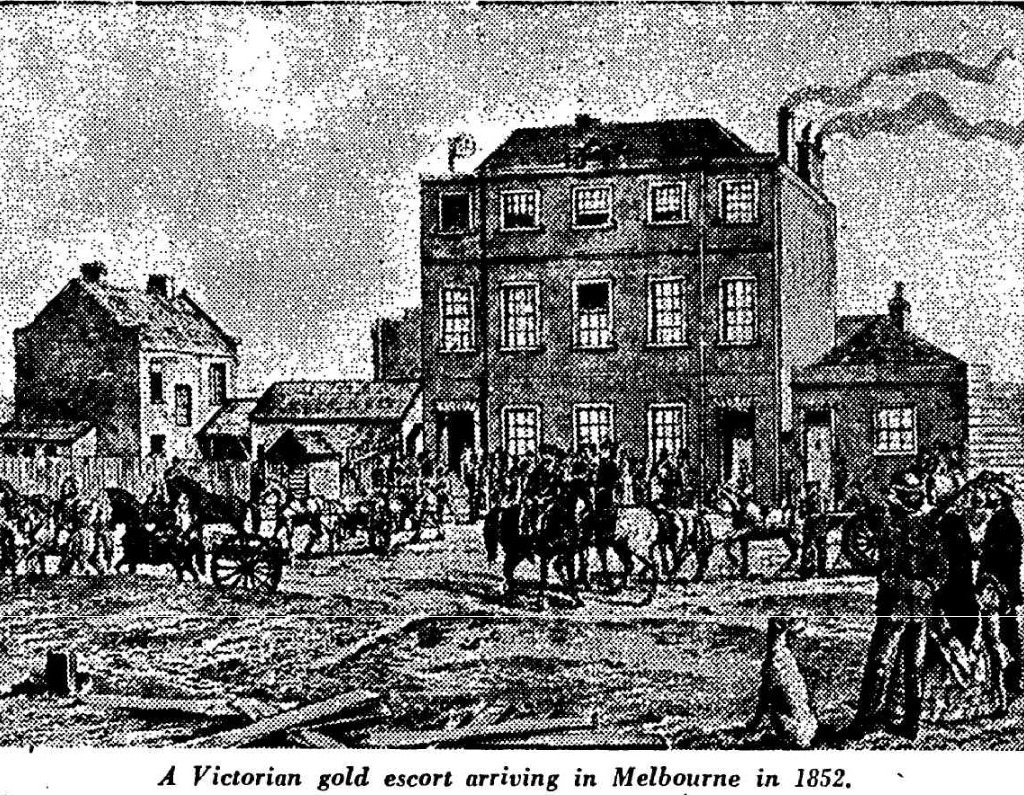
1853·A Hanged Bushranger's Corpse Put on Display in a Melbourne Shop Window
1960·Breathing for Seven Hours: The Forensic Test That Disproved a Kidnappers Alibi in the Graeme Thorne Murder
More Crime On This Day →

Subscribe to Dark Stories

True crime stories, dark history and tour news, straight to your inbox.