1867: Joseph Ballam Hanged at Ballarat for the Piggoreet Road Murder

Thomas Ulick Burke, manager of the Bank of Australasia at Smythesdale, was shot and killed on 10 May 1867 while travelling alone by buggy through the bush near the Coach and Horses Hotel after purchasing gold from claims along the Break-o’-Day road. His valise was found empty, all gold and banknotes taken. Joseph Ballam, an unemployed lodger at the Cosmopolitan Hotel in Piggoreet, had spent the days before the murder quietly canvassing the local claims for yield information, noting that the Break-o’-Day Company would have a good haul that fortnight.

At the Ballarat Circuit Court, before Judge Barry, Ballam and co-accused George Searle, keeper of the Cosmopolitan Hotel, were charged with the wilful murder. Witnesses placed both men on horseback near the route Burke had taken on the afternoon of the killing, their horses shod with shoes of distinctive shape that a farrier could identify. Ballam was convicted and hanged at Ballarat on 7 August 1867.
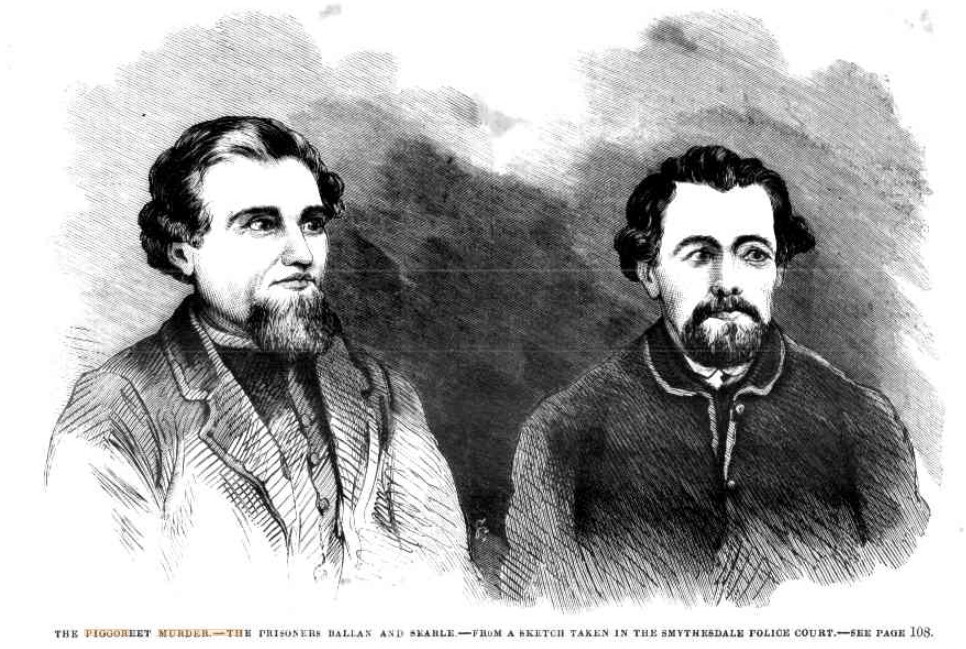

Piggoreet murder prisoners Ballan and Searle Smythesdale police court

⬅ See all events from 7 August

Spread the word on your favourite platform!
True Crime Scene Tape

1867: George Searle Hanged at Ballarat for the Piggoreet Murder

Thomas Ulick Burke, manager of the Bank of Australasia at Smythesdale, was ambushed and shot dead on 10 May 1867 while travelling alone by buggy after buying gold along the road toward Bulldog. His body was found the following day in the bush near the Coach and Horses Hotel, slumped in the buggy with his valise emptied of all gold and notes. Evidence placed George Searle and his associate Joseph Ballan near the scene that afternoon, with a witness confirming Ballan had been scouting goldfield yields in the days before the murder.

At the Ballarat Circuit Court, before Judge Barry, both men were tried for wilful murder. Searle, keeper of the Cosmopolitan Hotel, and Ballan, a lodger there, had been seen together at key locations along the murder route on the day of the killing. Horseshoe markings provided further physical evidence linking the pair to the crime. Searle was convicted and hanged at Ballarat on 7 August 1867.
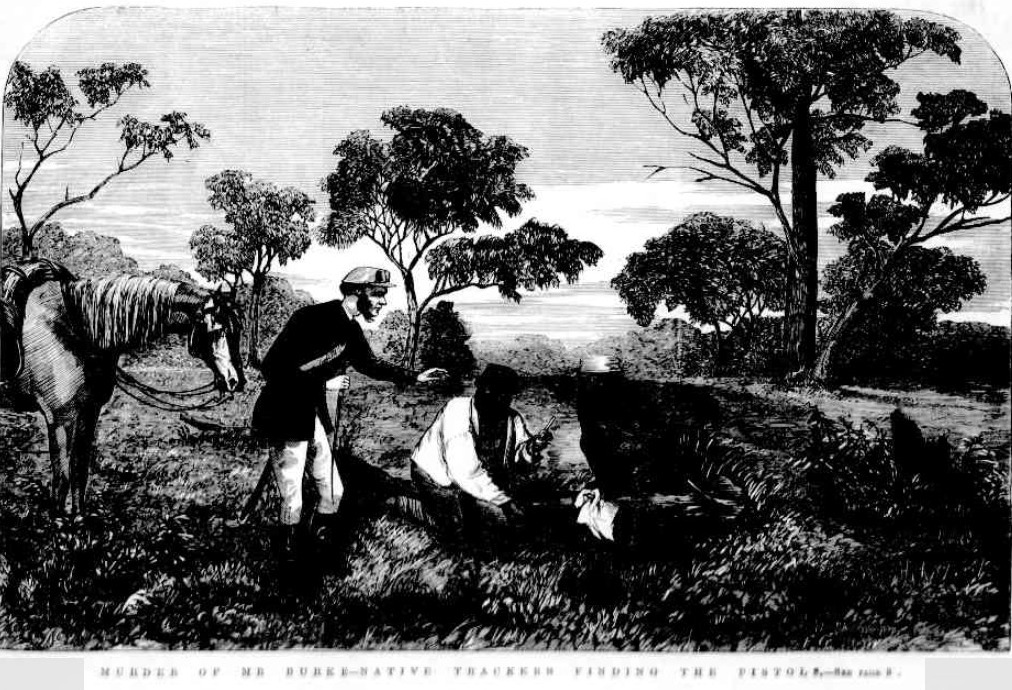
Murder of Mr Burke native trackers finding the pistols

⬅ See all events from 7 August

Spread the word on your favourite platform!
True Crime Scene Tape

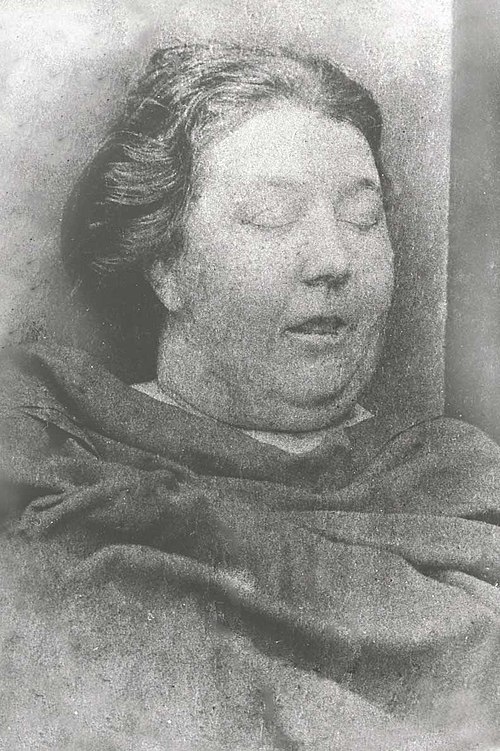
1888: Martha Tabram Slain in Whitechapel, Possibly Jack the Ripper’s First Victim

In the early hours of 7 August 1888, Martha Tabram was found dead in George Yard Buildings, Whitechapel, stabbed 39 times. The 39-year-old had spent the previous evening drinking with a companion and two soldiers before separating in the early hours, never to be seen alive again. Though not among the canonical five Ripper victims, she is widely regarded as the most likely additional candidate.

Born Martha White in Southwark in 1849, she had lived a troubled life marked by a failed marriage, heavy drinking, and poverty. By 1888, separated from her long-term partner Henry Turner and evicted from their Commercial Road lodgings, she had been forced into street prostitution. Her killer was never identified.

Portrait of Martha Tabram victim of a Victorian era murder case

⬅ See all events from 7 August

Spread the word on your favourite platform!
True Crime Scene Tape

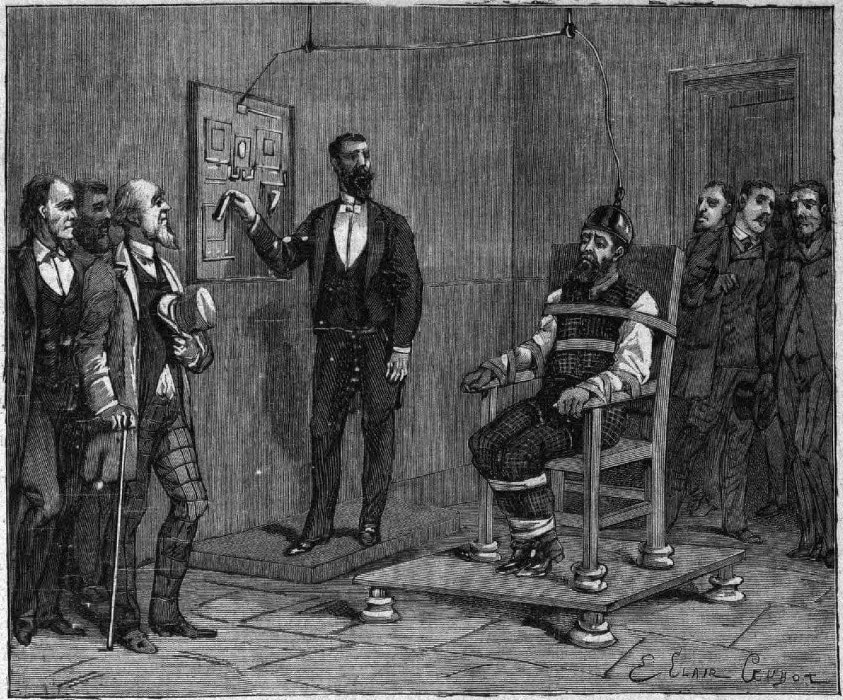
1890: William Kemmler: The First Man Executed by Electric Chair

William Kemmler, a vegetable peddler from the slums of Buffalo, New York, became the first person in history executed by electric chair. On March 29, 1889, in the grip of a drunken rage, he accused his common-law wife Matilda ‘Tillie’ Ziegler of theft and betrayal, retrieved a hatchet from the barn, and beat her to death. He then walked to a neighbour’s house and announced what he had done.

Convicted of first-degree murder in May 1889 and sentenced to death, Kemmler was chosen as the inaugural test of New York’s new electrocution law, which had replaced hanging on January 1, 1888. His execution at Auburn Prison on August 6, 1890 did not go smoothly. Developers including George Westinghouse had fought to block use of their technology for executions, and legal appeals argued the chair violated the Eighth Amendment’s ban on cruel and unusual punishment. The appeals failed, and Kemmler died in the chair, though witnesses reported the process was prolonged and deeply disturbing.

Illustration of a man executed by electrocution in electric chair

⬅ See all events from 6 August

Spread the word on your favourite platform!
True Crime Scene Tape
On This Day in True Crime History

Subscribe to Dark Stories

True crime stories, dark history and tour news, straight to your inbox.