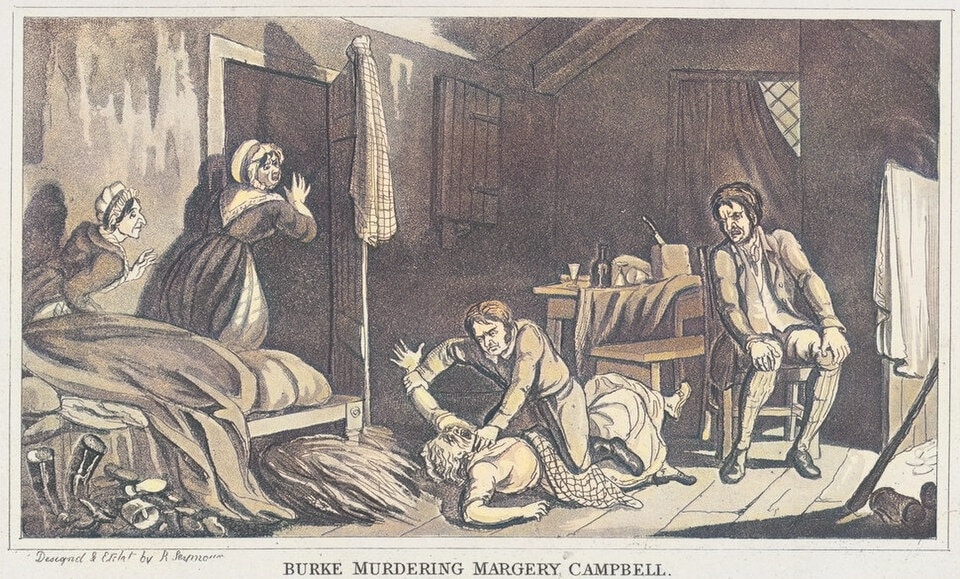
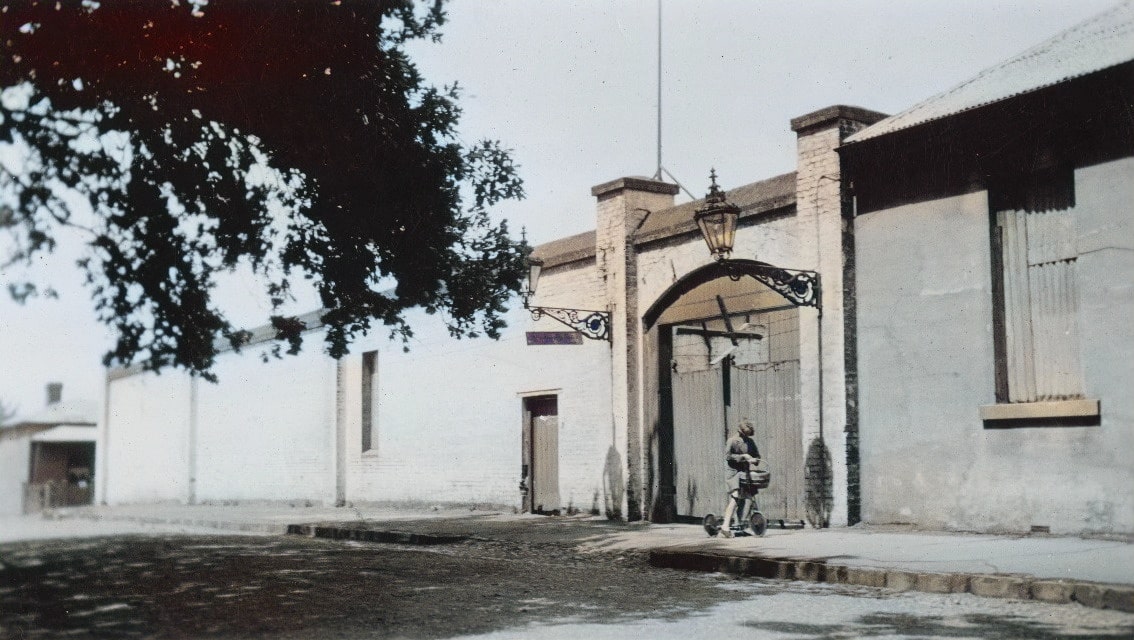
John Dunn, Thomas Welch and Ann Wilson were charged before the Court of Criminal Jurisdiction at Parramatta with the murder of Mary Rowe. After a lengthy hearing, the court convicted Dunn of the murder largely on the evidence of an accomplice, John Welch, a boy of about sixteen.

Dunn was ordered hanged the following Monday, between eight and twelve. But as the execution was about to proceed, the teenage witness suddenly retracted his sworn testimony in front of the assembled spectators, declaring that Dunn was innocent and that he and his father, Thomas Welch, were the true killers. The Acting Provost Marshal, with no precedent to guide him, respited the hanging, which did not take place until the following Wednesday, under far gloomier circumstances than before.

Despite the boy’s dramatic gallows reversal accusing himself and his father of the killing, the original verdict against Dunn stood and his execution went ahead two days later than planned.
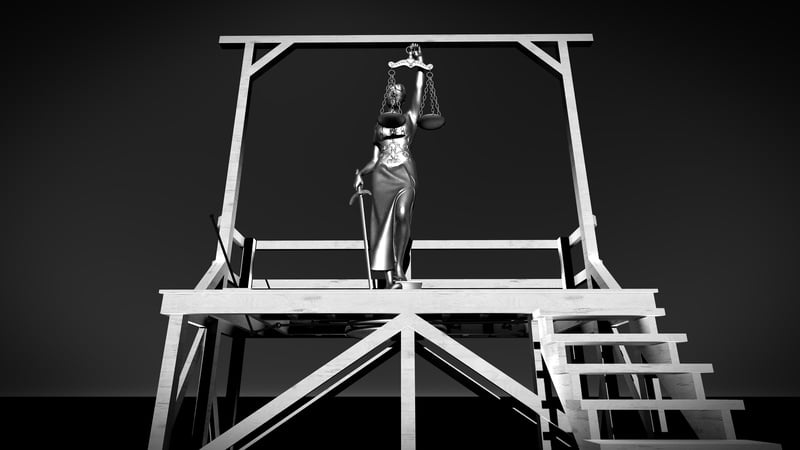

Lady Justice Themis statue on gallows with scales and sword

⬅ See all events from 16 September

Spread the word on your favourite platform!

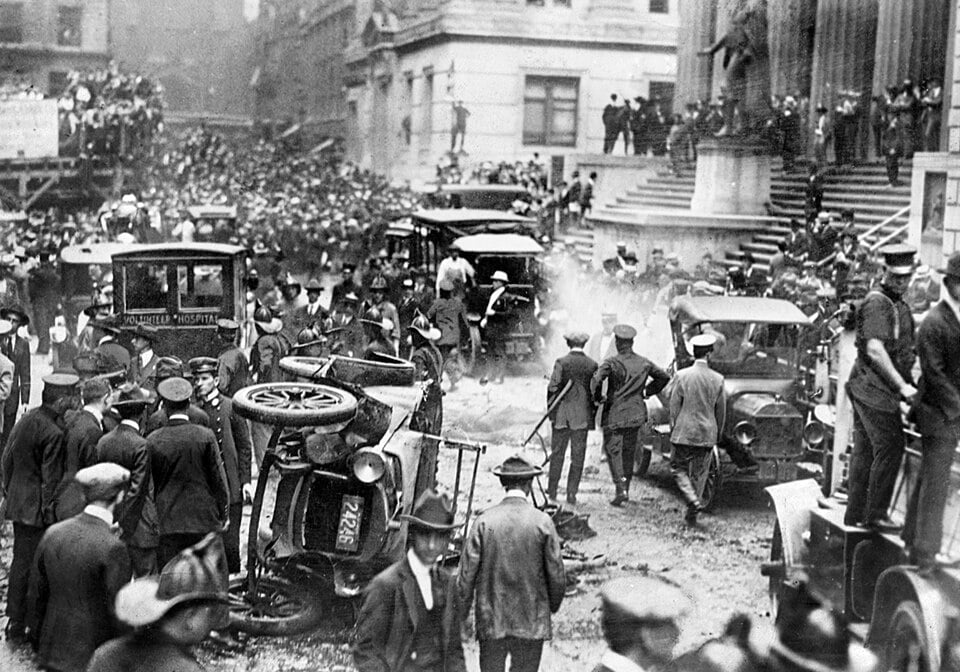
At 12:01 pm on September 16, 1920, a horse-drawn wagon parked across from the J.P. Morgan & Co. headquarters at 23 Wall Street exploded, packed with 100 pounds of dynamite and 500 pounds of cast-iron sash weights turned into shrapnel. Thirty people died instantly and eight more later succumbed to their wounds, with 143 seriously injured and hundreds hurt in total. Witnesses saw the driver step down and vanish down a side street moments before the blast; he was never identified.

Within a minute, the New York Stock Exchange president suspended trading to head off panic. A 17-year-old messenger, commandeered a parked car and used it to ferry 30 wounded victims to hospital as police seized nearby vehicles for the same purpose. Crews worked through the night to clear the wreckage so the Exchange could reopen the next morning, but in doing so destroyed evidence that might have identified the bomber.

Investigators from the Bureau of Investigation, forerunner of the FBI, suspected the attack was the work of Galleanist anarchists responsible for a string of bombings the previous year, but no one was ever charged. More than a century on, the Wall Street bombing remains unsolved, its perpetrator and motive still unknown.

Historic photo of bombing aftermath on Wall Street

⬅ See all events from 16 September

Spread the word on your favourite platform!

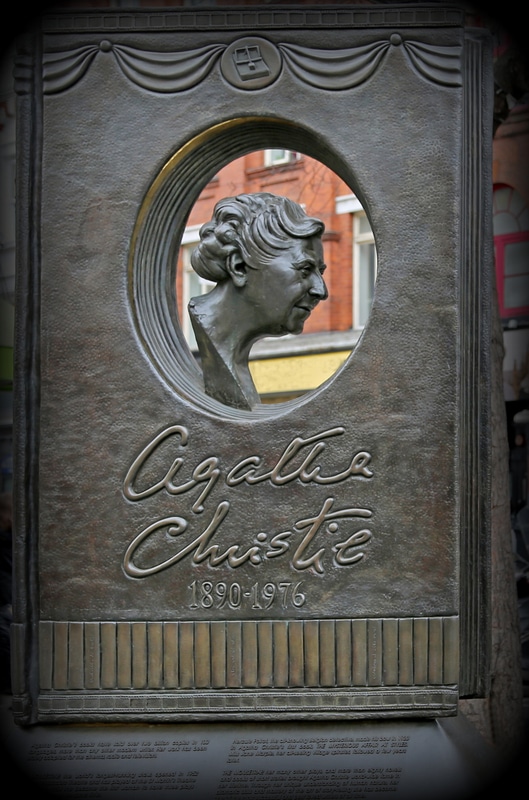
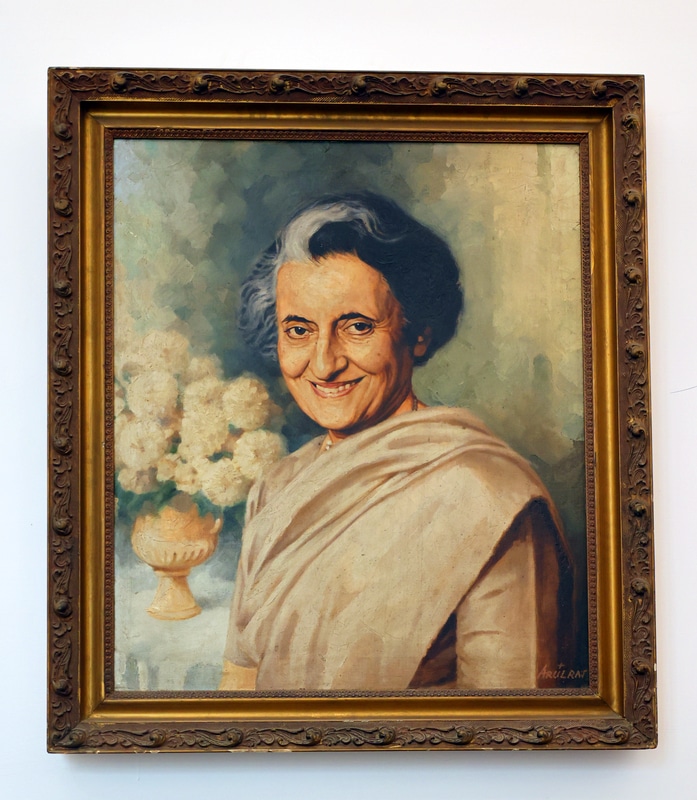
On this date in 1890, Agatha Mary Clarissa Miller was born in Torquay, England, the woman who would become Agatha Christie and the best selling novelist in history after the Bible and Shakespeare. She went on to write 66 detective novels and 14 short story collections, creating enduring figures such as Hercule Poirot and Miss Marple.

Her own life carried a strange echo of her fiction: in 1926 she vanished for eleven days, sparking a nationwide manhunt, before being found registered under an assumed name at a Yorkshire hotel, an episode that remains unexplained to this day.

London, Great Britain -May 25, 2016: Agatha Christie Memorial, memorial to author and playwright Agatha Christie, designed by sculptor Ben Twiston-Davies | ID 153687923 © Swetlana Mehlfeld | Dreamstime.com
ID 153687923 © Swetlana Mehlfeld | Dreamstime.com

⬅ See all events from 15 September

Spread the word on your favourite platform!

Eleven-year-old James Kirkpatrick was walking his dog behind Sussex Street in Sydney in September 1866 when he stumbled on a woman’s severed head half buried in a rubbish heap near Ebsworth’s tweed factory and Barker’s flour mills. Nearby lay her torso, its chest cavity completely emptied and the lower ribs charred. Despite police turning the rubbish heap over three times and combing the neighbourhood, no other body parts were ever recovered.

The case became known as the Sussex Street Mystery and gripped the colony as police pieced together the killing. It ended with the conviction and execution of a butcher, William Henry Scott, for the murder, making it one of colonial Australia’s most sensational and gruesome murder cases.

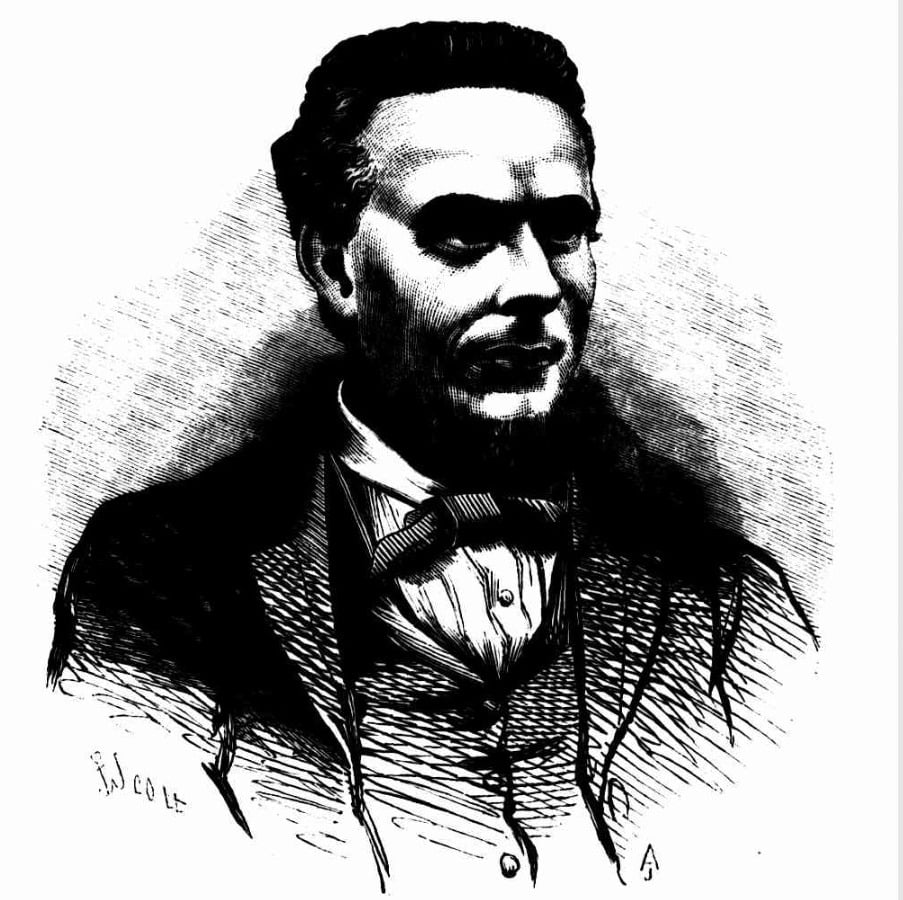
William Henry Scott under sentence of death 1867
William Henry Scott under sentence of death 1867 for murder most foul

⬅ See all events from 15 September

Spread the word on your favourite platform!
On This Day in True Crime History

Subscribe to Dark Stories

True crime stories, dark history and tour news, straight to your inbox.