Archives: Dark Stories: On This Day In True Crime History - Page 68
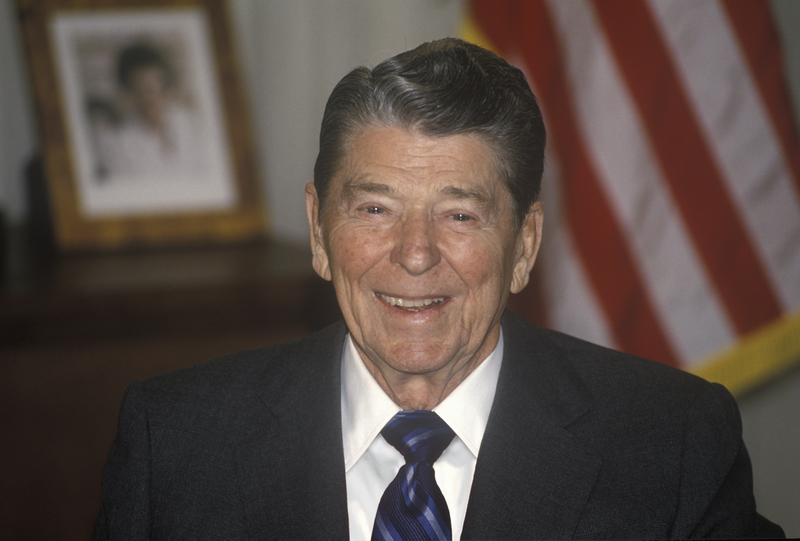
In March 1981, John Hinckley Jr. fired six shots at President Ronald Reagan outside a Washington D.C. hotel, wounding Reagan and three others. The attack was later revealed to be motivated by an obsession with actress Jodie Foster.
On 28 August 1981, Hinckley entered a plea of not guilty to charges of attempted assassination. He was ultimately found not guilty by reason of insanity in 1982 and was committed to St. Elizabeths Hospital, a psychiatric facility in Washington D.C.
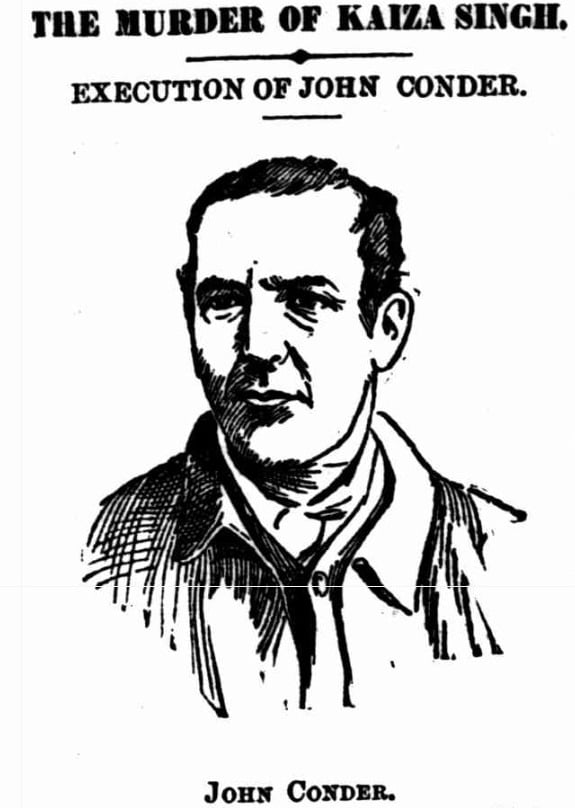
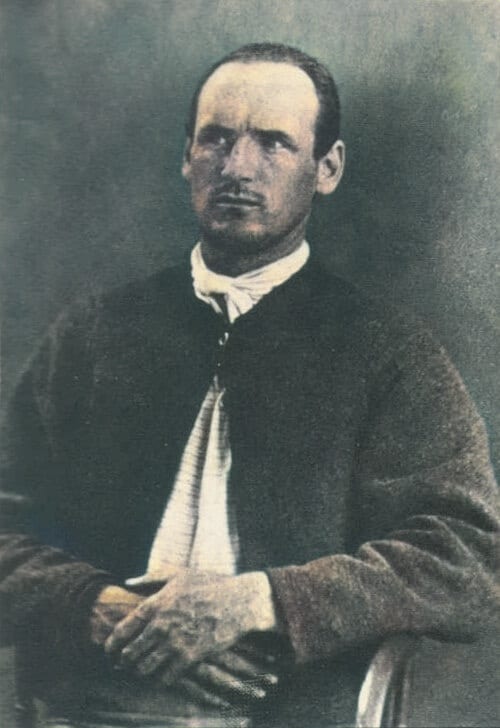
John Conder was hanged at Melbourne Gaol on 28 August 1893 for the murder of Kaiza Singh, a Hindu hawker, near Buchan in eastern Victoria. Several hundred people gathered outside the prison, and inside, around two dozen witnesses attended the execution.
Conder was led to the scaffold by the hangman and his assistant, both heavily bearded. A chaplain, recited prayers at the scaffold. When asked by the Sheriff if he wished to make a statement, Conder, who was hard of hearing, shook his head. The rope was placed around his neck and the cap drawn over his face.
Conder cried out “O God, have mercy on my soul” before the bolt was drawn.
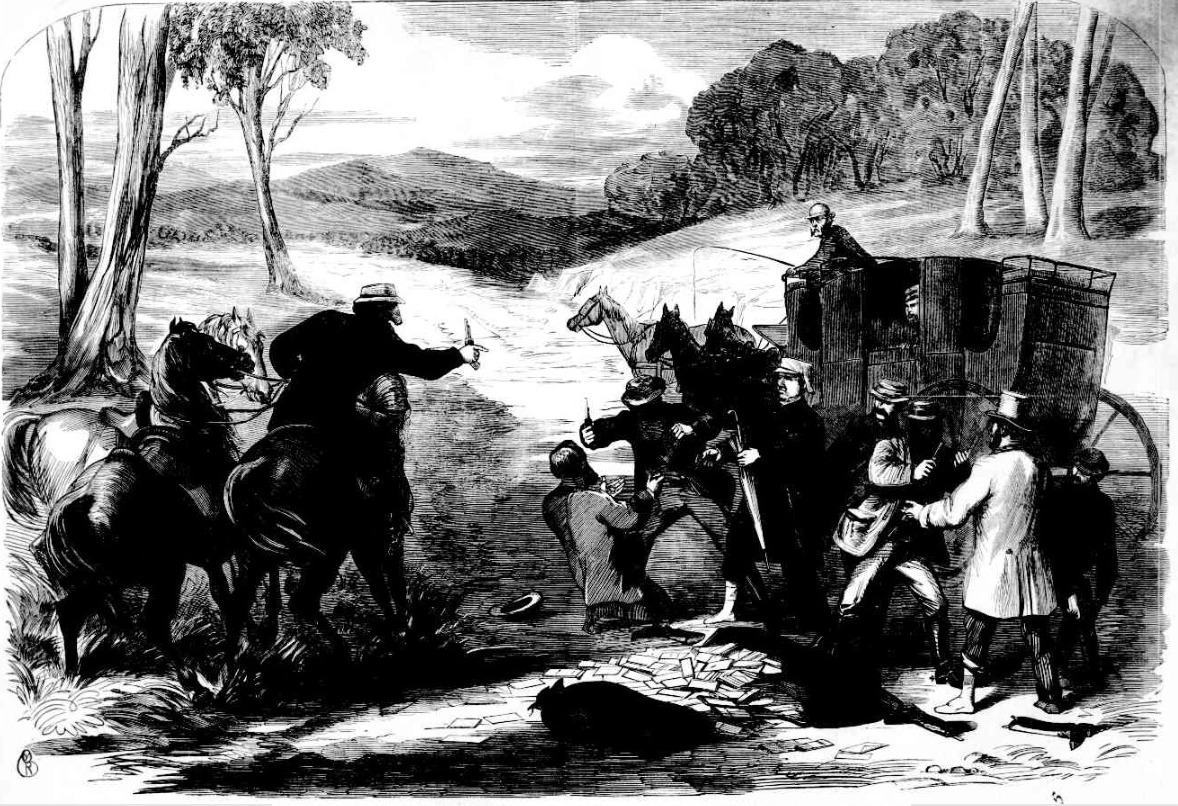
Frederick Turner, just 21 years old, was hanged at Melbourne Gaol on 28 August 1857 for robbery under arms on the Flemington Road. He and accomplices had robbed a labouring man near Flemington, and when the victim begged for the return of half a crown to feed his children, Turner drew a revolver and fired at his head. The ball glanced off, inflicting only a minor wound, but the intent was clear. Turner had arrived in Victoria as a free emigrant aboard the William Jardine in 1849, accompanied by his parents and brother.
Convicted at the Criminal Sessions of highway robbery and shooting with intent to murder, Turner went to the gallows clinging to hope of a reprieve that never came. He refused to reveal his real name, admitting only that idleness and dissolute company had been his ruin.
He maintained he had never intended to kill his victim, and this belief appeared to sustain a lingering, ill-founded hope that mercy would be shown to him in this world.
In early June 1808, Joseph Moreton purchased livestock worth 24 pounds, paying with a promissory note he endorsed on the spot without hesitation. The note later proved to be a forgery.
At trial before the Court of Criminal Jurisdiction in Sydney, multiple witnesses corroborated the transaction and the note was produced as evidence. Moreton claimed he had found it near a bridge in Sydney and held it for some days before passing it on. The court returned a verdict of guilty and a sentence of death. He was hanged on 28 August 1808.