Hamida Djandoubi went to the guillotine in France on this day in 1977, the last person ever executed by the device and the last person executed in France at all. He had been convicted of the murder of 21-year-old Elisabeth Bousquet, a crime that closed out nearly two centuries of the guillotine’s use as the instrument of French justice.

His execution marked a quiet historical hinge: within a few years France would abolish capital punishment altogether, in 1981, making Djandoubi’s death the final chapter of a punishment first adopted during the French Revolution.
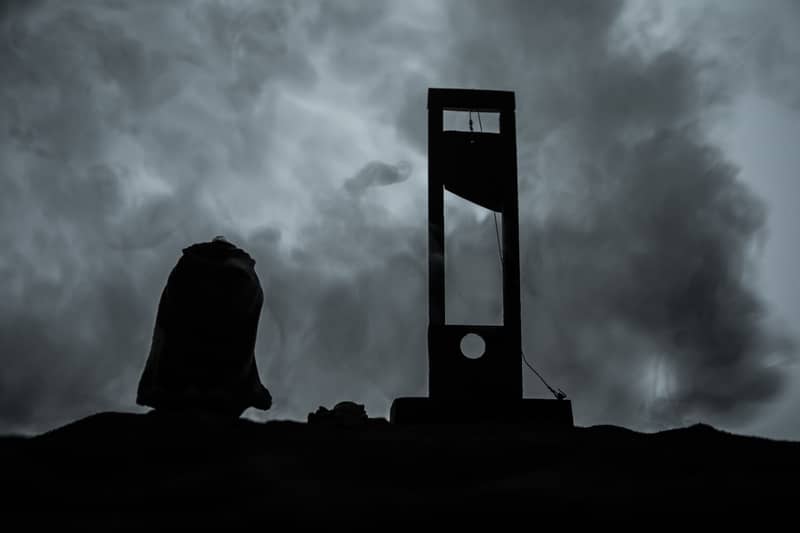

Close-up of a guillotine in dark foggy setting execution concept

⬅ See all events from 10 September

Spread the word on your favourite platform!

John Wayne Glover, 72, was found hanging from a shower rail in his cell at Lithgow prison in New South Wales. He had been serving life without parole for the murder of six elderly women on Sydney‘s North Shore between 1989 and 1990. The mayor of Mosman described his death as the end of a terrible era.

No evidence has ever surfaced that Glover killed before 1989, when he was 56 and had already been married for 20 years with children; his wife had no idea of the violence in his past. He only admitted to the murders once confronted with the police evidence against him.

Glover denied responsibility for other crimes in which he was a prime suspect. Years after his conviction, he admitted he never worried about who his victims were or why he killed them; he said he wanted to stop but could not, and simply returned to his normal life after each murder.

Prison Cell
Prison Cell

⬅ See all events from 9 September

Spread the word on your favourite platform!

On September 9, 1971, inmates at Attica Correctional Facility in New York seized control of the prison, taking dozens of guards and staff hostage in protest over brutal conditions, overcrowding, and demands for basic political and civil rights. For four days the prisoners held the yard, negotiating with officials and issuing a list of demands broadcast to the watching public.

On September 13, on the order of Governor Nelson Rockefeller, state troopers and police stormed the facility, opening fire on inmates and hostages alike. By the time the smoke cleared, 39 people were dead, including ten hostages, most killed not by prisoners but by the retaking force’s own gunfire.

The riot remains one of the deadliest prison uprisings in American history and exposed the brutal conditions inside Attica, triggering decades of lawsuits, investigations, and a landmark settlement for survivors and victims’ families.

Prison Inmate
Prison Inmate

⬅ See all events from 9 September

Spread the word on your favourite platform!

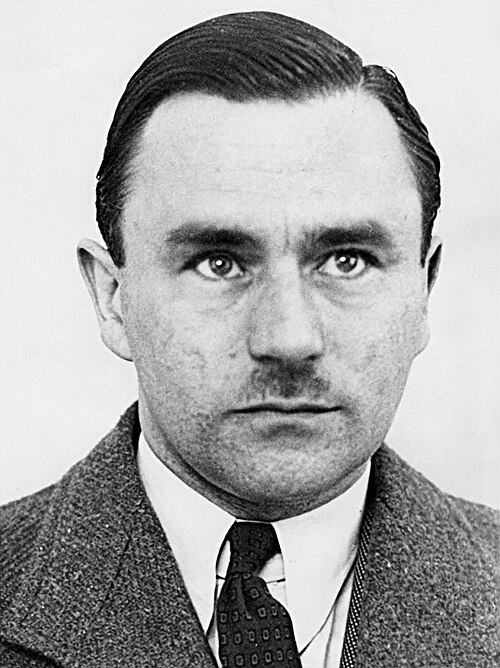
John Haigh, a convicted fraudster, murdered his former employer William ‘Mac’ McSwan and dissolved his body in a barrel of sulphuric acid. Haigh later claimed the killing was driven by a compulsion he called blood lust, but McSwan had money and property, and the murder looks less like madness than a calculated escalation of Haigh’s earlier fraud schemes.

Tellingly, whatever ‘compulsion’ Haigh described did not resurface until the cash from the McSwan killing had run out, suggesting the acid barrel was less about bloodlust and more about a ruthless, practical solution to funding his lifestyle.

Portrait of john george haigh - acid bath murderer. Public Domain.
Portrait of john george haigh – acid bath murderer. Public Domain.

⬅ See all events from 9 September

Spread the word on your favourite platform!
On This Day in True Crime History
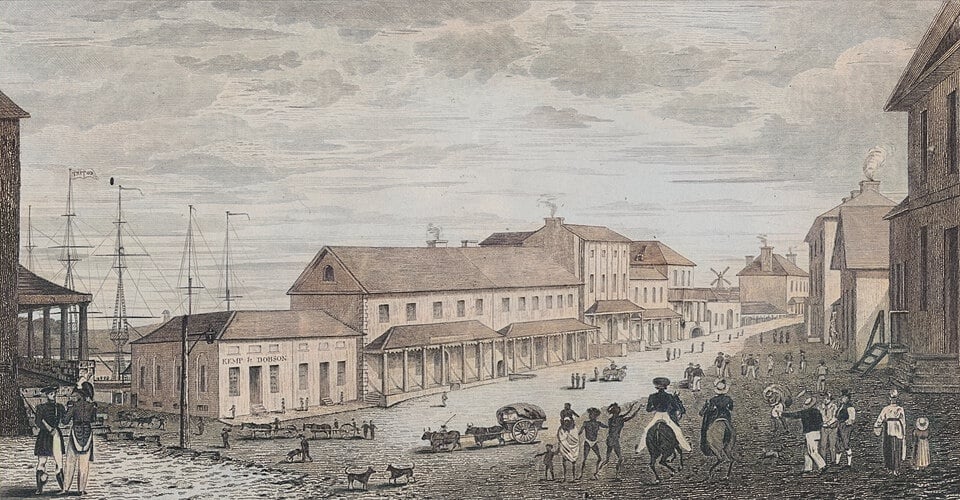
1829·Beaten Unconscious Within Sight of the Gaol Wall: Hanged in Sydney for a Brutal Robbery
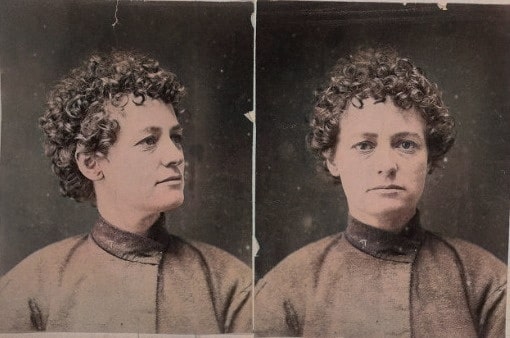
1894·Caught Serving Poisoned Tea: Martha Needle Hanged in Melbourne for a Family Poisoning Spree
More Crime On This Day →

Subscribe to Dark Stories

True crime stories, dark history and tour news, straight to your inbox.