When lookouts aboard HMS Dido spotted flames rising from a home near Auckland on 22 October 1847, sailors raced ashore to find Lieutenant Robert Snow, his wife Hannah and their young daughter Mary butchered, with flesh cut from each body and the house set alight. The staging was deliberate: ship’s carpenter Joseph Burns had mutilated the family to make the killings look like a Maori attack, hoping to steal the twelve pounds in naval pay kept in the house and spark fears of an uprising that gripped Auckland for weeks.

With Maori leaders unable to produce a culprit, suspicion only turned to Burns after he coerced his partner, Margaret Reardon, into backing a false confession blaming two innocent neighbours. Mid trial, word reached the court that Burns had cut his own throat in a failed suicide attempt, and in its aftermath he retracted the accusation. Reardon then testified against him, and Burns was convicted and hanged the following June, becoming the first European executed in New Zealand.

Burns went to the gallows having made a full confession, though it unfairly implicated Reardon, who was later convicted of perjury and transported to Tasmania.
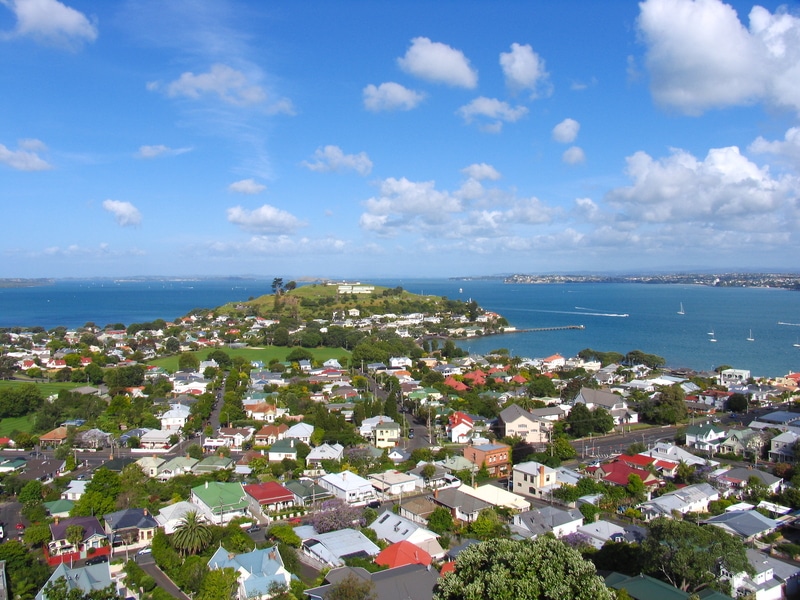

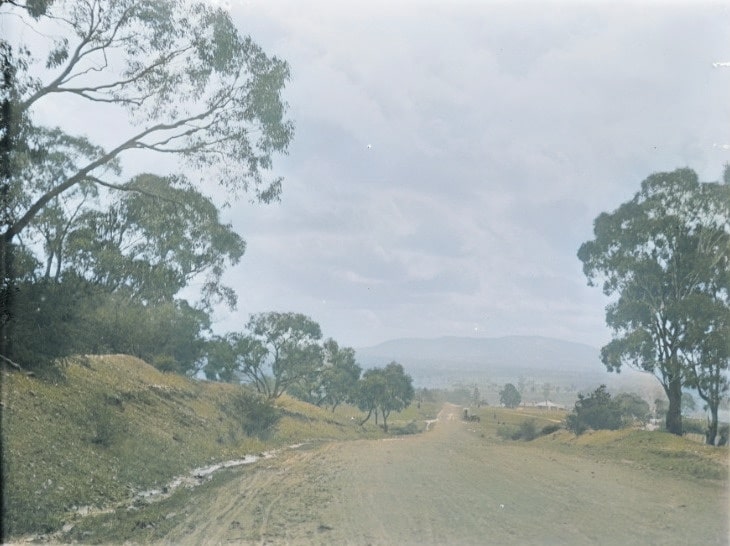
Devonport, New Zealand, Today

⬅ See all events from 22 October

Spread the word on your favourite platform!

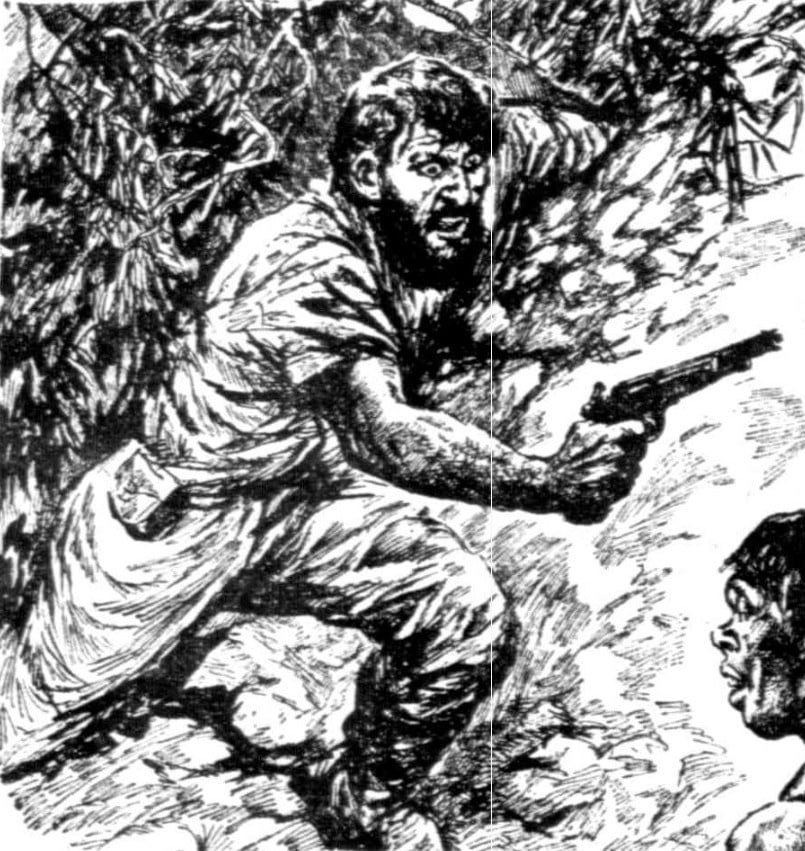
Michael Howe styled himself the Governor of the Ranges and spent years terrorising colonial Tasmania at the head of a bushranging gang, turning on his own allies whenever it suited his hold on command. When two kangaroo hunters, Worrall and Pugh, finally cornered and killed him on 21 October 1818, his knapsack was found to hold a crude journal bound in kangaroo skin and written in kangaroo blood.

The little book revealed a man haunted by his own crimes: dreams of being murdered, of dead comrades, of narrowly escaping capture, and, in one unexpected line, of the sister he had left behind. Alongside the dreams were long lists of seeds and flowers, the quiet fantasy of a killer who always meant to vanish into the bush and farm it in peace. Howe never got the chance; after Pugh clubbed him to death, his head was carried to Hobart to claim the reward on his life.

The reign of terror by the king of the ranges newspaper article 1954

⬅ See all events from 21 October

Spread the word on your favourite platform!

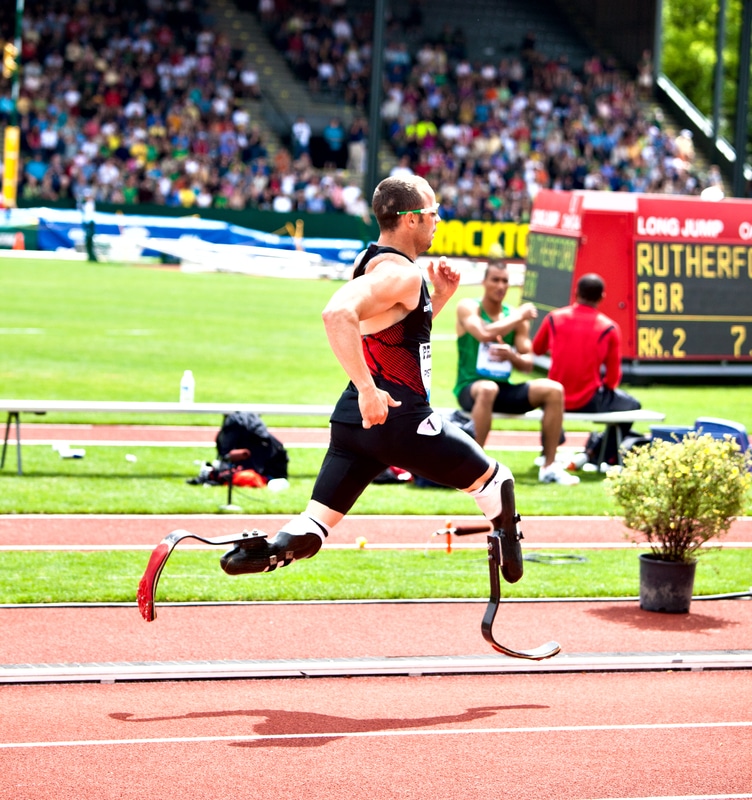
Oscar Pistorius, the South African Paralympic sprinter known as the Blade Runner, shot his girlfriend Reeva Steenkamp four times through a locked bathroom door at his Pretoria home, insisting he believed an intruder was inside. A court accepted the defence and convicted him only of culpable homicide, the South African equivalent of manslaughter.

On 21 October 2014 he was sentenced to a maximum of five years imprisonment, and was released on parole for good behaviour within a year. In December 2015 an appeals court overturned the lesser verdict entirely, finding that Pistorius had in fact committed murder, and sent the case back for a harsher sentence.

Oscar Pistorius. Oscar Leonard Carl Pistorius (born 22 November 1986) is a South African sprint runner. Known as the Blade Runner and the fastest man on no legs, Pistorius, who has a double amputation, is the world record holder in the 100, 200 and 400 metres (sport class T44) events and runs with the aid of Cheetah Flex-Foot carbon fibre transtibial artificial limbs by Ossur. | ID 21041028 © Valentin M Armianu | Dreamstime.com
ID 21041028 © Valentin M Armianu | Dreamstime.com

⬅ See all events from 21 October

Spread the word on your favourite platform!

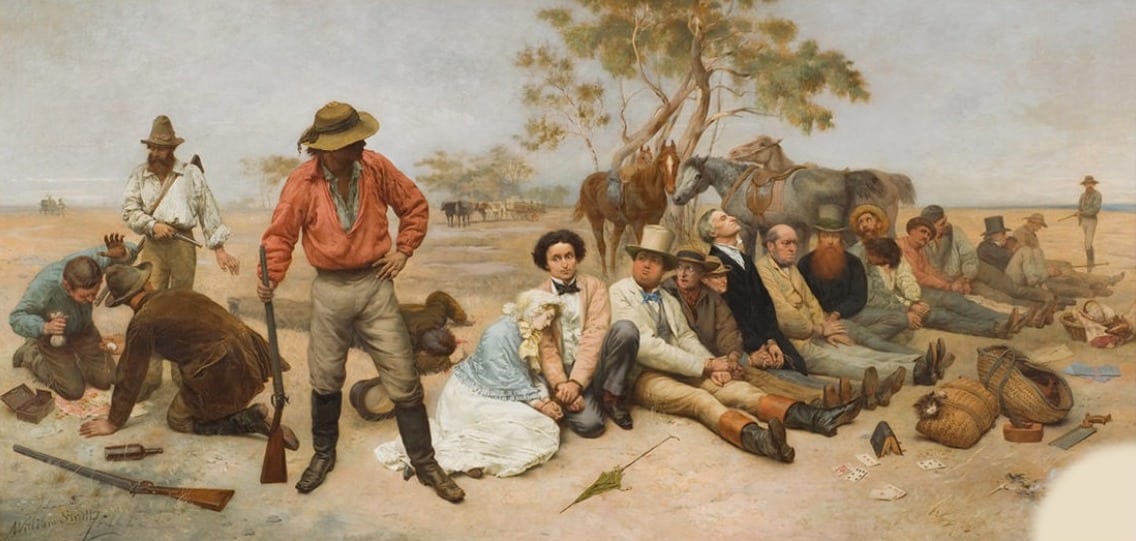
Patrick Curran was a notorious bushranger who terrorised the colony’s roads and outstations, once storming a property with a loaded gun levelled at the overseer before he was overpowered, wounding one of his captors with the stock of his musket in the struggle. Sentenced to death, he escaped from his escort between Picton and Sydney that April, prompting a thirty pound reward before he was run down and returned to custody.

On the morning of 21 October 1841, Curran was hanged at Berrima. His final days swung between violent despair, so bad the attending clergymen were twice ordered from his cell, and sudden, sincere penitence that lasted through the night before his death.

On the scaffold, Curran confessed to the murder of a man named Fuller, a crime for which another man, Bright, had already been tried and transported for life in his place.

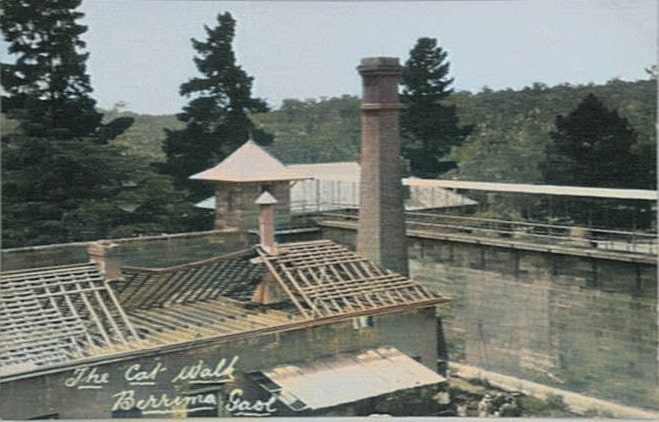
The Cat Walk inside Berrima Gaol prison yard Australia circa 1914 1941

⬅ See all events from 21 October

Spread the word on your favourite platform!
On This Day in True Crime History
1853·"Thank You, My Lord, I Am Very Glad of That Sentence": Bushrangers Hanged in Melbourne
1884·He Swore to Shoot Whoever Bought His Farm, and Kept His Word: Hanged in Melbourne
1892·"The Only Man on the Station That I Liked": Hanged in Brisbane for a Torres Strait Murder
1892·A Mutilated Body in a Trunk: Sailor Hanged in Brisbane for Murder at Sea
1895·George Dean, Pardoned for Poisoning His Wife, Convicted of Perjury in Sydney
More Crime On This Day →

Subscribe to Dark Stories

True crime stories, dark history and tour news, straight to your inbox.