1864: Christopher Harrison Hanged at Melbourne Gaol for Shooting His Business Partner

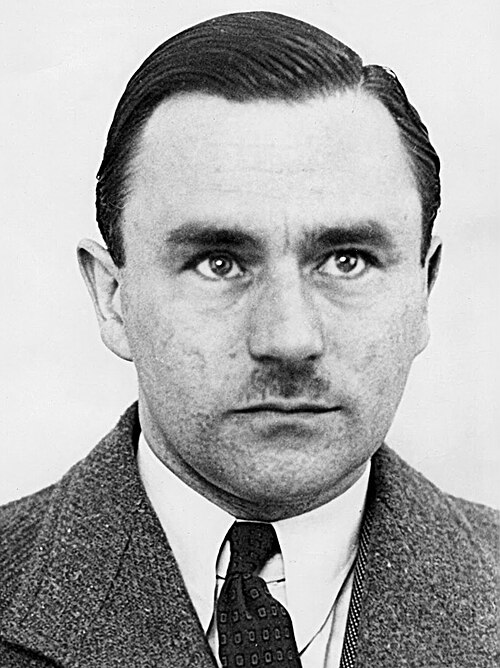
Christopher Harrison and James Marsh held a government contract to clear Section No. 4 of the Jordan track near Melbourne. Marsh had failed to deposit funds to honour the workers’ cheques, leaving Harrison besieged by unpaid men. When the two met to settle the dispute, with contractor John Stewart present as arbitrator, Marsh refused to sign papers. Harrison drew a pistol, remarking: “Do you think such a wretch is fit to live? I don’t.” Marsh fell while trying to use a bystander as a shield, and Harrison shot him where he lay.

An inquest before Dr. Youl at the Sir Charles Hotham Hotel on Flinders Street returned a verdict of wilful murder. Harrison was described as composed, even nonchalant, as the evidence against him was heard. He was convicted and hanged at Melbourne Gaol on 3 August 1864.


Christopher Harrison Hanged at <a href='https://darkstories.com.au/melbournes-true-crime-tour/' target='_blank' rel='noopener noreferrer'>Melbourne</a> Gaol for Shooting His Business Partner

⬅ See all events from 3 August

Spread the word on your favourite platform!
True Crime Scene Tape

1869: James Ritson Hanged at Melbourne Gaol for the Murder of a Prison Chaplain

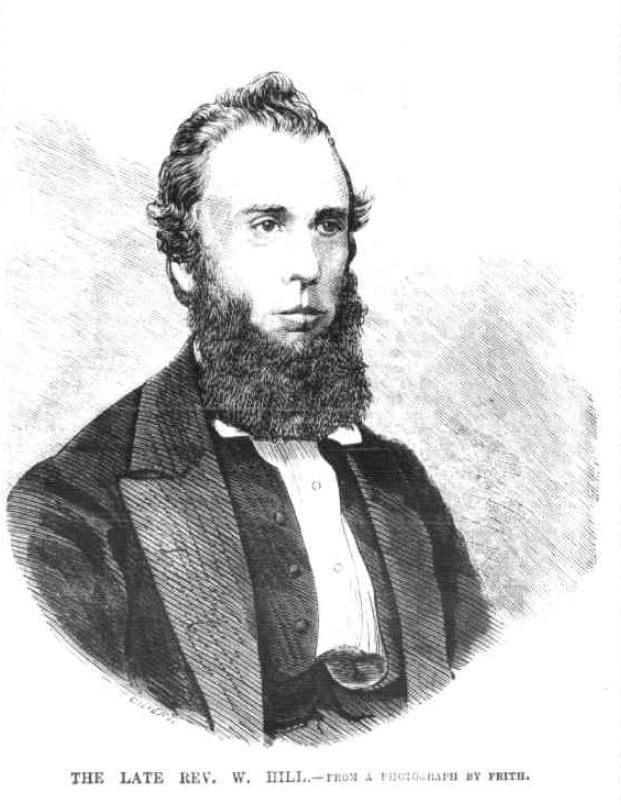
James Ritson, a prisoner at Pentridge Stockade already serving time for shooting a market inspector, killed the Reverend William Hill inside his solitary confinement cell in July 1869. Hill, the Wesleyan chaplain and superintendent of the second Wesleyan Circuit, had entered the cell alone to offer religious instruction. Ritson attacked him with a bed hinge he had wrenched free, battering in the chaplain’s skull. A warder heard Hill cry out “Mercy, man” but mistook it for prayer; by the time he forced the barricaded door open, Hill was dying on the floor in a pool of blood.

Hill had served the colony for fourteen years, was acting editor of the Wesleyan Chronicle, and left four young children orphaned, their mother having died only months earlier. He was buried at Melbourne Cemetery on 15 July 1869. Ritson, described at the time as a homicidal maniac, was hanged at Melbourne Gaol on 3 August 1869.

The Late Reverend Hill

⬅ See all events from 3 August

Spread the word on your favourite platform!
True Crime Scene Tape

1916: Knighted Diplomat Hanged for Treason After Failed Easter Rising Mission

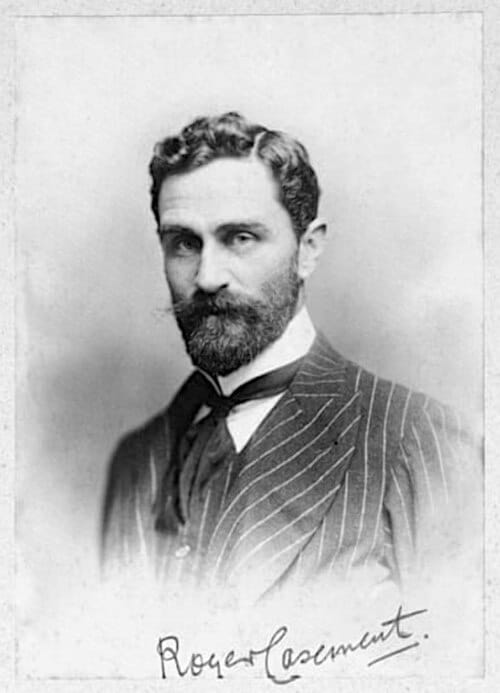
Sir Roger Casement, the British consul who had been honoured for exposing colonial atrocities in the Congo and Peru, was hanged at Pentonville Prison in London on 3 August 1916. Once celebrated as the ‘father of twentieth-century human rights investigations’, he had spent the war years seeking German military support for the Easter Rising before being arrested on the Kerry coast just days before the uprising began.

Stripped of his knighthood, he was tried and convicted of high treason. During and after the trial, British intelligence circulated typescripts of private journals, said to be in Casement’s hand, that detailed homosexual activity. The material, illegal under the laws of the time, was used to undermine calls for clemency. He was executed at 49, and the authenticity of those diaries has been disputed by scholars ever since.

Portrait of Sir Roger Casement in formal attire

⬅ See all events from 3 August

Spread the word on your favourite platform!
True Crime Scene Tape

1807: Aaron Burr on Trial for Plotting the Secession of New England

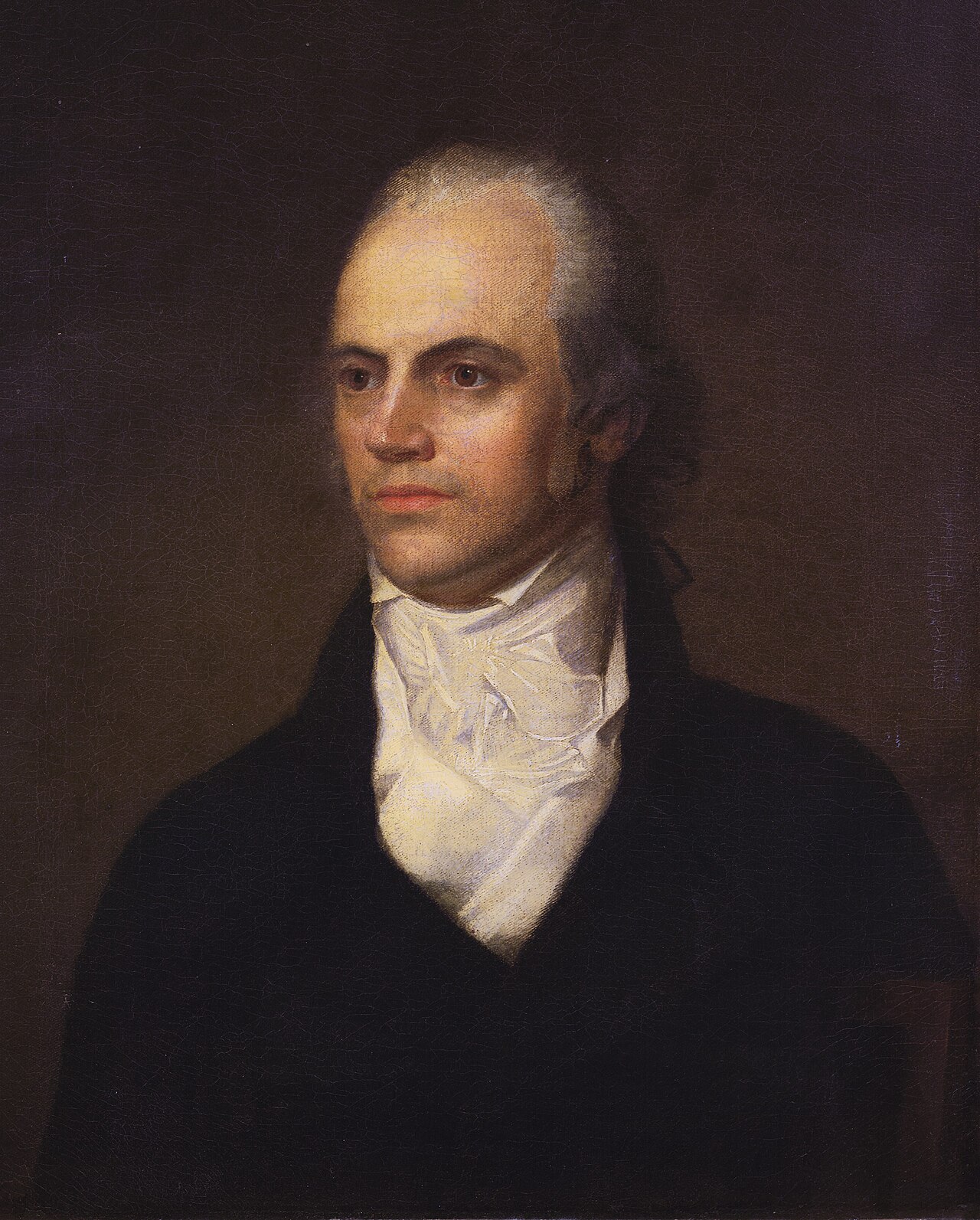
Aaron Burr, former Vice President of the United States, stood trial beginning 3 August 1807, accused of conspiring to engineer the secession of New England and carve out an independent empire in the American west. The charges grew from years of suspicion surrounding his political ambitions and alleged dealings with foreign powers after his catastrophic fall from grace following the fatal duel with Alexander Hamilton in 1804.

The trial, presided over by Chief Justice John Marshall in Richmond, Virginia, became one of the most closely watched legal proceedings in early American history. Burr was ultimately acquitted on the treason charge, Marshall ruling that the prosecution had failed to prove an overt act of treason as required by the Constitution.

1803 Painting of Aaron Burr

⬅ See all events from 3 August

Spread the word on your favourite platform!
True Crime Scene Tape
On This Day in True Crime History
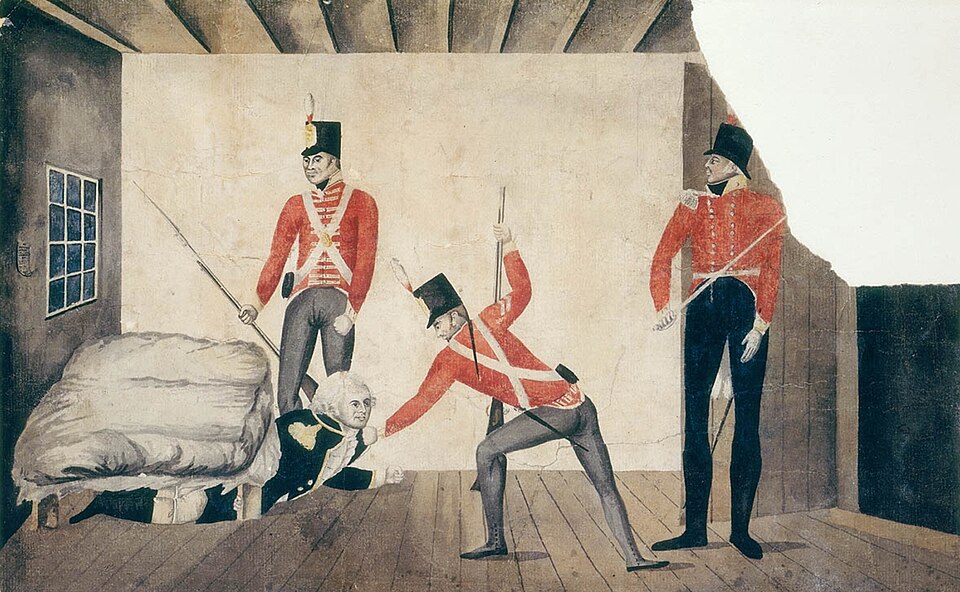
1754·Born to Mutiny Twice: Captain William Bligh, Survivor of the Bounty and the Rum Rebellion in Sydney
1902·"Me Done It, and I Am Satisfied": The Chilling Calm of a Perth Murder
More Crime On This Day

Subscribe to Dark Stories

True crime stories, dark history and tour news, straight to your inbox.