On September 19, 1980, Veronica Compton attempted to strangle a 26-year-old woman at a motel in Bellingham, Washington. The attack was part of a plot to convince authorities that imprisoned Hillside Strangler Kenneth Bianchi was innocent—and that the real killer remained at large.

Bianchi had supplied Compton with a semen-filled condom concealed in the spine of a book. She was to plant its contents at the scene of a staged rape and murder, creating false evidence to cast doubt on his guilt. But the woman survived, and the scheme unravelled.

Compton was convicted of first-degree attempted murder in March 1981. She remained imprisoned until 2003.


Close-up of worn book spine titled Modern English Drama

⬅ See all events from 19 September

Spread the word on your favourite platform!

Patty Hearst, granddaughter of newspaper magnate William Randolph Hearst, was abducted from her Berkeley apartment in February 1974 by the self-styled Symbionese Liberation Army, a small but violent radical cell. Within weeks the group released tapes in which she renounced her family and adopted the nom de guerre Tania, and in April 1974 she was photographed wielding a rifle during the SLA’s armed robbery of a Hibernia Bank branch in San Francisco.

For nineteen months Hearst remained with her captors turned comrades as the group moved between safe houses, evading one of the largest manhunts in FBI history. She was finally arrested in San Francisco on September 18, 1975, and later stood trial for bank robbery, where her defence argued she had been brainwashed and coerced.

Convicted despite that defence, Hearst was sentenced to prison, but her sentence was commuted by President Jimmy Carter and she was granted a full pardon by President Bill Clinton in 2001.

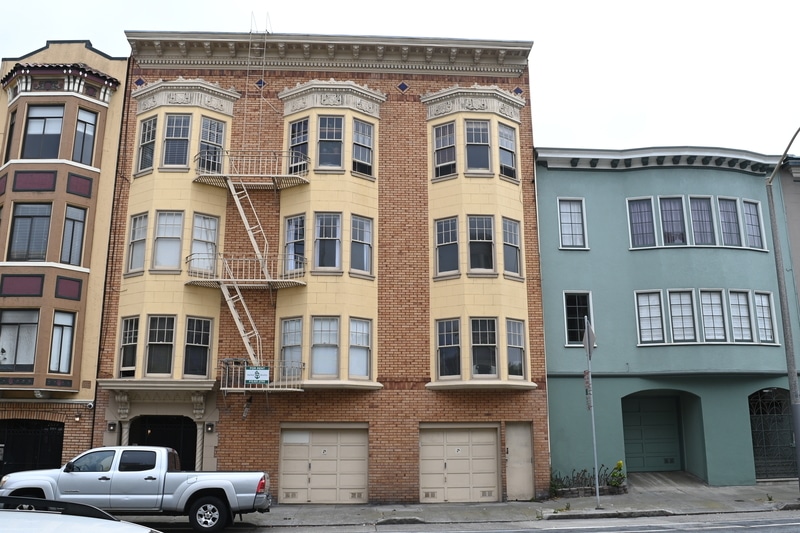
Patty Hearst hideout, Golden Gate Avenue, San Francisco

⬅ See all events from 18 September

Spread the word on your favourite platform!

At 4 a.m. on 25 July 1916, three revolver shots rang out at the Queen Victoria Market in Melbourne. Joseph (Giuseppe) Lauricella, a 32 year old Carlton fruiterer buying tomatoes for his shop, fell dead with wounds to the head and neck. His killer, laborer Antonio Picone, fled through a market shed still clutching a smoking revolver before being tackled and held by a bystander, until police arrived.

Picone, wearing a military reject badge in his lapel, was hauled before the City Court that same day. When the charge was read he insisted, “I didn’t do it,” yet detectives testified he had already told them why he pulled the trigger: “He robbed me of my bread, disgraced me, ruined the whole of my life.”

Despite his courtroom denial, Picone had already given detectives his own account of the killing, telling them plainly it was revenge for the ruin of his livelihood and reputation. Picone was convicted of murder and hanged at Melbourne Gaol on 18 September 1916.

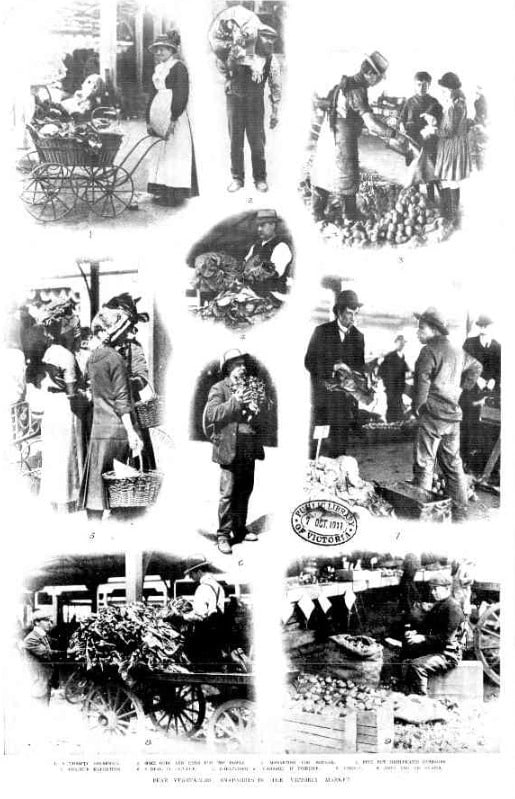
Victoria Market Melbourne 1911 Still In Operation Today

⬅ See all events from 18 September

Spread the word on your favourite platform!

On September 18, 1826, nine convicts went to the gallows together in Hobart under Lieutenant-Governor George Arthur’s ruthless enforcement of Britain’s Bloody Code, the doctrine that made property crime a capital offence equal to murder. Not one of the nine had killed anyone: George Farquharson, Robert Cable, Thomas Savell, John Davis and John Cruitt were hanged for sheep stealing, John Penson, Timothy Swinscow and William Wickens for burglary, and James Rowles for theft.

The hangings were part of the largest cluster of executions recorded in Van Diemen’s Land that year, twenty three people put to death over a single fortnight in mid September 1826. Earlier hangings that month, on September 13, had targeted actual killers; those on September 15 and 18 were reserved entirely for non-violent property offenders, a deliberate signal from Arthur to a colony economically dependent on settler flocks and stores.

Sheep stealing in particular was treated by the colonial administration as an existential threat to the fledgling economy of the penal settlement, and the September 18 executions were designed as a public deterrent to convicts tempted to raid the herds and homes of free settlers.

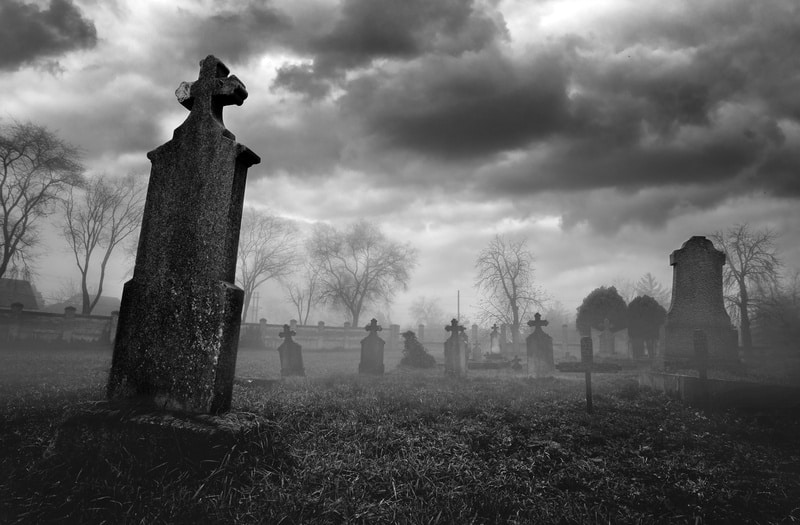
1826 in the Hobart Colony

⬅ See all events from 18 September

Spread the word on your favourite platform!
On This Day in True Crime History

Subscribe to Dark Stories

True crime stories, dark history and tour news, straight to your inbox.