The Grand Hotel in Brighton was packed with Britain’s Conservative leadership for their annual conference when a long-delay bomb, planted by the Provisional IRA weeks earlier in a guest room, tore through the building in the early hours. Margaret Thatcher was still awake working on her conference speech in the room next door and escaped with only cuts, but five people died in the rubble and 31 more were injured, some permanently maimed.

The bomber, Patrick Magee, had checked into the hotel under a false name and set the timer so far in advance that he was long gone before it detonated. The IRA’s chilling statement afterward noted that Thatcher had been lucky that day, but they would only need to be lucky once. Magee was later caught through forensic evidence left on the bomb casing and convicted for the attack.
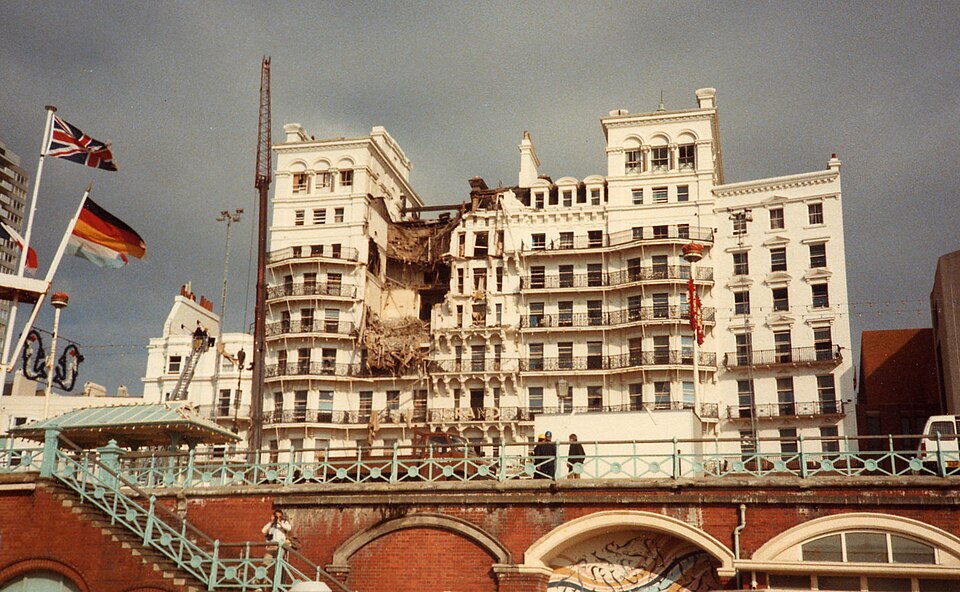

Grand Hotel, Brighton, after the bombing, 1984. Photo: D4444n / Wikimedia Commons, CC BY-SA 3.0 (creativecommons.org/licenses/by-sa/3.0/).

⬅ See all events from 12 October

Spread the word on your favourite platform!

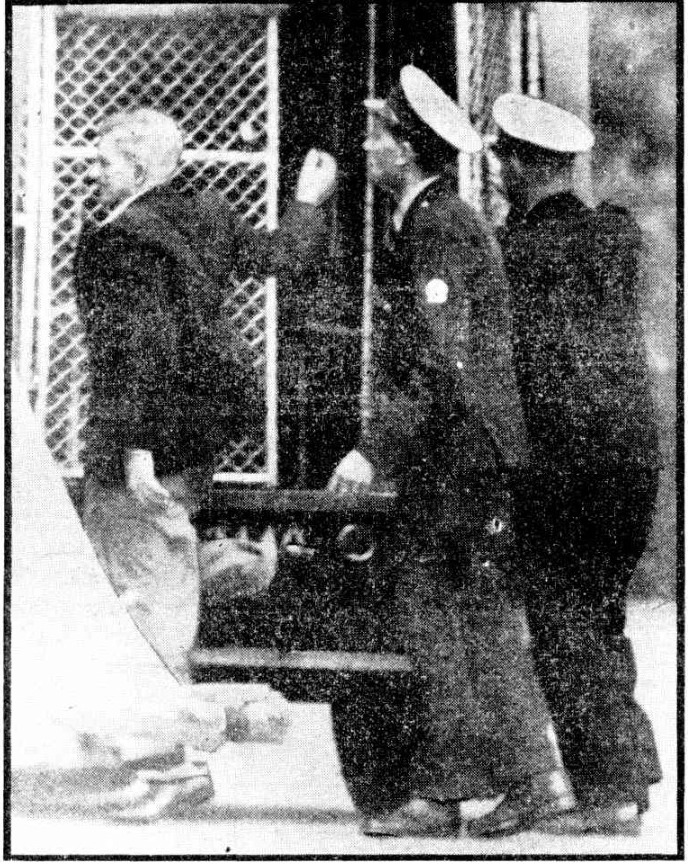
On 12 October 1950, at Collie, near Perth, milk carter Raymond Armanasco murdered several members of his family. His own defence counsel told the jury it was possibly the most gruesome case ever unfolded in a Western Australian court, and argued Armanasco had been temporarily insane.

Through two days of evidence at his trial, Armanasco spoke only two words: “not guilty.” The jury took just forty minutes to convict him of murder, but attached to its verdict the “strongest recommendation for mercy.” He was sentenced to hang, yet in April 1951 the Executive Council accepted that plea and commuted his death sentence to life imprisonment with hard labour.

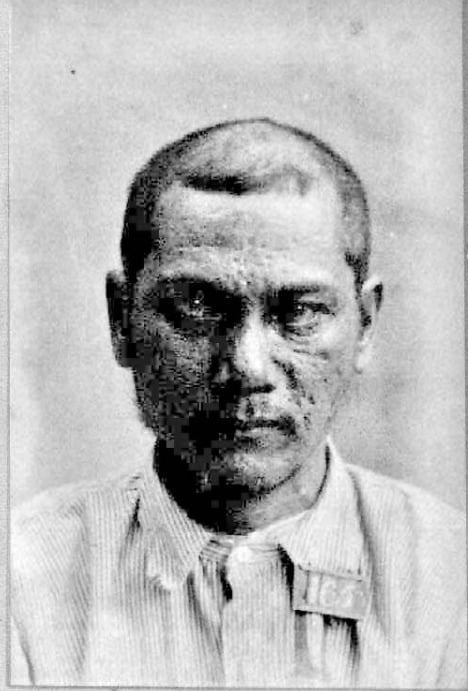
Raymond Armanasco arrives at court Perth 1950

⬅ See all events from 12 October

Spread the word on your favourite platform!

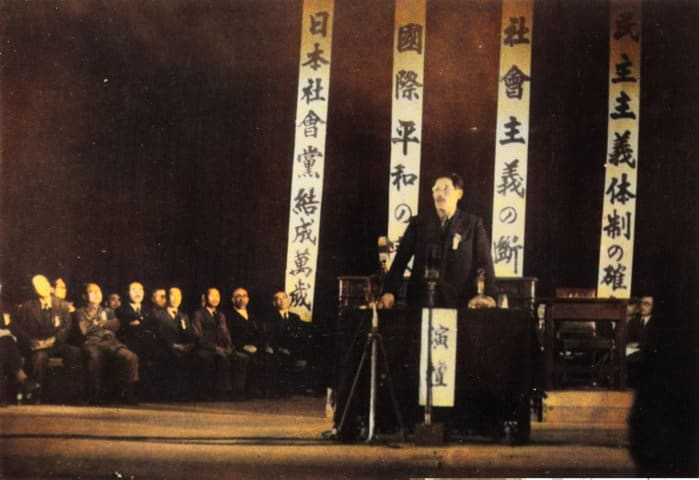
Inejiro Asanuma, leader of the Japan Socialist Party, was mid speech at a political debate in Tokyo on 12 October 1960 when a seventeen year old ultranationalist named Otoya Yamaguchi sprinted across the stage and drove a short samurai sword into his chest, twice. Cameras were rolling for a live broadcast, and the killing was captured in full, shown and reshown to a horrified nation.

Yamaguchi was no stranger to the far right; he had trained with militant nationalist groups and viewed Asanuma, who had made friendly overtures toward Communist China, as a traitor to Japan. Arrested at the scene, he spent weeks in juvenile detention before hanging himself in his cell with a bedsheet, leaving behind a message of loyalty to the emperor.

His death meant he was never tried, and the killing remains one of the most notorious political murders of postwar Japan, preserved on film as it happened.

Inejiro Asanuma founds a new political party in 1945

⬅ See all events from 12 October

Spread the word on your favourite platform!

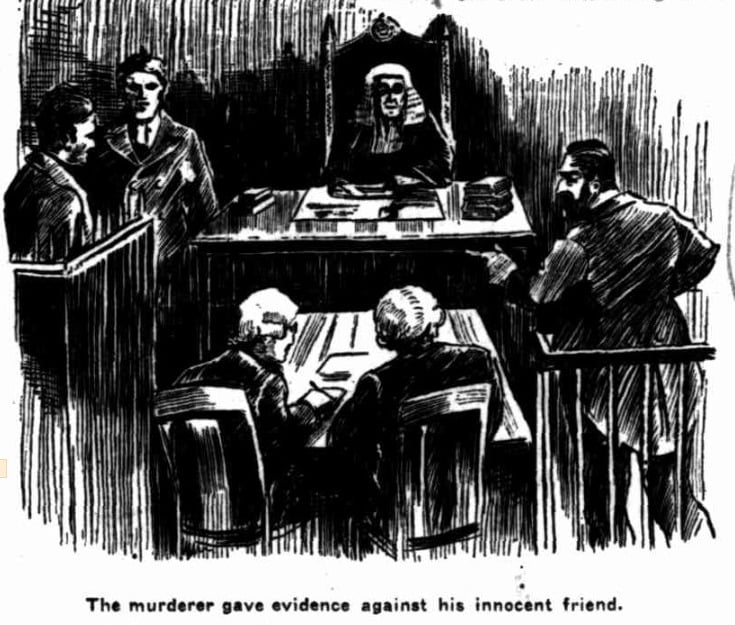
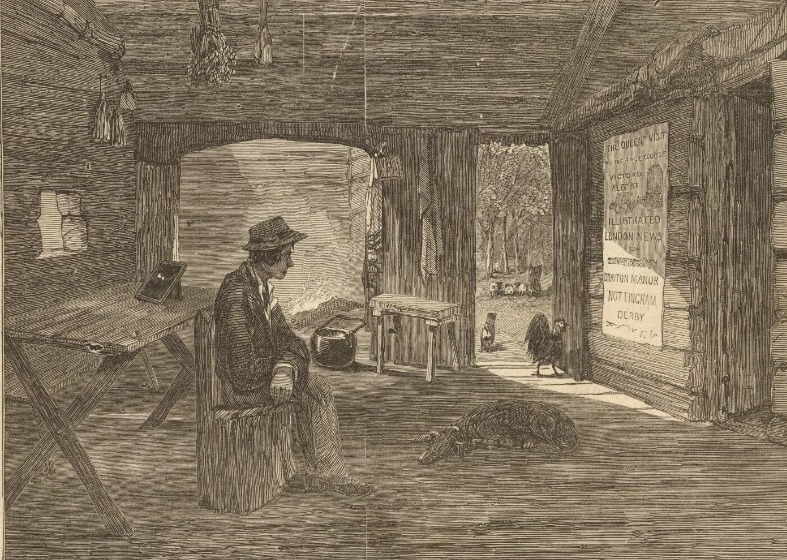
Edward Bishop was a ticket-of-leave convict working at York, east of Perth, when he fell into a bitter feud with a Chinese cook named Ah Chong. When the man turned up bludgeoned and dumped in the Avon River in 1854, a bloodied axe was found hidden in Bishop’s room, his clothes had been freshly washed, and his own drunken threats against Ah Chong were repeated back to him in court.

The evidence was entirely circumstantial, but the jury took twenty minutes to convict him, and he was hanged near the causeway at Perth. Bishop never wavered. Nobody believed him then, but three years later his own hut-mate, William Voss, confessed to the murder, admitting he had planted the axe among Bishop’s belongings. Voss himself was hanged in 1862 for killing his wife.

On the scaffold, Bishop raised his hand and declared, “I assert in the presence of God that I did not commit the murder. I am dying innocent of crime, and I do not fear death”.

Innocent Edward Bishop betrayed.

⬅ See all events from 12 October

Spread the word on your favourite platform!
On This Day in True Crime History
1816·He Blamed His Mate for the Shot, But It Was His Own Gun That Fired: Triple Hanging in Sydney
1895·"Look, Jimmy": The Chilling Instant Before a Fatal Tomahawk Attack Near Mount Morgan, Hanged in Brisbane.
1895·"A Feeling of Relief": Hanged in Melbourne for Drowning a Family Member
1993·11-04 | 1993 Two More Victims Discovered: The Backpacker Murders in the Forest South-West of Sydney
More Crime On This Day →

Subscribe to Dark Stories

True crime stories, dark history and tour news, straight to your inbox.