On 15 October 1769, during his first voyage along the coast of New Zealand, Lieutenant James Cook watched a group of Maori men attempt to seize a servant from his landing party and haul him away in a canoe. The attempt failed and the servant was recovered, but Cook marked the spot on his chart with a name that stuck: Kidnappers Bay.

According to the Maori version of events recorded at the time, the men believed they were not abducting a stranger at all, but rescuing a Maori boy they thought was being held captive aboard the English ship. The misunderstanding, born of two cultures reading the same scene in entirely different ways, turned a rescue attempt into what the English recorded as a kidnapping.


Cape Kidnappers View

⬅ See all events from 15 October

Spread the word on your favourite platform!

James Gardiner, a 19-year-old cabman, lived off the earnings of a woman known as German Ada in a Rockhampton brothel. On the night of 21 August 1883 a drunken quarrel turned fatal: he kicked and stamped her to death. Police tried to suppress the story, closing the inquest to reporters, but a neighbour who had heard her screams and been waved off by a constable made sure it got out anyway.

Gardiner was sentenced to death by Justice Pring and hanged at Brisbane Gaol alongside two other condemned men. Among those at the gate stood Charles Muller, an elderly German man and father of the dead woman, whose real name was Matilda. He had asked to watch his daughter’s killer die, stood opposite the scaffold through the execution, then pushed forward to view the body and walked away looking, witnesses said, satisfied.

Gardiner never denied killing her, pleading only that he had been drunk, and spent his last days exhorting the two men hanged beside him to repent.

Elderly man with long beard isolated on white background

⬅ See all events from 15 October

Spread the word on your favourite platform!

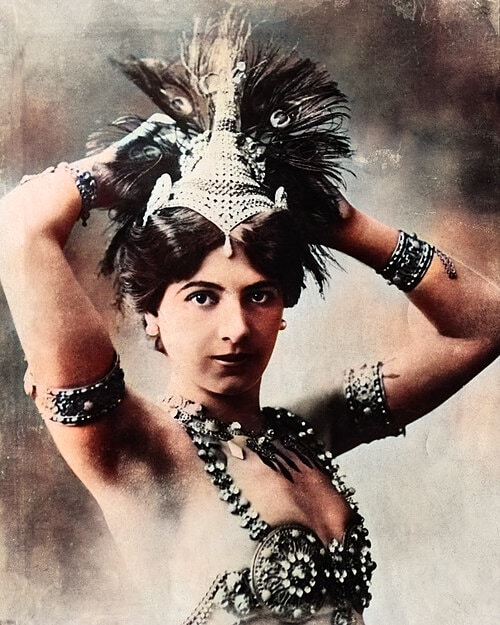
She was born Margaretha Zelle in the Netherlands and reinvented herself in Paris as Mata Hari, an exotic dancer whose stage act and string of wealthy, often military, lovers made her a sensation across Europe. When war came, French intelligence suspected she was selling pillow talk to Germany.

The evidence against her was thin and largely circumstantial, built on intercepted telegrams and a reputation for scandal rather than proof. A French military tribunal convicted her of espionage anyway, and she was executed by firing squad outside Paris on 15 October 1917.

She refused a blindfold and reportedly blew a kiss to the soldiers before they fired, going to her death still insisting she had never betrayed France.

Mata Hari - 1910
Mata Hari – 1910

⬅ See all events from 15 October

Spread the word on your favourite platform!

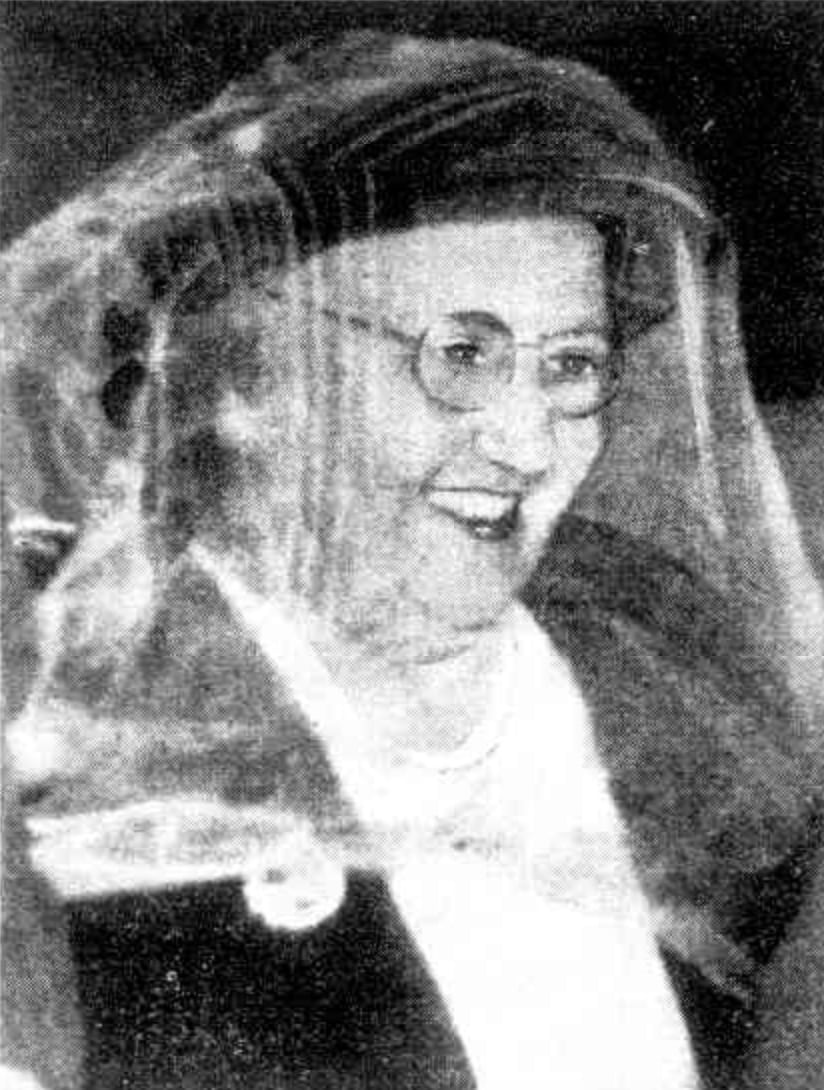
Caroline Grills was the kind of woman neighbours trusted: she brought cups of tea and homemade treats to relatives and friends, and several of them sickened and died. On this day she was convicted of the attempted murder of Eveline Lundberg with thallium, the same insidious poison police believed had already killed members of her own family.

Her manner in the dock attracted attention. When the jury returned its guilty verdict, Grills shrugged her shoulders and smiled broadly. After the judge recorded a sentence of death, she reportedly turned to police and asked, “Is that all?” She had protested her innocence throughout the trial.

The sentence was later commuted to life imprisonment. Grills died on 6 October 1960 never expressing remorse for the deaths linked to her name.

Caroline Grills arriving at Sydney Central Court, 9 July 1953. Unknown photographer. Originally published in the Brisbane Telegraph. Source: Trove, National Library of Australia. Public domain.

⬅ See all events from 15 October

Spread the word on your favourite platform!
On This Day in True Crime History
1794·The First Free Settler Murdered in the Colony: Hanged at Sydney for a Parramatta Stabbing
1826·The Gun That Misfired Twice: Three Bushrangers Hanged Outside Sydney
1873·A Tearful Confession in Custody Cracked the Case: Two Men Hanged at Perth Gaol for Eating their Victim
1889·He Called It an Accident. The Jury Called It Murder: Robert Landells Hanged at Melbourne Gaol
1907·A Doctor Fooled Twice: Martha Rendell and the Second Child to Die of Diphtheria
2002·Shot Dead in His Own Bed: A Melbourne Gangland Killing Blamed on a Friend
More Crime On This Day →

Subscribe to Dark Stories

True crime stories, dark history and tour news, straight to your inbox.