Jean Eric Gassy was a psychiatrist deregistered in 1997 after Dr Margaret Tobin, his former boss, flagged his fitness to practise. Convinced she had conspired to destroy his career, he drew up a hit list of doctors and, five months before her death, followed her to a conference in Brisbane armed with a gun, only to drop it on the pavement outside and abandon the attempt.

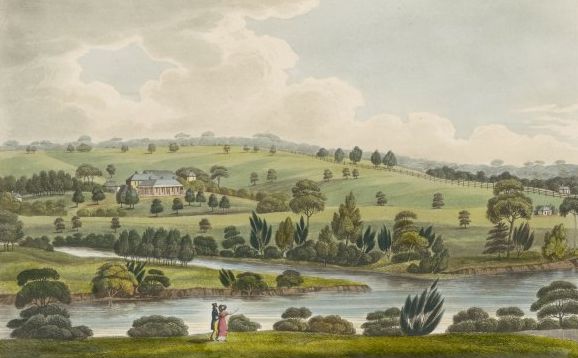
On 14 October 2002 he tried again, flying to Adelaide, disguising himself and following Tobin into the lift of her Hindmarsh Square office. As she stepped out onto her floor, he shot her four times, then removed his disguise and walked away. Convicted of murder in 2004, he won a retrial when the High Court found the trial judge’s directions had caused a substantial miscarriage of justice; a second jury convicted him again in 2009, and he remains in prison with a non-parole period of 34 years.
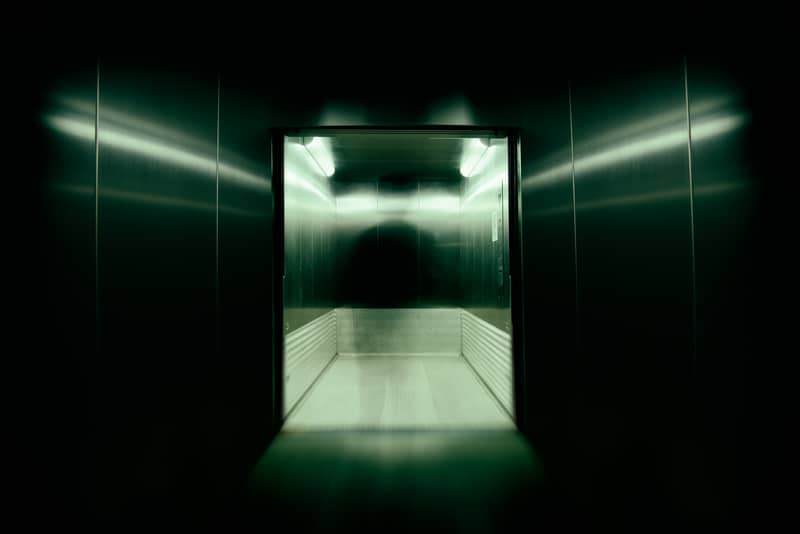

Shot whilst stepping out of an elevator door.

⬅ See all events from 14 October

Spread the word on your favourite platform!

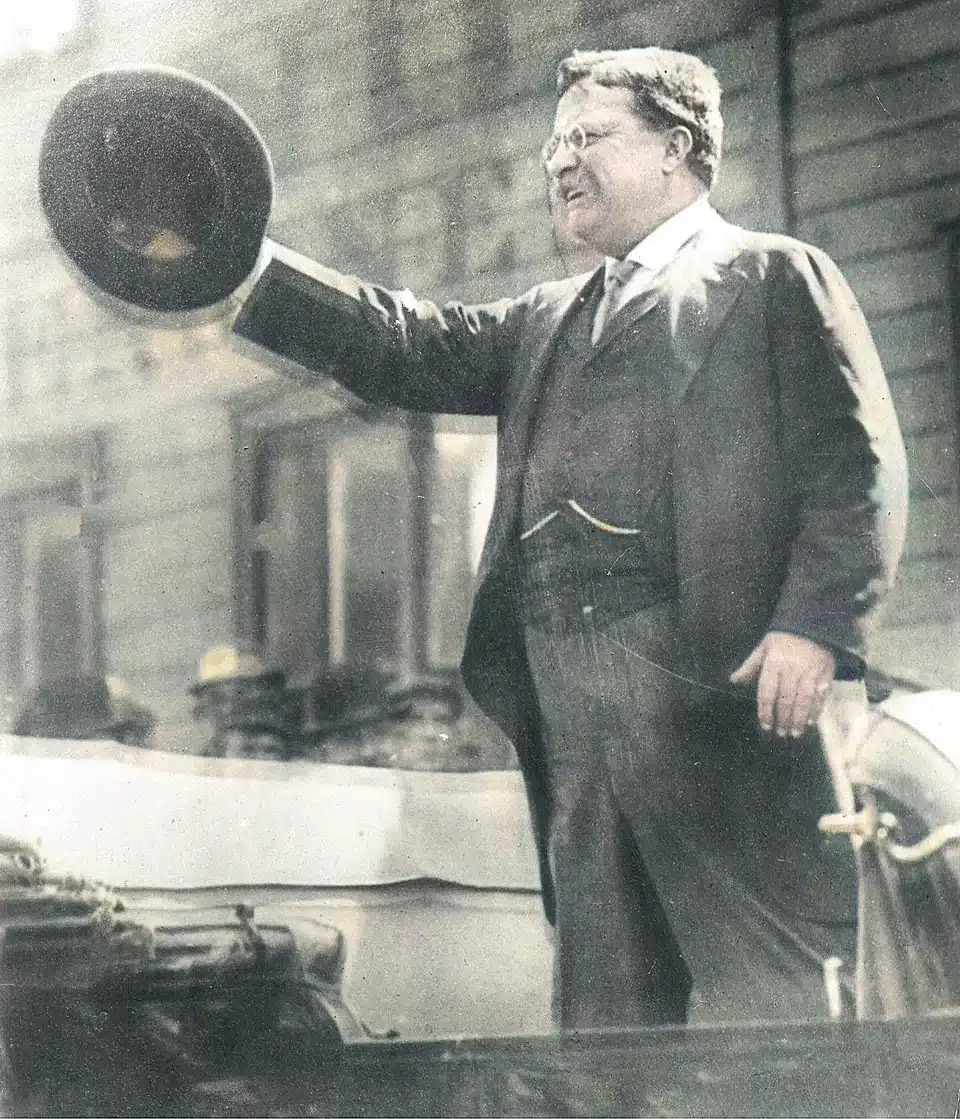
Theodore Roosevelt was climbing into his car in Milwaukee on 14 October 1912, campaigning for a third term as president, when a former saloonkeeper named John Schrank stepped from the crowd and shot him in the chest. The bullet had already been slowed by a folded steel glasses case and a fifty page speech manuscript in his breast pocket before it lodged in his chest muscle.

With the crowd turning on the gunman, Roosevelt shouted for Schrank to be left unharmed and handed to police. Then, bleeding and reasoning from his own hunting experience that he was not coughing blood and so his lung was untouched, he refused hospital treatment and walked onto the stage. He opened his address with the line that followed him ever after: “It takes more than that to kill a bull moose.” He spoke for roughly ninety minutes before finally agreeing to see a doctor. Surgeons judged the bullet too close to vital organs to remove, and Roosevelt carried it in his chest for the rest of his life.

Theodore Roosevelt speaking from a car shortly before being shot in 1912.

⬅ See all events from 14 October

Spread the word on your favourite platform!

Dino Dibra, 25, was one of the early casualties of Melbourne‘s gangland war. He was gunned down on this day the moment he stepped outside his home in Sunshine West, hit multiple times in what police believed was a professional, pre-planned hit rather than a chance confrontation.

Investigators were confident a hired shooter had been waiting for him, and suspicion quickly fell on Andrew Veniamin, a figure who would go on to be linked to several more killings as the underworld conflict spread across the city. Dibra’s murder became one of the opening chapters in a decade-long cycle of tit-for-tat violence that would eventually claim more than thirty lives.

Gangland: more than a dictionary definition in Melbourne, 1998–2010.

⬅ See all events from 14 October

Spread the word on your favourite platform!

Carl Williams was 29 and already dealing drugs when Jason Moran shot him in the stomach on this day at Gladstone Park, in Melbourne, over an $80,000 debt tied to a failed amphetamine batch. Jason and his brother Mark Moran were both present. Williams survived.

He did not forget it. The shooting became the spark for a bloody tit-for-tat campaign that grew into the Melbourne gangland war, a decade of killings across the city’s underworld that would eventually claim both Moran brothers among dozens of others, and send Williams himself to prison before his own murder behind bars.

Gangland: more than a dictionary definition in Melbourne, 1998–2010.

⬅ See all events from 13 October

Spread the word on your favourite platform!
On This Day in True Crime History

Subscribe to Dark Stories

True crime stories, dark history and tour news, straight to your inbox.