William Casey, a young Guardsman only about twenty years old, was hanged in London on 11 September 1721 after being convicted of robbing a man named John Stone in a city park. Casey never accepted the charge; he insisted the confrontation had nothing to do with theft and everything to do with Stone making indecent advances toward him, a claim that, if true, cast the entire prosecution in a very different light.

At the gallows Casey did not simply protest verbally. He left behind a written statement formally proclaiming his innocence of the robbery, a deliberate act by a condemned soldier determined that his version of events would outlive him.

“He maintained until death that the confrontation arose because Stone had made indecent advances toward him” and went to his execution still denying the crime for which he was hanged.
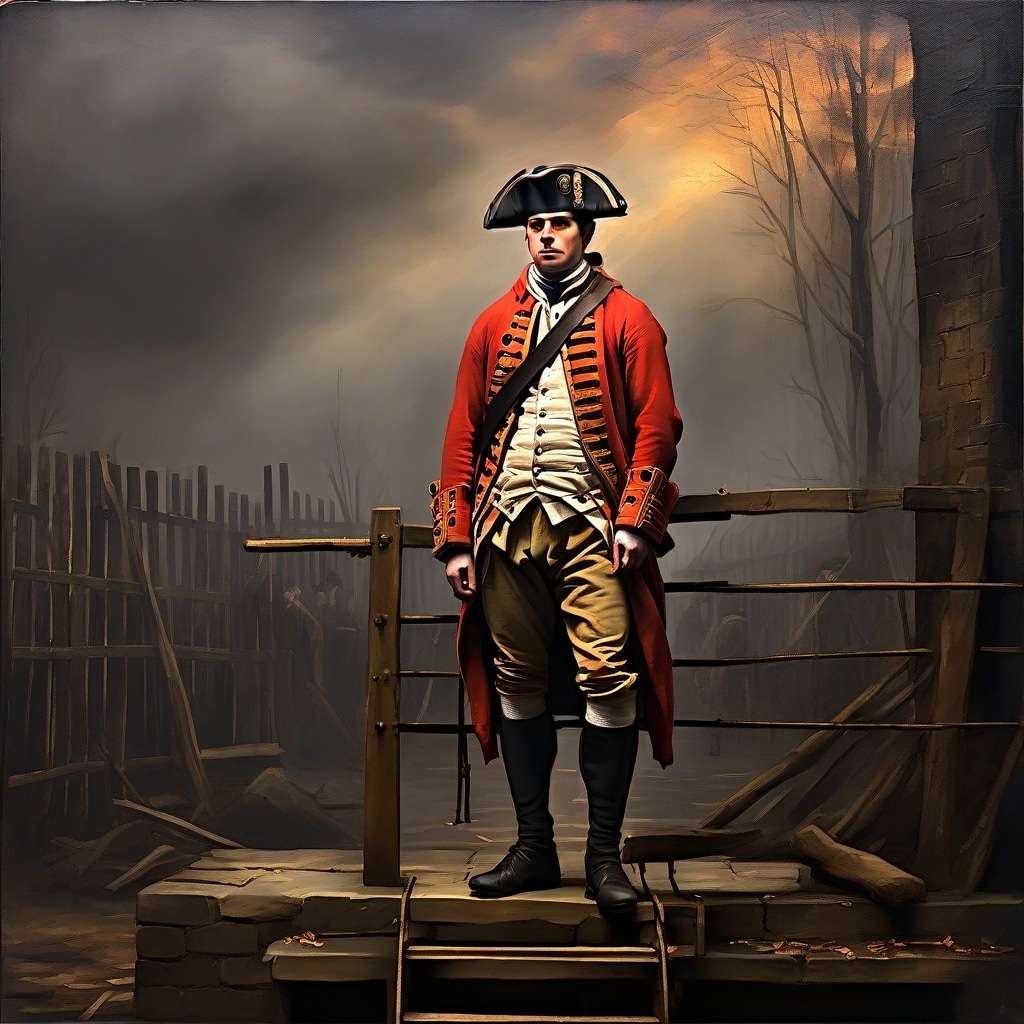

William Casey: The Soldier Accused of Robbery in the Park

⬅ See all events from 11 September

Spread the word on your favourite platform!

John Meff was a housebreaker who had already cheated the gallows once, having been convicted and then transported to the colonies rather than executed. But transportation was meant to be permanent exile, and Meff broke its terms by making his way back to England, a crime that under the law of the day carried the same penalty as the original offence: death.

He was arrested, tried, and sentenced to hang for illegally returning from transportation. On 11 September 1721 he was taken to Tyburn and executed at the age of forty, going to the gallows alongside James Redding, who had been condemned separately for robbery.

For Meff the return to Tyburn marked the end of a second chance he could not keep: having once escaped the noose through transportation, the simple act of coming home proved fatal.

Life of John Meff_featured

⬅ See all events from 11 September

Spread the word on your favourite platform!

Bulgarian dissident Georgi Markov was waiting for a bus on Waterloo Bridge in London when he felt a sudden sharp pain in his leg. He turned to see a man pick up a dropped umbrella and hurry away, offering a mumbled apology. Markov thought little of it until a small red mark and fever set in over the following days.

The umbrella had been rigged to fire a tiny pellet packed with ricin, a poison for which there was and is no antidote. Markov died four days later, on 11 September 1978, from the resulting blood poisoning, becoming one of the most infamous casualties of Cold War espionage.

His killer would not be identified for almost three decades. It was not until 2005 that leaked files named the assassin as Francesco Gullino, an agent working for the Bulgarian secret service, though he was never extradited or tried for the murder.

Umbrella gun.
Umbrella gun.

⬅ See all events from 11 September

Spread the word on your favourite platform!

Just before one in the morning on September 10, 1897, a taxi driver named George Smith lost control of his cab on New Bond Street, swerving across the road and crashing, smashing a water pipe and a front window. No one was hurt, cars of the era topped out at about 8mph, but Smith admitted to police that he had been drinking, and that confession was enough to convict him in what is recognised as the world’s first drink-driving case.

He was fined 20 shillings. There was no specific drunk-driving law to charge him under; the conviction rested entirely on his own admission, since officers otherwise had only their own snap judgement of a driver’s sobriety to go on. It would be almost a decade before any jurisdiction, enacted a dedicated drunk-driving law, and more than half a century before the breathalyser existed to test drivers objectively.

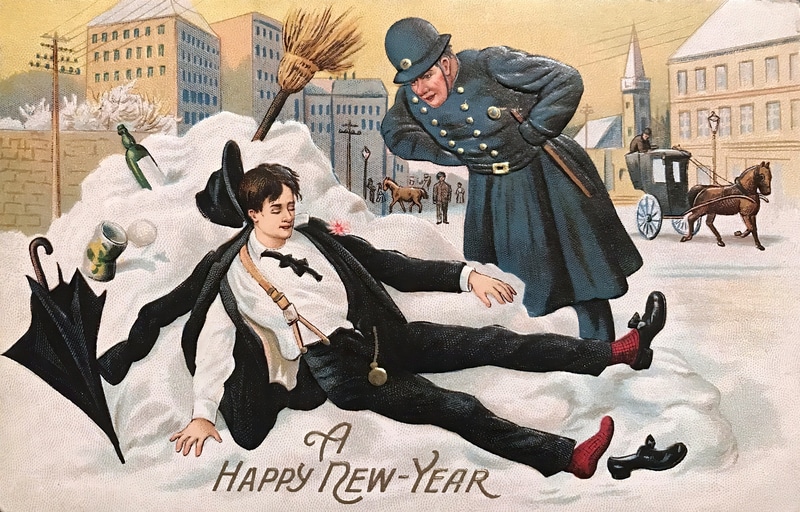
Humorous Vintage New Year Postcard: Policeman Discovers Man Asleep in Snow (circa 1900. A delightfully humorous and classic vintage postcard illustration from the early 20th century (circa 1900-1910s), perfectly capturing the aftermath of a lively New Year’s Eve celebration... The scene depicts a gentleman, dressed in a formal black suit with a white shirt, bow tie, and suspenders, comically sprawled out in a pristine snowdrift. His top hat is discarded nearby, his umbrella askew | ID 404164454 © Svetlana Gavrilyuk | Dreamstime.com
ID 404164454 © Svetlana Gavrilyuk | Dreamstime.com

⬅ See all events from 10 September

Spread the word on your favourite platform!
On This Day in True Crime History
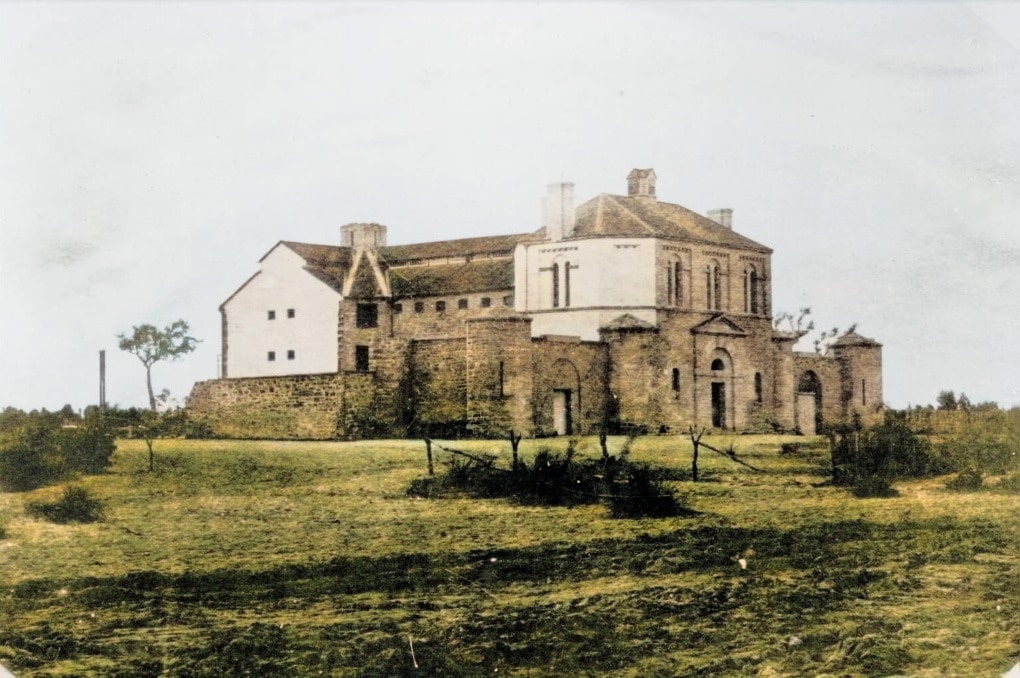
1867·Hanged at Perth Gaol, His Final Words a Shout for the Irish Republic
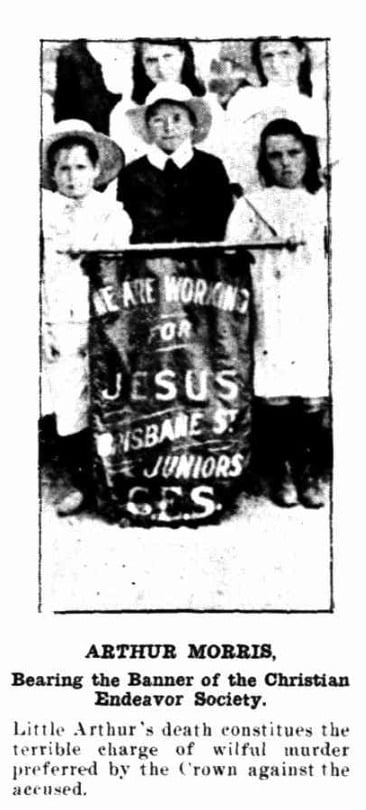
1908·The Slowest Death: a Perth Stepmother's Acid Poisoning Spree Claims a Third Child
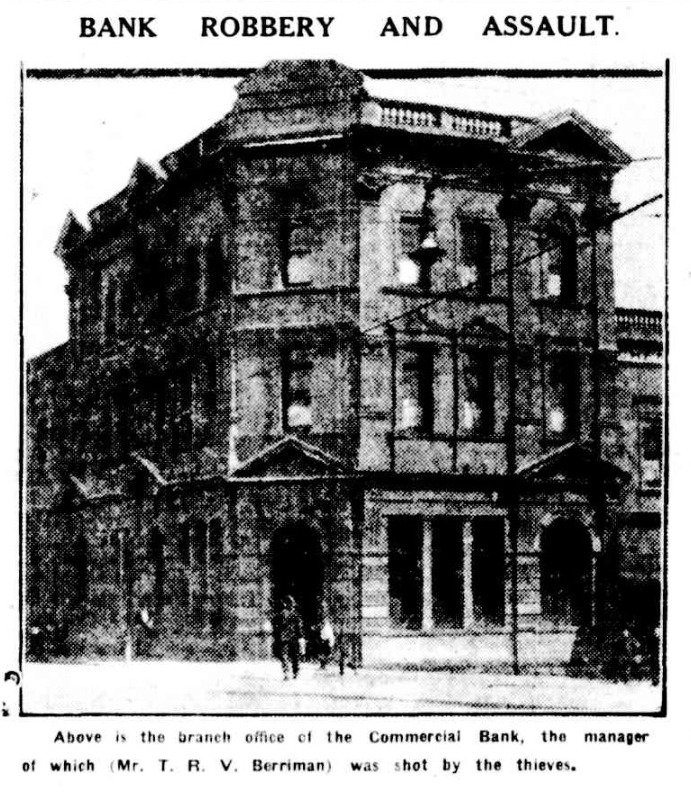
1923·Squizzy Taylor Walked Free While a Man Who Never Fired a Shot Hanged for a Melbourne Bank Murder
More Crime On This Day →

Subscribe to Dark Stories

True crime stories, dark history and tour news, straight to your inbox.