Theodore Roosevelt was climbing into his car in Milwaukee on 14 October 1912, campaigning for a third term as president, when a former saloonkeeper named John Schrank stepped from the crowd and shot him in the chest. The bullet had already been slowed by a folded steel glasses case and a fifty page speech manuscript in his breast pocket before it lodged in his chest muscle.

With the crowd turning on the gunman, Roosevelt shouted for Schrank to be left unharmed and handed to police. Then, bleeding and reasoning from his own hunting experience that he was not coughing blood and so his lung was untouched, he refused hospital treatment and walked onto the stage. He opened his address with the line that followed him ever after: “It takes more than that to kill a bull moose.” He spoke for roughly ninety minutes before finally agreeing to see a doctor. Surgeons judged the bullet too close to vital organs to remove, and Roosevelt carried it in his chest for the rest of his life.
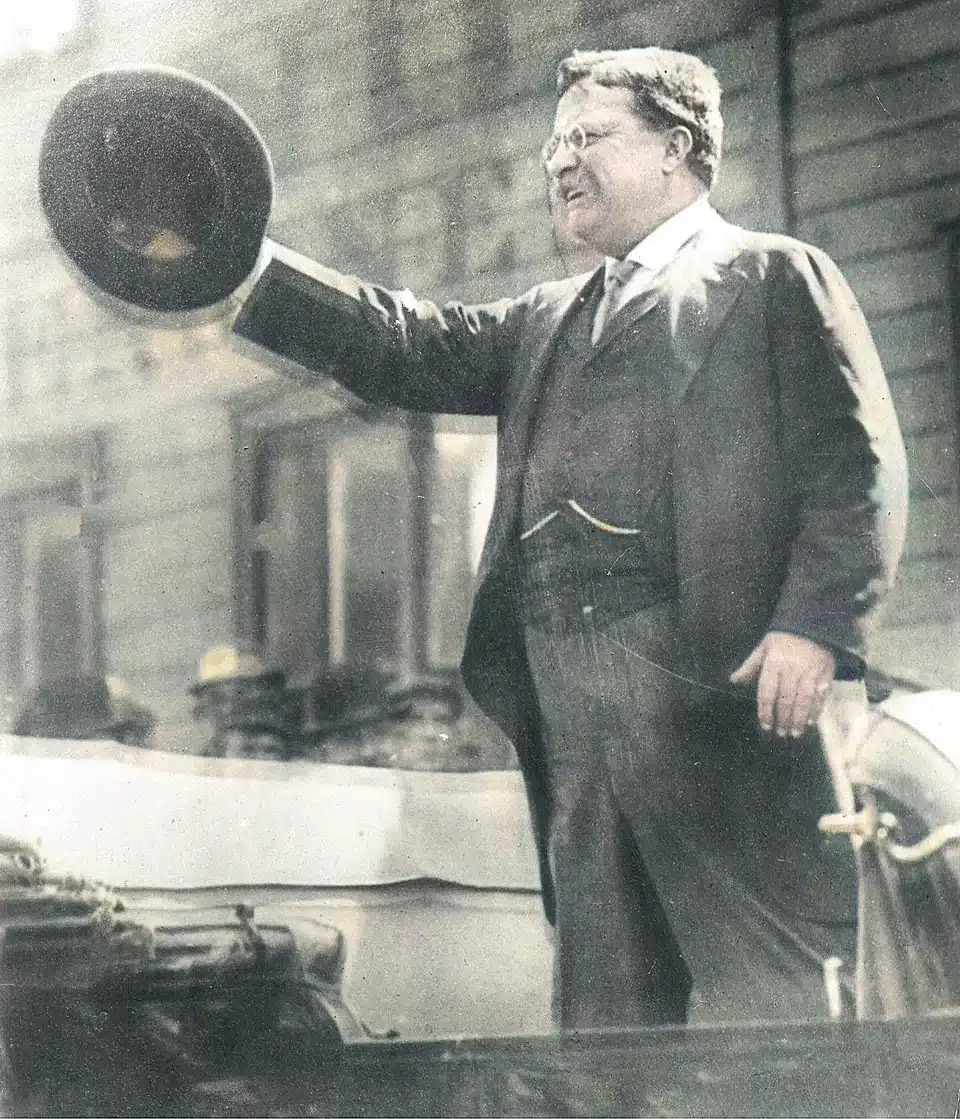

Theodore Roosevelt speaking from a car shortly before being shot in 1912.

⬅ See all events from 14 October

Spread the word on your favourite platform!

A boy named John Burtenshaw was killed in 1839 while minding sheep on the banks of the Canning River near Maddington, within sight of a farm a few miles from Perth. The accused was identified as responsible during a tense period of conflict between settlers and Aboriginal communities on the colonial frontier.

He was tried and sentenced to death, then taken from Fremantle gaol in 1841 and hanged at the very spot where the killing had occurred. Accounts recorded that on the road to the gallows he showed no fear, finding comfort in a belief that after death he would come back to life.

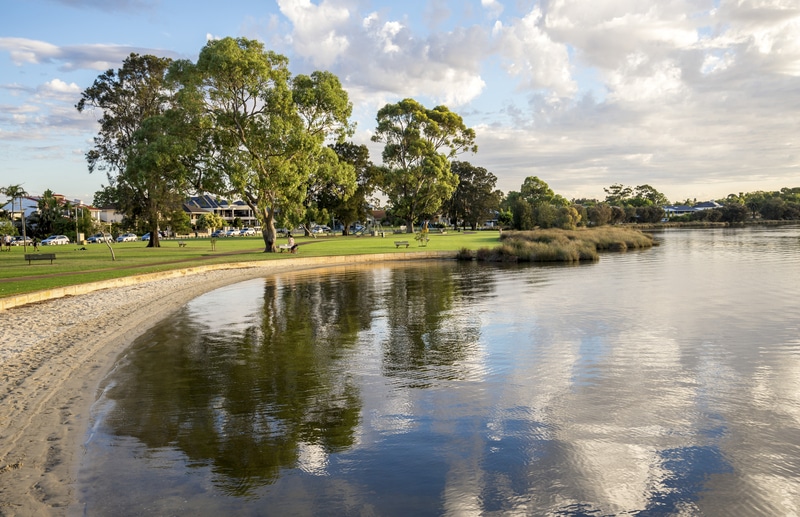
Curved sandy riverbank on Canning River in Perth at sunset

⬅ See all events from 14 October

Spread the word on your favourite platform!

The trouble began with cooking pots. When the commandant of the Norfolk Island penal settlement ordered all private kettles and saucepans confiscated in June 1846, tightening an already brutal regime, convicts erupted in fury the next morning. A mob armed with axes and wooden billets killed a convict constable at the lumber-yard gate, beat an overseer to death with a carving fork and billets, then struck down two more sleeping constables before soldiers finally restored order.

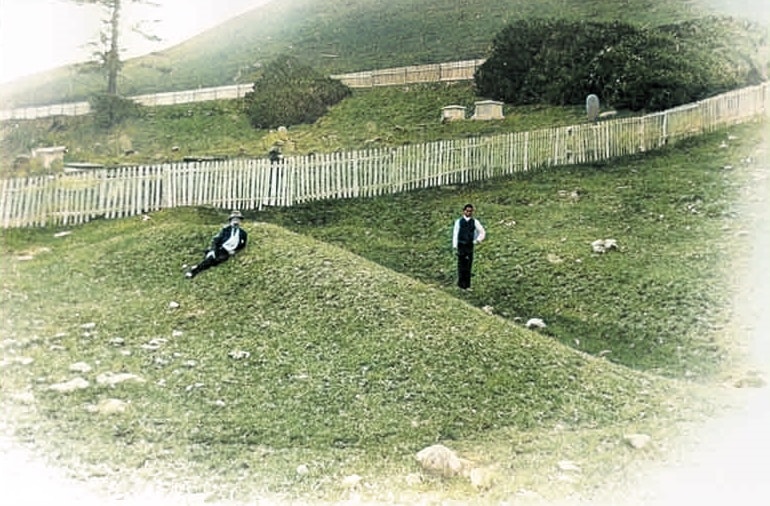
Fourteen men were tried months later before a military jury; twelve were convicted and hanged in two batches of six on the same morning in October 1846, their bodies buried outside consecrated ground in a spot still known as Murderers’ Mound. A thirteenth man was hanged six days after for the same overseer’s killing.

Before his execution, the ringleader declared that four of the twelve condemned men were innocent, insisting he had not even spoken to one of them on the morning of the riot and that the others had played no part in the killings, but it was to no avail.

Murderers mound on Norfolk Island circa 1900

⬅ See all events from 13 October

Spread the word on your favourite platform!

Carl Williams was 29 and already dealing drugs when Jason Moran shot him in the stomach on this day at Gladstone Park, in Melbourne, over an $80,000 debt tied to a failed amphetamine batch. Jason and his brother Mark Moran were both present. Williams survived.

He did not forget it. The shooting became the spark for a bloody tit-for-tat campaign that grew into the Melbourne gangland war, a decade of killings across the city’s underworld that would eventually claim both Moran brothers among dozens of others, and send Williams himself to prison before his own murder behind bars.

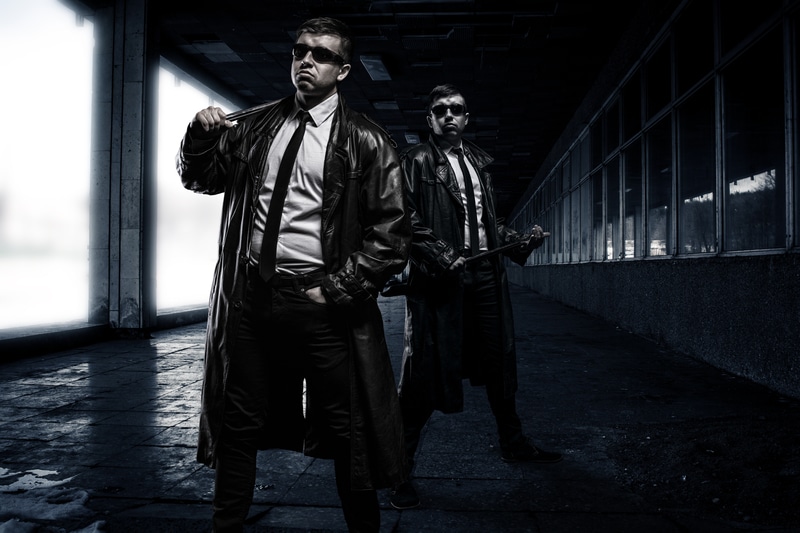
Gangland: more than a dictionary definition in Melbourne, 1998–2010.

⬅ See all events from 13 October

Spread the word on your favourite platform!
On This Day in True Crime History

Subscribe to Dark Stories

True crime stories, dark history and tour news, straight to your inbox.