Archives: Dark Stories: On This Day In True Crime History - Page 3
John Wayne Glover, later known as the Granny Killer, followed 86-year-old Doris Cox along Spit Road in Sydney‘s Mosman to her retirement village in 1989, then dragged her into a secluded stairwell and smashed her face into a brick wall.
Cox survived, one of the few to live through an attack that would later be linked to a string of killings targeting elderly women. But she had Alzheimer’s, and her account of the assault was so confused that detectives were steered toward hunting a much younger suspect, a misdirection that bought Glover more time before he was finally caught.
In memory note on paper held in wrinkled hands under dramatic light
Nineteen-year-old Yolanda Washington was last seen getting into a car near a Los Angeles intersection one October evening in 1977. The next morning her body was found on a hillside near the Ventura Freeway, the first known victim of the killers soon dubbed the Hillside Stranglers.
Her killers were cousins Kenneth Bianchi and Angelo Buono, who had lured her with the promise of a ride before attacking and strangling her. Washington, who worked as a waitress and sometimes turned to sex work, was the opening victim in a killing spree that would terrorise the city for months before the cousins were finally caught.
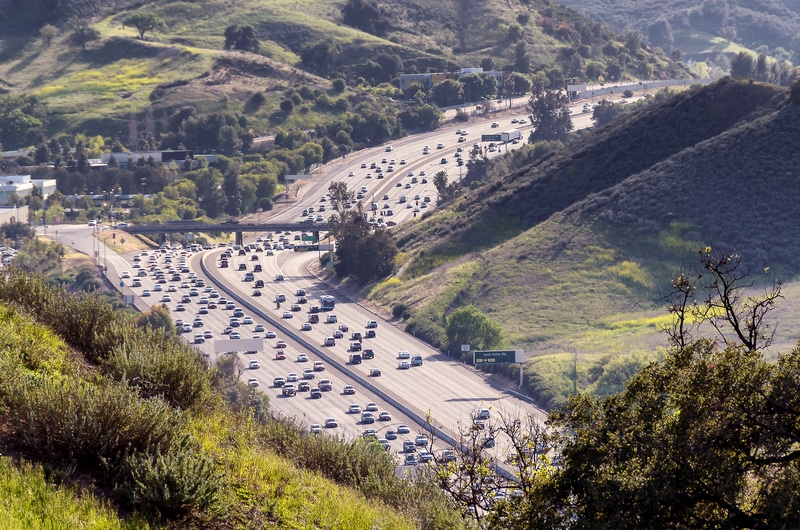
Hillside Strangler: Aerial view of rush hour traffic on the 101 Ventura Freeway
In October 1861 the politician Horatio Wills led an enormous settler train, more than 10,000 sheep and a line of bullock wagons, onto Gayiri land in Central Queensland to establish a cattle station at Cullin-la-ringo, without seeking permission from the people whose country it was. Tensions were already high: a neighbouring squatter had wrongly accused Gayiri men of stealing cattle and had several killed over it.
On 17 October, Aboriginal people who had been passing through the camp all day attacked, killing nineteen of the twenty-five settlers present, including Wills himself. Only a handful escaped, among them his teenage son Tom Wills, later a celebrated cricketer and co-founder of Australian rules football.
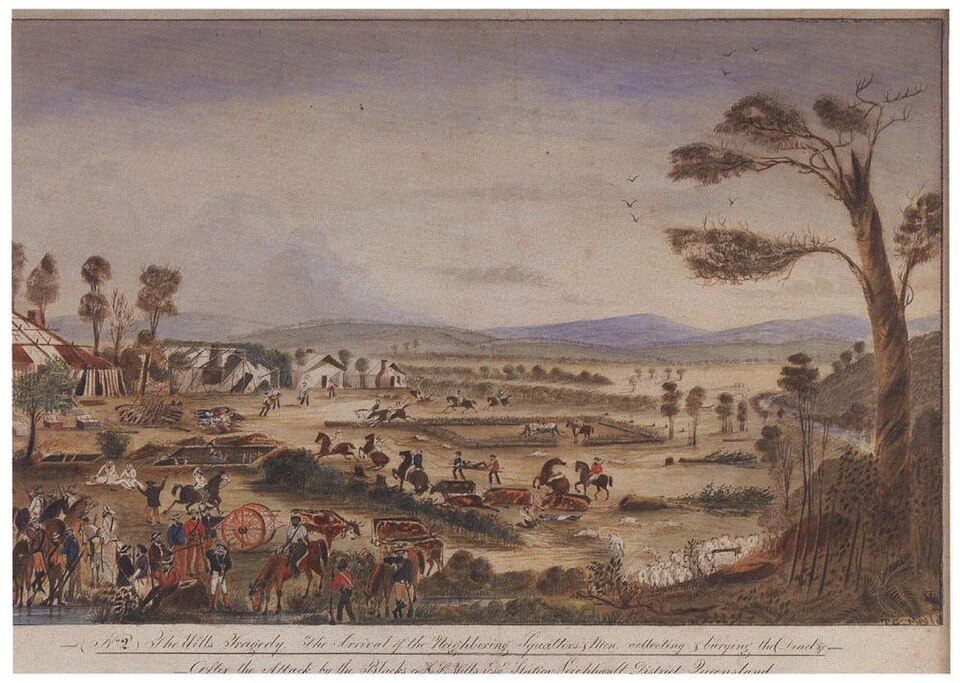
The arrival of the neighbouring squatters and Mon collecting and burying the dead. By T.G.Moyle: 1861
Richard Bibby was a hutkeeper at a station in the Victoria district when he decided to kill Billamarra, an Aboriginal man camped near his own hut, so near that he was said to be under Bibby’s protection. He announced his intention the night before, loaded his pistol, and before dawn woke his sleeping victim only to shoot him dead. Bibby claimed Billamarra had stolen lambs, but witnesses showed the missing lambs had simply been mauled by native dogs; another man watching in secret saw the whole killing.
Tried and condemned at the Quarter Sessions, Bibby became the first white man executed in Perth, and in the colony, for murdering an Aboriginal person. Strong appeals were made for mercy, but his cold, premeditated planning and a past conviction for robbery with violence counted against him. The hanging itself was botched, the rope poorly adjusted, and he struggled visibly on the rope before dying.
Bibby privately confessed his guilt to the prison chaplain, yet on the scaffold, asked if his sentence was just, he answered that if the truth had been told he would not have been there.
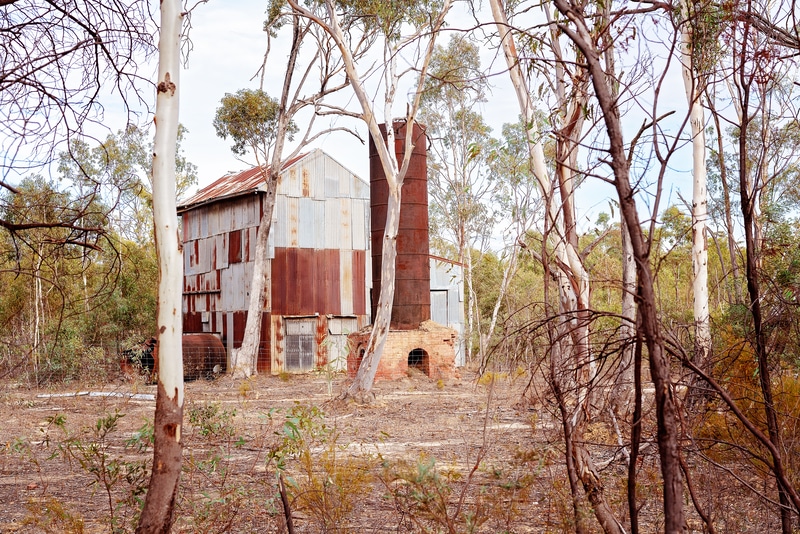
Disused shed with kiln and chimney stack in dry Australian bush