Archives: Dark Stories: On This Day In True Crime History - Page 28
1826: Escaped Convicts Turned Highway Robbers: Two Hanged After Fleeing Macquarie Harbour
John Taylor and George Waters had absconded from the notorious penal settlement at Macquarie Harbour, Van Diemen’s Land’s infamous secondary punishment station for repeat offenders, before turning to highway robbery. Their crime involved robbing soldiers of their arms, a particularly bold offence that ultimately led to their conviction.
Both men were sentenced to death on 2 September 1826 and hanged together at Hobart just eleven days later, on 13 September 1826.
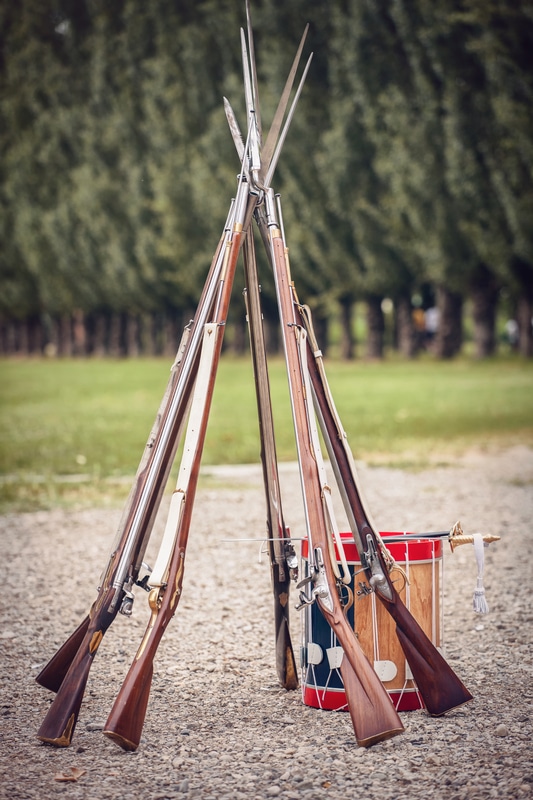
British Army drum and muskets historical military equipment
1826: The Head Was Never Found: Three Men Hanged at Hobart for Murder
Alexander Simpson, a shopkeeper who lived and slept in two houses near Pittwater not far from Hobart, was last seen walking home at dusk. The next morning his body was found mutilated on rocks below the high-water mark, his head and much of his flesh removed and never recovered. A discoloured mark around his neck suggested he had been strangled with a cord before his body was carried to the water and cut apart, apparently to prevent identification. His shop had been completely rifled, yet the doors were found padlocked exactly as usual, suggesting the killers had taken his keys and relocked the premises after the robbery. Strangely, no footprints, blood or signs of a struggle were ever found.
Three neighbours who knew Simpson well, Thomas Dunnings, Edward Everitt and William Smith, stood trial for three days on largely circumstantial evidence, including stolen goods traced back to Simpson’s shop and their movements on the night of the killing. All three were convicted, sentenced to death on 2 September 1826 and hanged together at Hobart on 13 September 1826.
Each man gave a different account at the end. Dunnings insisted he had “had no hand in it”; Everitt admitted stealing goods from the house after Simpson’s death but denied any part in the murder; Smith maintained the evidence used to convict him was “entirely false.”
Vintage door secured with padlock and chain, lockdown security
1824: Queensland’s First Convict Colony Founded, Then Abandoned for Brisbane Within a Year
On this day, Lieutenant Henry Miller led a party of convicts and soldiers ashore at Redcliffe on Moreton Bay to establish the first European settlement in the region that would later become Queensland. The site had been recommended by explorer John Oxley as a suitable location for a new penal outpost, but the choice quickly proved a poor one.
The choice proved a poor one. Fresh water was scarce, the anchorage was exposed and unsafe for shipping, and within a year the entire settlement was abandoned. The colony was relocated south along the river to a site that would grow into the city of Brisbane, which soon eclipsed Redcliffe as the region’s principal convict station.
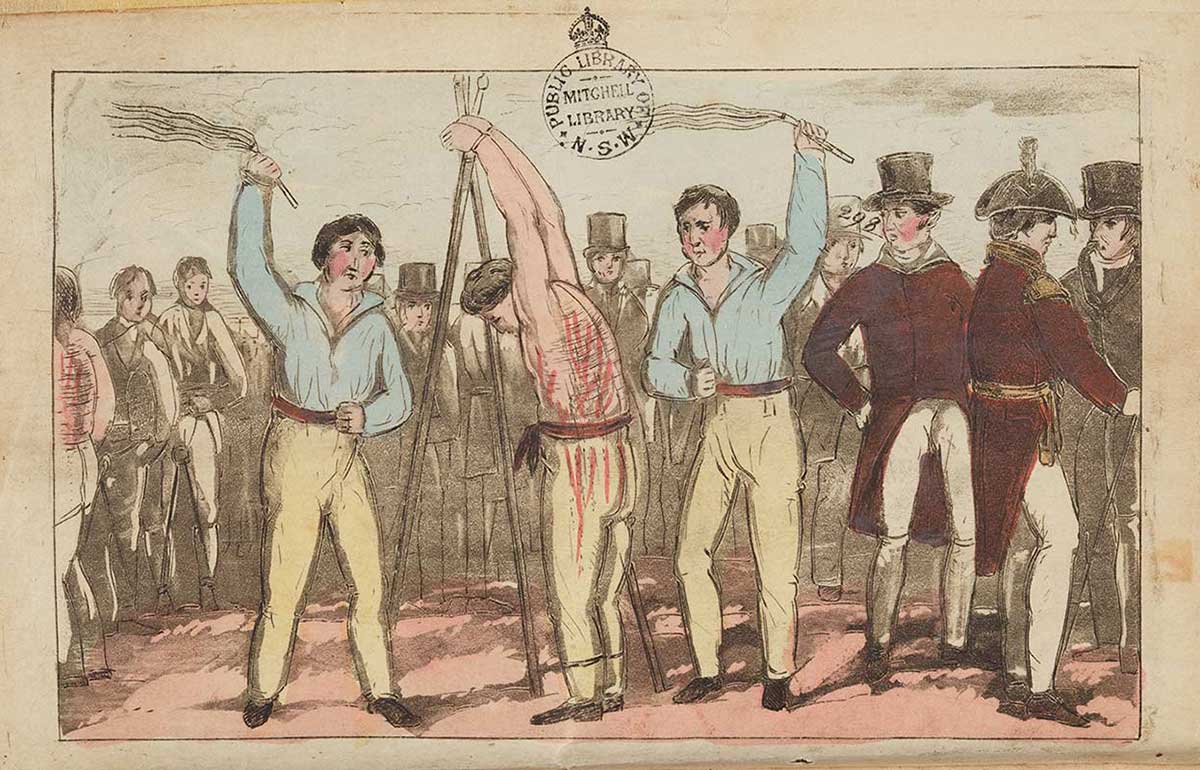
Flogging a Convict at Moreton Bay by William Ross: illustration from The Fell Tyrant
1940: Screaming in Terror: Murder Inc. Gunman Arrested Hiding in a Manhattan Church
Vito ‘Socko’ Gurino, a trigger man for the Brooklyn-based crime syndicate Murder Inc., was finally cornered on September 12, 1940, not in some underworld hideout but inside the Church of the Guardian Angel in Manhattan, where he had been hiding out from New Jersey. Detectives found him screaming hysterically, convinced his own associates were coming to silence him for good.
The fear was not unfounded. Gurino had spent weeks in fear of his life, aware that Murder Inc. dealt with liabilities by killing them before they could talk to police.
Once in custody, Gurino broke quickly, confessing to three murders carried out on the syndicate’s orders and implicating himself in four more killings, opening a window into the machine-like efficiency of contract killing that had terrorised the New York underworld for years.