William Tyndale committed one crime: he translated the New Testament into English so ordinary readers could understand it for themselves, defying a Church that insisted scripture remain in Latin and under clerical control. Hunted across Europe by agents loyal to Henry VIII’s government, he was finally betrayed and arrested in Antwerp.

Tried for heresy, he was condemned and taken to the fortress town of Vilvorde, where in October 1536 he was strangled at the stake and his body then burned. Within a few years, an English Bible drawing heavily on his translation was being placed in every parish church in the kingdom that had killed him.

According to tradition, his final words were a prayer rather than a protest: “Lord, open the King of England’s eyes.”
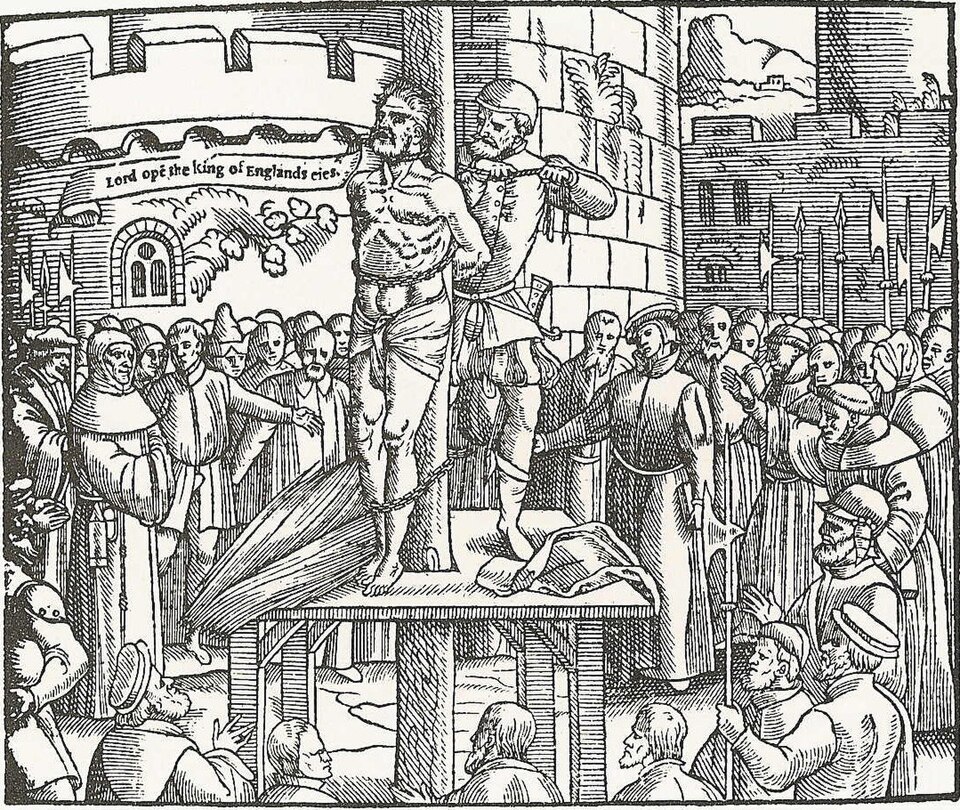

Portrait of William Tyndale from Foxes Book of Martyrs

⬅ See all events from 6 October

Spread the word on your favourite platform!

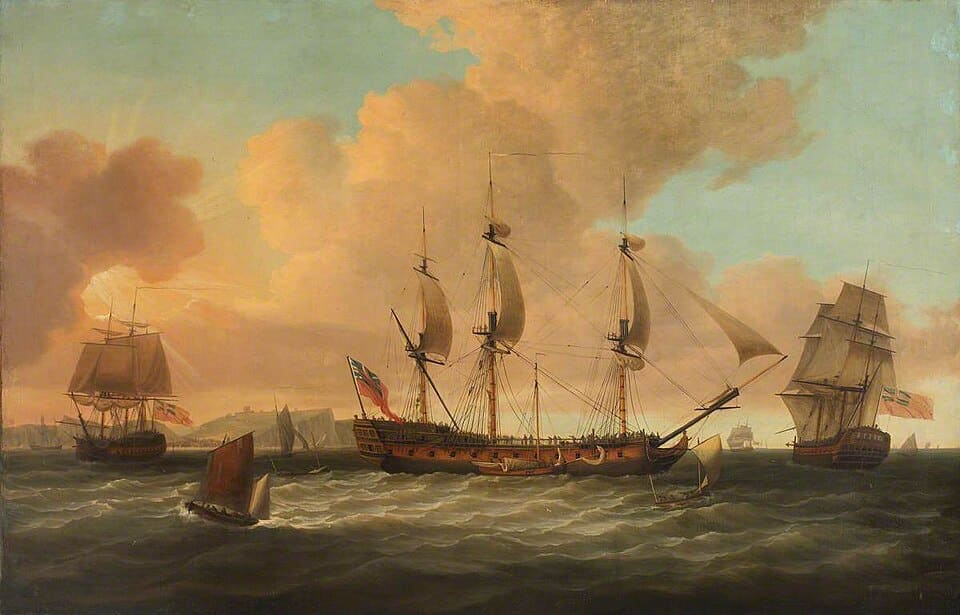
John Bevan arrived in Sydney aboard the Pitt in February 1792, after a gruelling eight-month voyage during which 29 convicts died, and many others arrived sick.

By 1794, Bevan had built a reputation for trouble in the colony and was caught in the act of breaking into the Sydney home of William Fielder. The case against him was considered overwhelming, and little time was lost: Bevan was convicted of burglary, sentenced to death and hanged on 6 October 1794.

He was buried at the old Sydney burial ground, little more than two and a half years after surviving the voyage that had brought him to New South Wales.

Painting of the East Indiaman Pitt and other sailing ships

⬅ See all events from 6 October

Spread the word on your favourite platform!

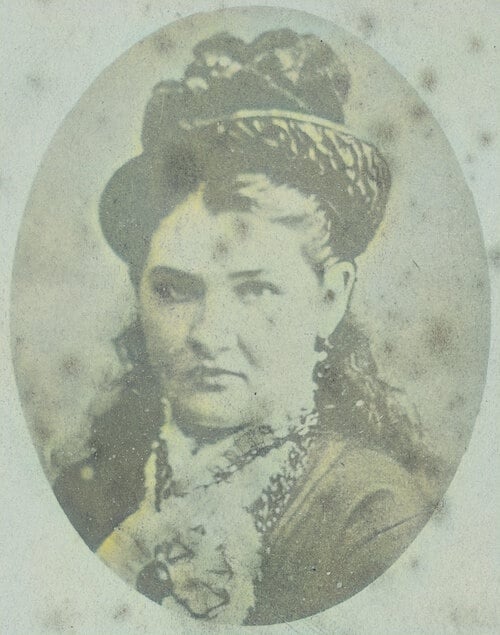
In 1878, Constable Fitzpatrick arrived alone and drunk at the Kelly family homestead and assaulted fourteen-year-old Kate Kelly, the spark that turned her brothers Ned and Dan into outlaws. With her mother jailed as an accomplice, teenage Kate raised her younger siblings, campaigned for Ned’s clemency, and later toured with relics of the gang after his hanging at Melbourne Gaol in 1880.

Eighteen years on, now married and living near Forbes in New South Wales, Kate vanished from her home. She was found drowned in a nearby waterhole, aged 35. Her death was officially ruled an accident, but questions about what drove her there have never fully gone away.

Portrait of Kate Kelly sister of Ned Kelly

⬅ See all events from 6 October

Spread the word on your favourite platform!

In October 1965, Ian Brady picked up seventeen-year-old Edward Evans at a Manchester railway station, telling him he had been invited home for a drink. At the house on Wardle Brook Avenue, Brady had Myra Hindley fetch her brother-in-law David Smith under the pretext of sharing miniature wine bottles. Smith arrived in time to witness Brady strike Evans with a hatchet and strangle him with electrical cord, screams tearing through the house as Hindley called out for help.

Smith helped move the body to a spare room before fleeing home, where he was sick and told his wife everything. He contacted police the next morning armed with a screwdriver and bread knife in case Brady came after him. Officers found Evans’ body behind a locked door, and as he dressed for arrest, Brady offered a chillingly understated explanation: he and Evans “had a row and the situation got out of hand.” The killing exposed what became known as the Moors Murders.

Shocked male witness after fatal late night accident

⬅ See all events from 6 October

Spread the word on your favourite platform!
On This Day in True Crime History

Subscribe to Dark Stories

True crime stories, dark history and tour news, straight to your inbox.