Carol DaRonch had already escaped once. In 1974 a man posing as a police officer lured her to his car, snapped a handcuff on her wrist and tried to force her into it; she fought free, leapt from the moving vehicle and ran.

Months later she stood in a police lineup with two other women and picked out the same face: Ted Bundy. He was arrested and charged with her attempted kidnapping, denied any wrongdoing, and waived his right to a jury trial, gambling that a judge alone would be less swayed by the growing suspicion linking him to a string of disappearances across several states.

DaRonch’s escape and her identification became one of the threads that eventually unravelled Bundy’s double life, feeding directly into the case that first put him behind bars.
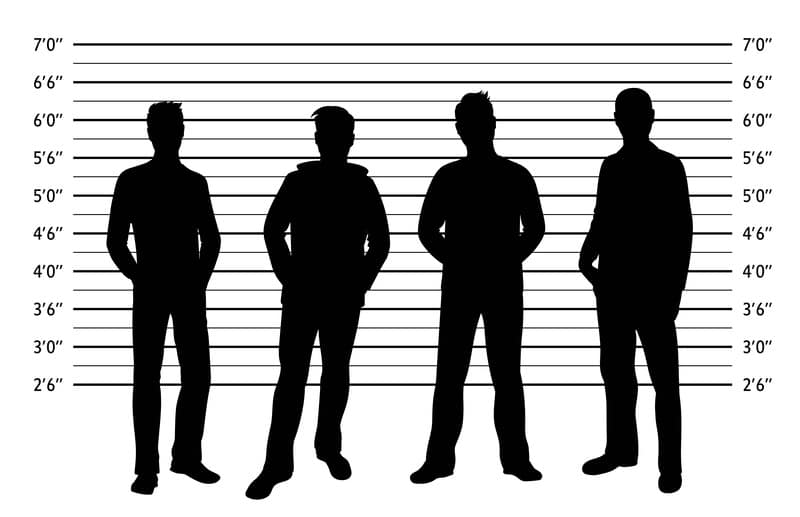

Police lineup. Mugshot background with silhouette of different men. Black silhouette of four men on white background. Isolation. Vector illustration | ID 161630052 © Larisa Balatskaya | Dreamstime.com
ID 161630052 © Larisa Balatskaya | Dreamstime.com

⬅ See all events from 2 October

Spread the word on your favourite platform!

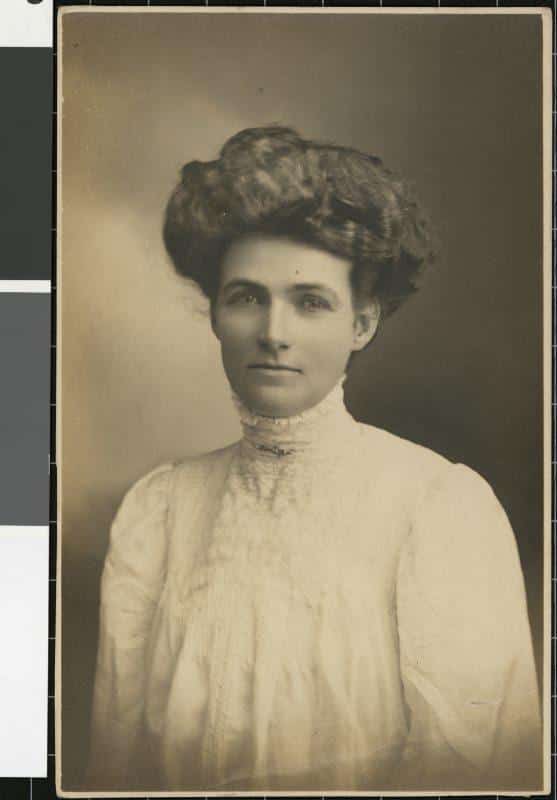
Annie Birkett married Harry Crawford in Sydney in 1913 not knowing that Crawford had been born Eugenia Falleni and had lived as a man for twenty years. A neighbour told her in 1917. That October the pair went picnicking at Chatswood and Annie never came home; a charred body was found in scrub off Mowbray Road the next morning, still alive when the fire was lit, the doctor said. It lay unidentified for three years. Falleni told her son she had run off with another man.

The boy remembered other things. Days after his mother vanished his stepfather took him to The Gap and tried to coax him to the cliff edge; a week later he led him into scrub at night, told him to dig a hole, then threw the shovel away and took him home. In 1920 the son went to police. The body was matched through its false teeth, and among its effects he knew his mother’s shoes, one sole mended by his stepfather. Tried at Darlinghurst in what the papers called the “Man-Woman case”, put into the dock first in a suit and then in a dress, Falleni was convicted in two hours.

Sentenced to death, later commuted to life, Falleni told the judge: “I am not guilty, your Honor. I know nothing whatsoever of this charge.”

Portrait of Annie Birkett, circa 1910. Justice & Police Museum Collection, Museums of History NSW. Gift of Linda Slinger, 2011. Accession no. JP2011/1-2.

⬅ See all events from 1 October

Spread the word on your favourite platform!

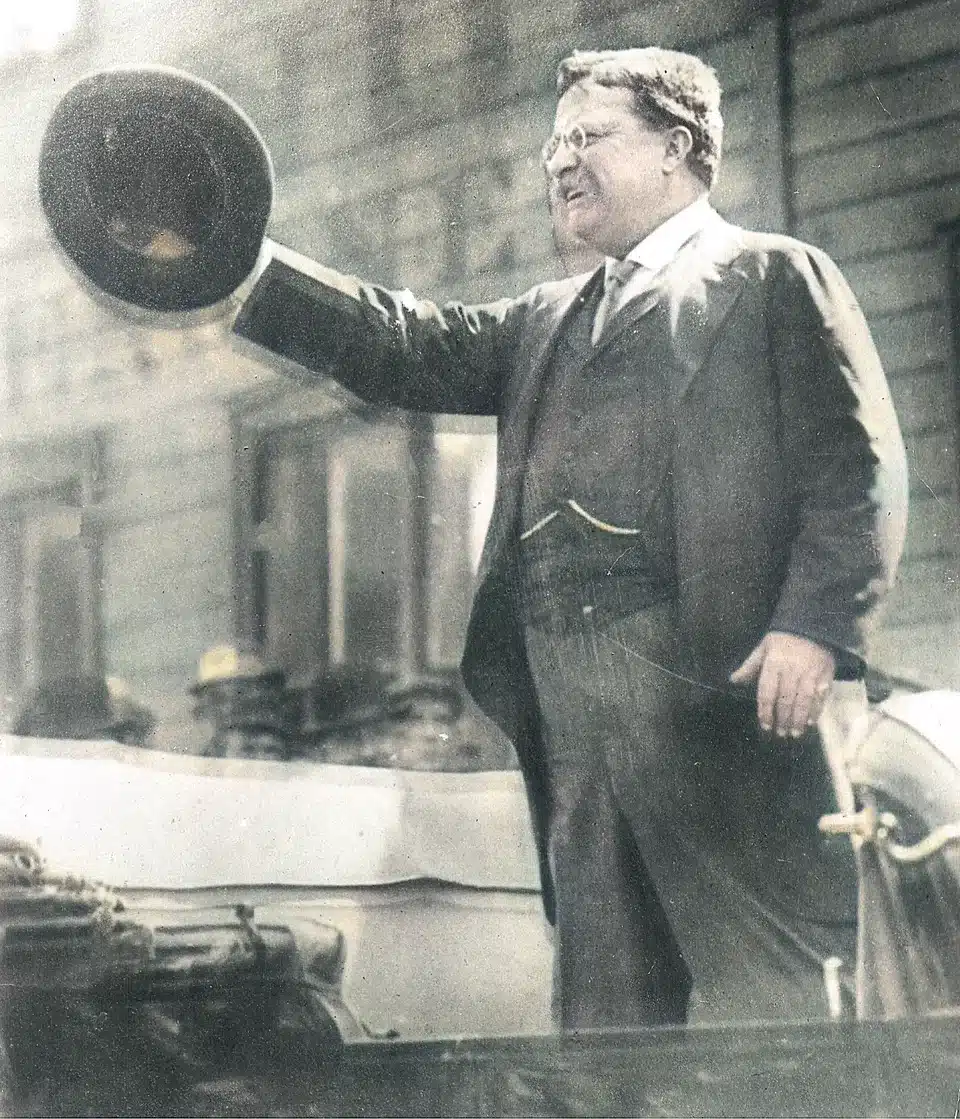
Five men who had run Richard Nixon’s White House and Justice Department went on trial in Washington in October 1974, charged with conspiracy, obstruction of justice and perjury for trying to smother the investigation into the break-in at the Democratic National Committee offices two years earlier.

The trial ran three months. On January 1, 1975, a jury convicted former Attorney General John Mitchell along with chief of staff H.R. Haldeman and aide John Ehrlichman on multiple felony counts; a co-defendant was acquitted. The one man missing from the dock was Nixon himself, who had resigned the previous August and been pardoned by President Gerald Ford before he could ever be charged, leaving the men who had followed his orders to serve the time he never did.

President Richard Nixon made of Wax. Wax figure Richard Nixon reading documents with american flag at desk | ID 59298060 © Lequint | Dreamstime.com
ID 59298060 © Lequint | Dreamstime.com

⬅ See all events from 1 October

Spread the word on your favourite platform!

Patrick Kennedy was a shepherd at an out-station near Penshurst in Victoria, sharing a hut with his wife and two other men. After a night of drinking, he turned on her the next afternoon without any clear provocation, kicking her so violently that the pattern of his boot nails was later found bruised into her body.

He was convicted at the Supreme Court and hanged at Melbourne Gaol on 1 October 1851. The drop failed to kill him instantly, and he struggled for nearly three minutes, prompting the hangman to boast to bystanders that he had predicted exactly how long it would take.

In his final days Kennedy revealed a chilling belief in fatalism, insisting he was merely an instrument of forces beyond his control. He recalled that his small son used to prattle a rhyme, “mammy dead and dady gone,” which he took as a dark omen; when the boy died in custody during his imprisonment, Kennedy said plainly that he was glad.

He showed no remorse for the killing, telling gaolers only, “Drink did it all, but if it had not been done by drink, something else would have done it, as it was decreed to be done.”

Skull and vintage hourglass on wooden background in beam of light

⬅ See all events from 1 October

Spread the word on your favourite platform!
On This Day in True Crime History

Subscribe to Dark Stories

True crime stories, dark history and tour news, straight to your inbox.