1978: The Vatican Cover-Up That Fuelled a Poisoning Legend: the Death of Pope John Paul I

Pope John Paul I was found dead in his bed after just 33 days in office, the shortest papacy since 1605, with a religious devotional still in his hands. The Vatican initially claimed a priest had discovered the body; in truth it was a nun, Sister Vincenza, who found him, and officials lied about it out of embarrassment that a woman had entered the private papal quarters.

No autopsy was performed and the body was embalmed with unusual speed, feeding decades of speculation that he had been poisoned to stop him exposing corruption at the Vatican Bank. One theory even produced a mobster who claimed to have helped administer the poison. Later research drawing on confidential Vatican archives instead found a simpler explanation: a history of heart trouble, chest pains the night before his death, and no doctor ever called.
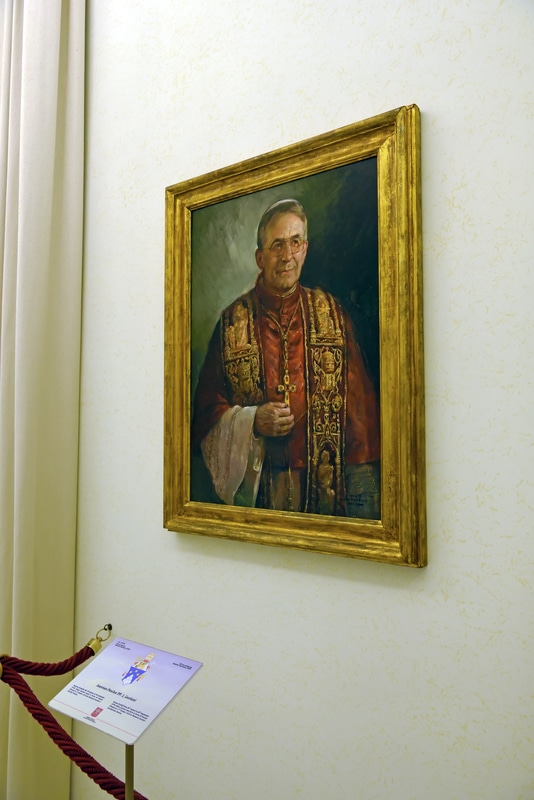

Castel Gandolfo Lazio Italy. Portrait of Pope John Paul I, albino luciani in the museum of the pontifical villas 11 Sep 2022 Castel Gandolfo Italy | ID 259284583 © Maudanros | Dreamstime.com
ID 259284583 © Maudanros | Dreamstime.com

⬅ See all events from 28 September

Spread the word on your favourite platform!
True Crime Scene Tape

1829: The Informer They Called Kangaroo Jack: Silenced in the Bush Near Bathurst

John Hazeldine went by the name Kangaroo Jack, and he liked to remind men what his evidence could do: he claimed it had hanged one man in England and transported two others. So when he and a young absconded convict named Parker were caught butchering a stolen bullock in the bush near Bathurst in 1828, Parker knew exactly what Hazeldine intended to do next. That evening, as Hazeldine knelt blowing a campfire alight, Parker struck him with a tomahawk.

The case against him rested almost entirely on a confession he was said to have made to two fellow convicts, men a settler who watched the trial branded liars who “contradicted each other in all other things” and may have been the real killers. It was enough. Parker, about 19, was hanged behind the gaol at Sydney on 28 September 1829, still hoping until the last for a reprieve.

He denied the murder almost to the moment the rope was placed around his neck, then confessed his guilt as the drop was prepared.

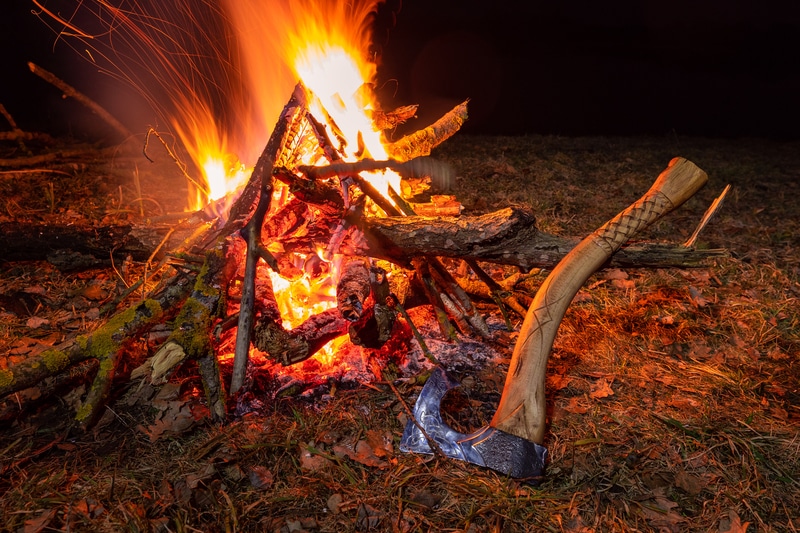
Campfire with hand-forged axe at night.

⬅ See all events from 28 September

Spread the word on your favourite platform!
True Crime Scene Tape

1964: The Warren Commission Declares Lee Harvey Oswald the Lone Gunman in the Kennedy Assassination

On September 27, 1964, the Warren Commission delivered its report on the assassination of President John F. Kennedy, concluding after a ten month inquiry that Lee Harvey Oswald acted alone in firing the shots that killed the president in Dallas on November 22, 1963.

The commission, chaired by Chief Justice Earl Warren and formed by executive order of President Lyndon Johnson, found no evidence of a conspiracy, foreign or domestic, and determined that Jack Ruby likewise acted alone when he shot Oswald dead two days after the assassination while Oswald was in police custody.

The report’s single bullet theory, used to explain the wounds suffered by both Kennedy and Texas Governor John Connally from one shot, became the most disputed element of the findings and fueled decades of public skepticism and rival conspiracy theories that persist to this day.

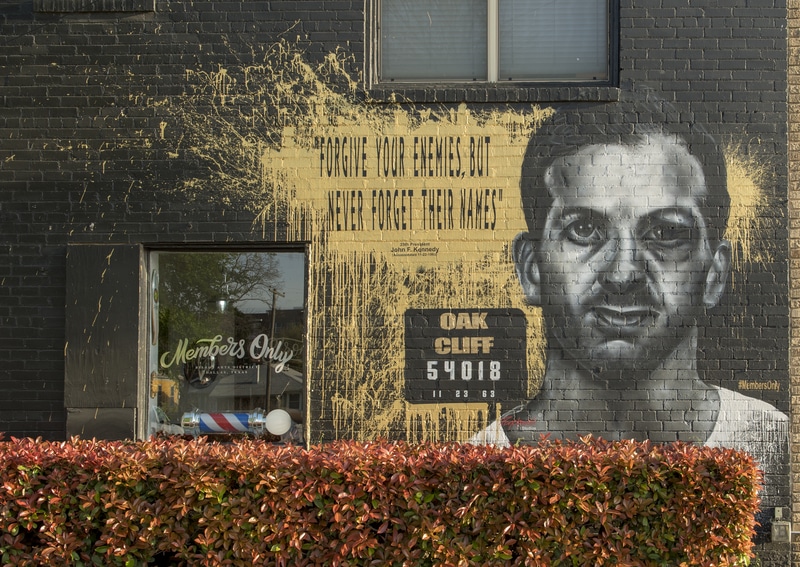
Lee Harvey Oswald Mural, Bishop Arts District, Dallas, Texas. Pictured is a mural on the side of the Members Only barber shop in the Bishop Arts District, Dallas, Texas. It features Lee Harvey Oswald, the man who assassinated president John F. Kennedy on November 22, 1963. He was arrested a short time later in the Texas Movie Theatre in Oak Cliff. It was painted by renowned Dallas muralist, Theo Ponchaveli. The Bishop Arts District is a small shopping and entertainment district in north Oak Cliff, immediately southwest of Downtown Dallas. It was originally developed as warehouses and shops in the 1920s. | ID 112938931 © David Pillow | Dreamstime.com
ID 112938931 © David Pillow | Dreamstime.com

⬅ See all events from 27 September

Spread the word on your favourite platform!
True Crime Scene Tape

1803: Bribery Couldn’t Save Them: Two Men Hanged at Castle Hill for a Hawkesbury Robbery

On 27 September 1803, John Lynch and James Tracey were hanged at Castle Hill for a violent robbery at the Hawkesbury home of Samuel and Elizabeth Phelps. Five men had entered the house on the evening of 24 July, knocked Samuel down and bound both husband and wife before stealing money, watches, clothing and other property. Before leaving, they stripped two gold rings from Elizabeth’s fingers.

The following morning, Lynch gave a labourer a bundle of stolen papers to hold, warning him not to show anyone. When he delayed returning them, he was offered silver teaspoons and then a watch. He accepted the items but kept the papers, eventually informing the authorities and producing evidence that linked Lynch to the robbery.

Both men were convicted and sentenced to death. At the Castle Hill gallows in Sydney, Lynch admitted his guilt and urged the spectators to take warning from his fate. Tracey continued to deny involvement and interrupted Lynch’s final address before the two were hanged.

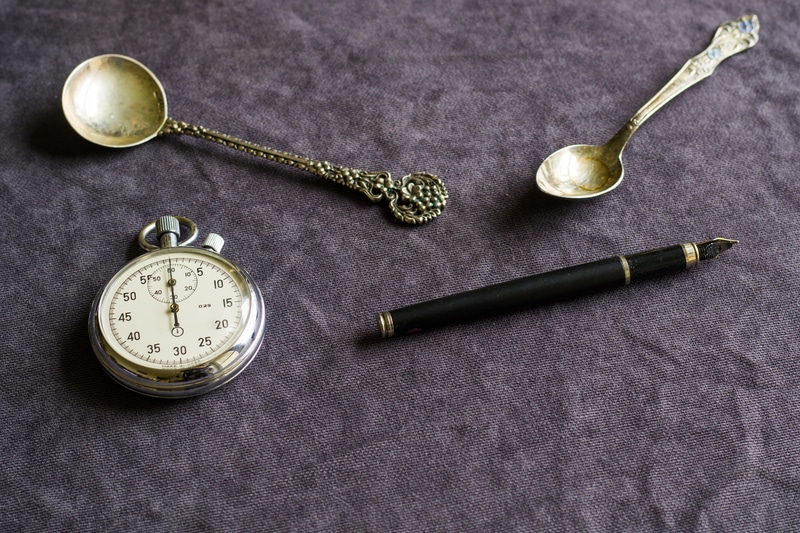
Vintage pocket watch, fountain pen and spoons on a table

⬅ See all events from 27 September

Spread the word on your favourite platform!
True Crime Scene Tape
On This Day in True Crime History

Subscribe to Dark Stories

True crime stories, dark history and tour news, straight to your inbox.