He had survived gang wars, bribery and a carefully built image as a Robin Hood of the Chicago slums, but it was not a murder charge that finally caught Al Capone. Federal prosecutors built a case not on bootlegging or bloodshed but on unpaid taxes, a paper trail he had never bothered to hide.

When the original jury pool was found to have been tampered with, the judge swapped it out entirely on the morning of the trial, stripping away whatever quiet deals Capone’s men had arranged in advance. The replacement jurors heard days of complex financial testimony, then took just nine hours to convict. On 17 October 1931, Capone was sentenced to 11 years in federal prison, the longest tax evasion sentence ever handed down to that point, ending the public myth with a ledger rather than a gun.
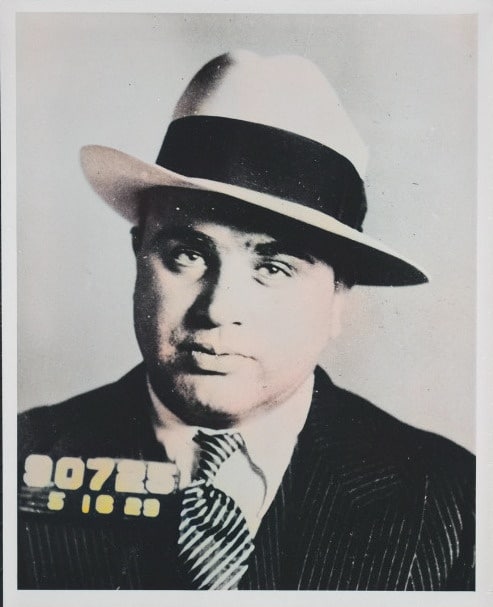

Al Capone, Philadelphia, 16 May 1929. U.S. National Archives, NAID 24520406. Use unrestricted.

⬅ See all events from 17 October

Spread the word on your favourite platform!

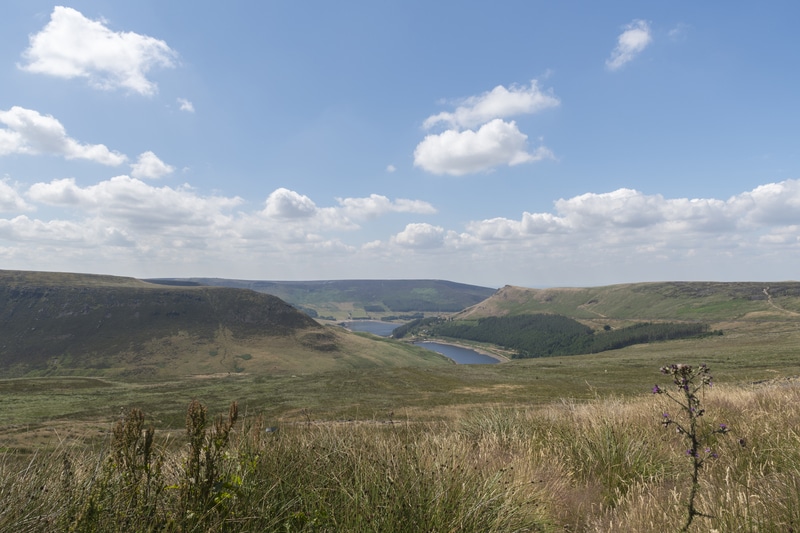
Lesley Ann Downey had been missing since Boxing Day 1964, taken from a Manchester fairground and killed by Ian Brady and Myra Hindley, who recorded her final minutes on tape. In October 1965 police digging on Saddleworth Moor spotted a bone protruding from the peat.

The body recovered was still visually identifiable. It was formally confirmed the next day as Lesley Ann, and her mother identified her by the clothing recovered with her, bringing a grim end to months of searching in one of Britain’s most notorious crime cases.

Grim Murder Discoveries on Saddleworth Moors

⬅ See all events from 16 October

Spread the word on your favourite platform!

Young Edward Dunn vanished near his family’s farm at Port Gregory, north of Champion Bay in Western Australia in October 1865. Search parties tracked his footprints for a short distance before they disappeared, and no trace of him surfaced until the following April, when fragments of clothing, a skull and other remains were pulled from a well.

The mystery stood unsolved until 1873, when one of the accused broke down in a Geraldton lock-up and told police what had happened: a group of men had come across Dunn, killed him, then cooked and ate portions of his body before hiding his remains down the well. Two men were convicted of murder, admitted their guilt, and were hanged at Perth Gaol on this date, eight years after the killing.

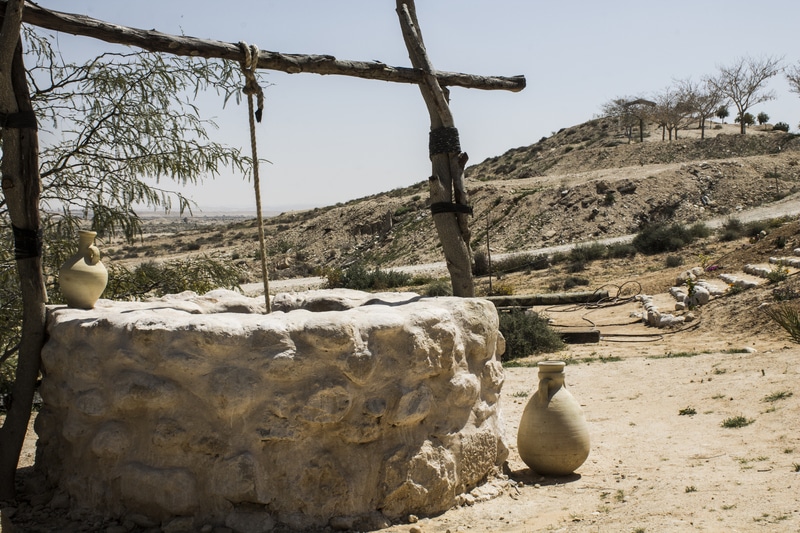
Pitcher and well in the Negev Desert, Israel

⬅ See all events from 16 October

Spread the word on your favourite platform!

At a settler’s hut near Burwood, outside Sydney, bushranger Thomas Mustin levelled a loaded musket point-blank at a visiting neighbour, and pulled the trigger. It merely flashed in the pan; he drew a pistol, and that misfired too, and in the scuffle that followed Mustin and his companions escaped briefly into the bush.

Mustin, Daniel Watkins and John Brown were convicted over this attack and a string of armed robberies around Burwood and the Liverpool Road, including one household where the terrified wife recognised Brown as a former constable but was too afraid to say so.

On 16 October 1826 the three were marched from Sydney Gaol under military escort. All three acknowledged the justice of their sentence on the scaffold and prayed for mercy, offering no claim of innocence. They hanged together on a temporary gallows at Burwood, and their bodies were left on display throughout the day.

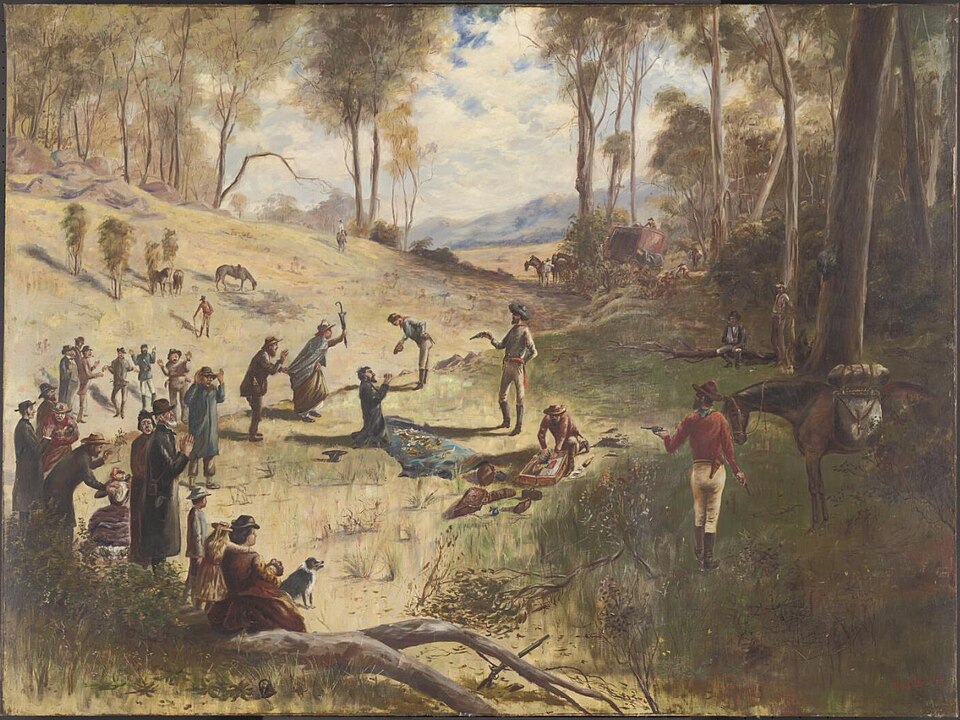
Bushrangers holding up coach passengers illustrated scene

⬅ See all events from 16 October

Spread the word on your favourite platform!
On This Day in True Crime History

Subscribe to Dark Stories

True crime stories, dark history and tour news, straight to your inbox.