In 1878, Constable Fitzpatrick arrived alone and drunk at the Kelly family homestead and assaulted fourteen-year-old Kate Kelly, the spark that turned her brothers Ned and Dan into outlaws. With her mother jailed as an accomplice, teenage Kate raised her younger siblings, campaigned for Ned’s clemency, and later toured with relics of the gang after his hanging at Melbourne Gaol in 1880.

Eighteen years on, now married and living near Forbes in New South Wales, Kate vanished from her home. She was found drowned in a nearby waterhole, aged 35. Her death was officially ruled an accident, but questions about what drove her there have never fully gone away.
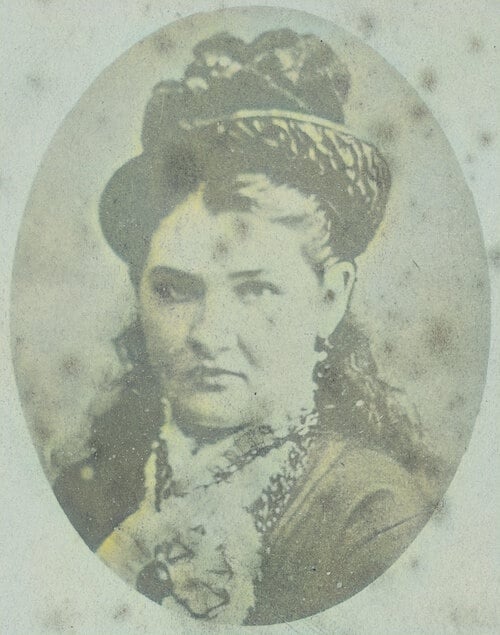

Portrait of Kate Kelly sister of Ned Kelly

⬅ See all events from 6 October

Spread the word on your favourite platform!

In Perth, Martha Rendell told neighbours her stepchildren suffered from chronic sore throats that she treated herself at home. In truth she was swabbing their throats with hydrochloric acid, a slow and agonising poisoning disguised as nursing. Her stepson Arthur Morris, 14, died of it on 8 October 1908; two of his siblings had already died the same way, but only Arthur’s death went to trial.

Convicted of his murder, Rendell was hanged at Fremantle Prison on 6 October 1909, the only woman ever executed in Western Australia.

She denied killing the children to the end, insisting she had only ever tried to cure them.

Martha Rendell
Martha Rendell

⬅ See all events from 6 October

Spread the word on your favourite platform!

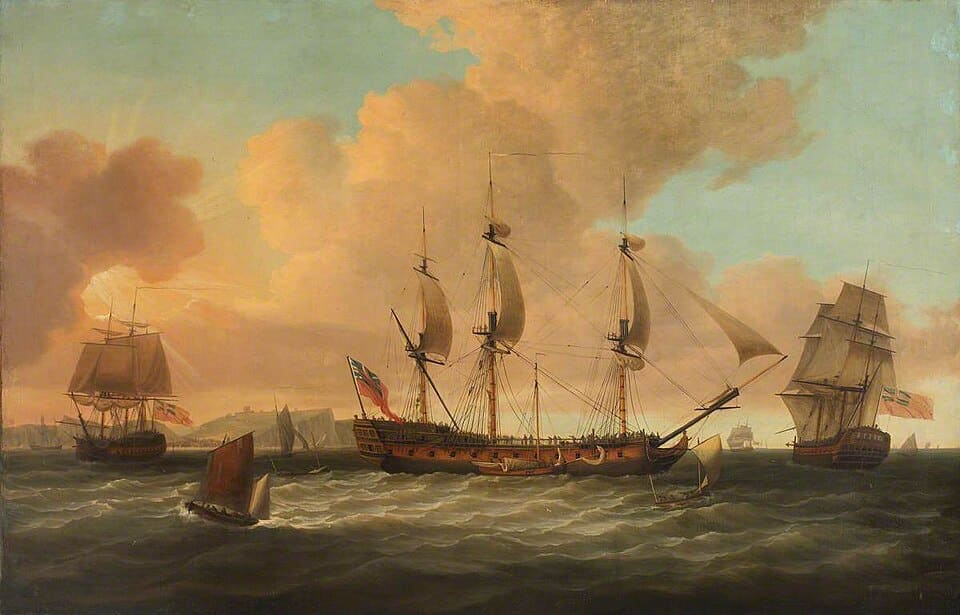
John Bevan arrived in Sydney aboard the Pitt in February 1792, after a gruelling eight-month voyage during which 29 convicts died, and many others arrived sick.

By 1794, Bevan had built a reputation for trouble in the colony and was caught in the act of breaking into the Sydney home of William Fielder. The case against him was considered overwhelming, and little time was lost: Bevan was convicted of burglary, sentenced to death and hanged on 6 October 1794.

He was buried at the old Sydney burial ground, little more than two and a half years after surviving the voyage that had brought him to New South Wales.

Painting of the East Indiaman Pitt and other sailing ships

⬅ See all events from 6 October

Spread the word on your favourite platform!

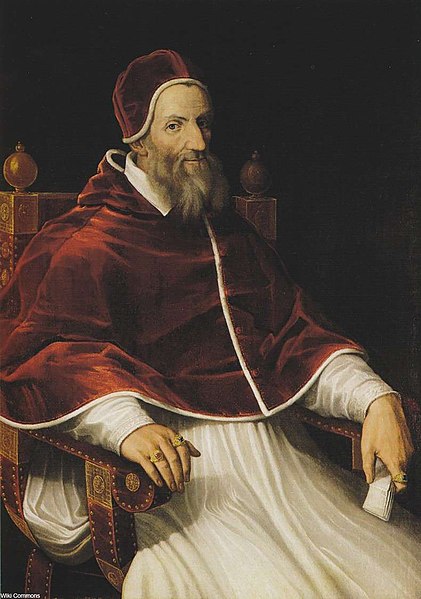
Thursday, October 4, 1582, went to bed as normal. The next morning, by papal decree, it was Friday, October 15. Pope Gregory XIII had just deleted ten days from the lives of everyone in the lands that adopted his new calendar, not through war or plague but with a stroke of the pen.

The old Julian calendar, running since Julius Caesar set it up in 45 BCE, drifted by about a day every century, slowly dragging the spring equinox out of place. Gregory’s fix was elegant on paper and bewildering in practice: landlords demanded a full month’s rent for a fortnight no one had lived through, wages fell short, and in some towns crowds accused the Church of stealing their days outright. The new rule that century years are only leap years if divisible by 400 quietly corrected the error for good, and the dates we live by today are still Gregory’s.

The Time Thief
The Time Thief

⬅ See all events from 5 October

Spread the word on your favourite platform!
On This Day in True Crime History
1794·The First Free Settler Murdered in the Colony: Hanged at Sydney for a Parramatta Stabbing
1826·The Gun That Misfired Twice: Three Bushrangers Hanged Outside Sydney
1873·A Tearful Confession in Custody Cracked the Case: Two Men Hanged at Perth Gaol for Eating their Victim
1889·He Called It an Accident. The Jury Called It Murder: Robert Landells Hanged at Melbourne Gaol
1907·A Doctor Fooled Twice: Martha Rendell and the Second Child to Die of Diphtheria
2002·Shot Dead in His Own Bed: A Melbourne Gangland Killing Blamed on a Friend
More Crime On This Day →

Subscribe to Dark Stories

True crime stories, dark history and tour news, straight to your inbox.