Pope John Paul I was found dead in his bed after just 33 days in office, the shortest papacy since 1605, with a religious devotional still in his hands. The Vatican initially claimed a priest had discovered the body; in truth it was a nun, Sister Vincenza, who found him, and officials lied about it out of embarrassment that a woman had entered the private papal quarters.

No autopsy was performed and the body was embalmed with unusual speed, feeding decades of speculation that he had been poisoned to stop him exposing corruption at the Vatican Bank. One theory even produced a mobster who claimed to have helped administer the poison. Later research drawing on confidential Vatican archives instead found a simpler explanation: a history of heart trouble, chest pains the night before his death, and no doctor ever called.
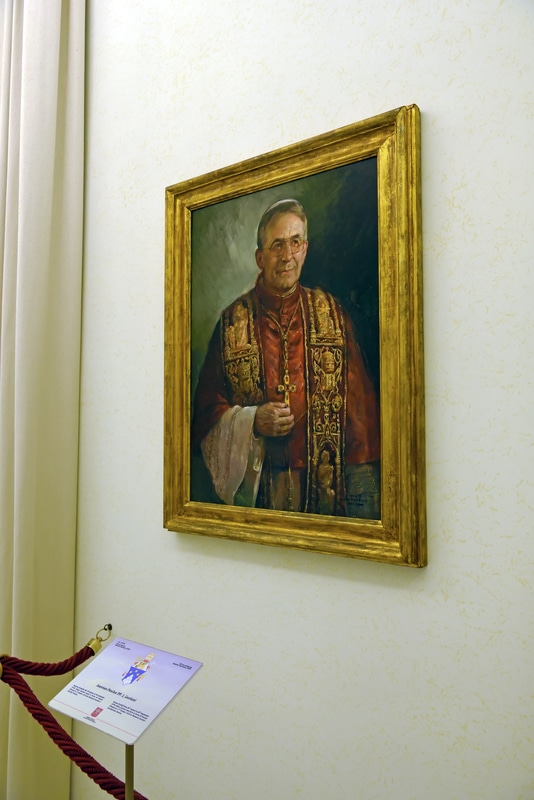

Castel Gandolfo Lazio Italy. Portrait of Pope John Paul I, albino luciani in the museum of the pontifical villas 11 Sep 2022 Castel Gandolfo Italy | ID 259284583 © Maudanros | Dreamstime.com
ID 259284583 © Maudanros | Dreamstime.com

⬅ See all events from 28 September

Spread the word on your favourite platform!

Daniel Grier and Charles Penson were hanged at Sydney in 1829 for nothing more than burglary: stealing from a dwelling house goods valued at just over five pounds, a sum that under the law of the day was enough to turn a break-in into a hanging offence.

They died on the same gallows as a young murderer, though their own execution became its own grim spectacle. As the drop fell, the rope twisted at the nape of Grier’s neck and his limbs quivered horribly for several minutes, while Penson spun briefly and died with barely a struggle. Before the ropes were adjusted, all three men on the scaffold had joined in singing a hymn together.

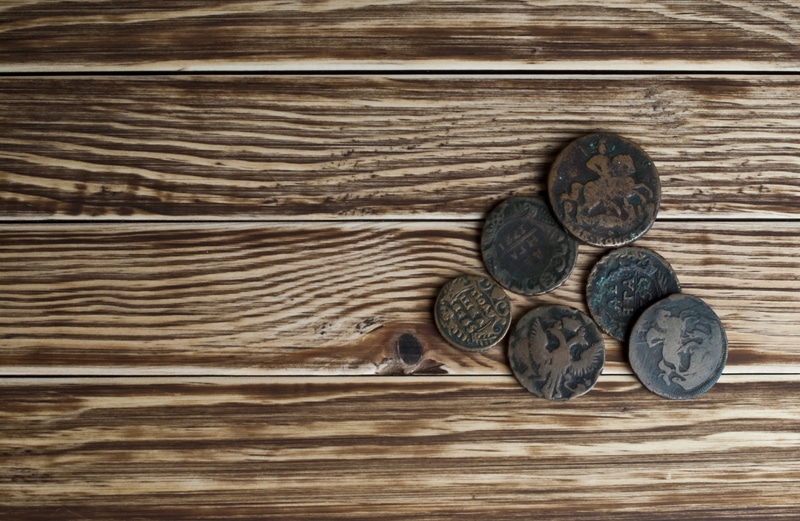
Old coins.
Old coins.

⬅ See all events from 28 September

Spread the word on your favourite platform!

At about one o’clock on the morning of 27 September 1869, Sheriff “Wild Bill” Hickok and his deputy responded to a disturbance at John Bitter’s Beer Saloon in Hays City, Kansas. A cowboy named Samuel Strawhun and several drunken companions were reportedly damaging the saloon. During the confrontation, Strawhun made remarks against Hickok, who shot him through the head, killing him.

Hickok maintained that he had been trying to restore order. Despite conflicting witness accounts, a jury at the coroner’s inquest ruled the shooting justifiable. Strawhun was the second man Hickok had killed during his first month as sheriff.

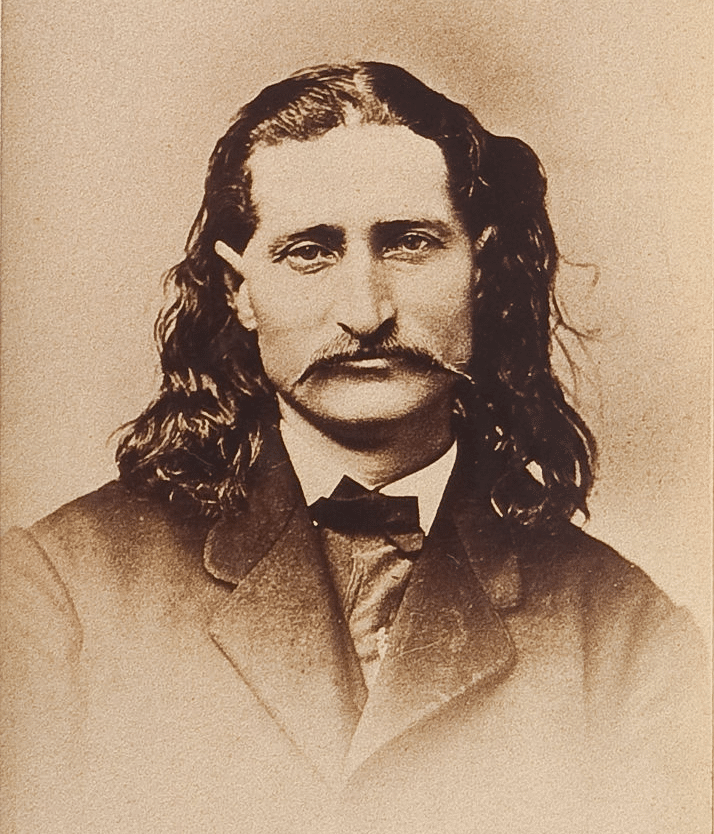
Sepia portrait of Wild Bill Hickok

⬅ See all events from 27 September

Spread the word on your favourite platform!

On September 27, 1969, at about 6.30 pm, the Zodiac Killer attacked Bryan Hartnell, 20, and Cecelia Shepard, 22, as they picnicked at Lake Berryessa in Napa County, California. He wore a black hooded costume marked with his crosshair symbol and, breaking from the shootings of his earlier attacks, stabbed both victims repeatedly. Hartnell survived; Shepard died two days later.

Before leaving, the killer used a black felt-tip pen to draw his crosshair signature on Hartnell’s car door, then listed beneath it the dates and locations of his previous attacks: Vallejo, 12-20-68, 7-4-69, and the day’s own assault, 6:30, by knife. The first date referred to the killing of David Faraday, 17, and Betty Lou Jensen, 16, on Lake Herman Road, and the second to the shooting of Michael Mageau, 19, and Darlene Ferrin, 22, in a Vallejo park, where Mageau survived and Ferrin died.

The note tied all three attacks together in the killer’s own hand at the scene, before any letter to police or press had been sent. He then drove roughly 27 miles to a car wash in downtown Napa and, from a payphone, calmly called the Napa County Sheriff’s Department himself at 7.40 pm to report the crime.

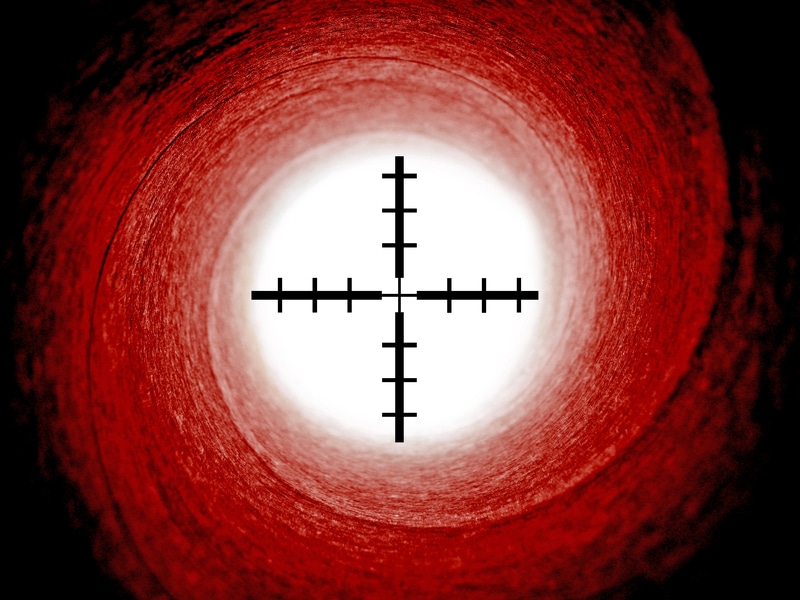
Symbolism
Symbolism

⬅ See all events from 27 September

Spread the word on your favourite platform!
On This Day in True Crime History

Subscribe to Dark Stories

True crime stories, dark history and tour news, straight to your inbox.