1974: Gerald Ford Pardons Richard Nixon for Any Crimes Committed in the Watergate Scandal

On September 8, 1974, President Gerald Ford granted former President Richard M. Nixon a full and unconditional pardon, covering any federal crimes he may have committed while in office during the Watergate scandal. The pardon came just a month after Nixon resigned the presidency on August 9, 1974, the first US president to do so, and it meant Nixon would never face criminal prosecution or trial over the affair.

Ford’s decision was hugely controversial, drawing accusations that a secret deal had been struck to spare Nixon accountability, and it is widely believed to have cost Ford the 1976 presidential election. No charges were ever brought against Nixon, and the pardon remains one of the most debated presidential acts in American history.
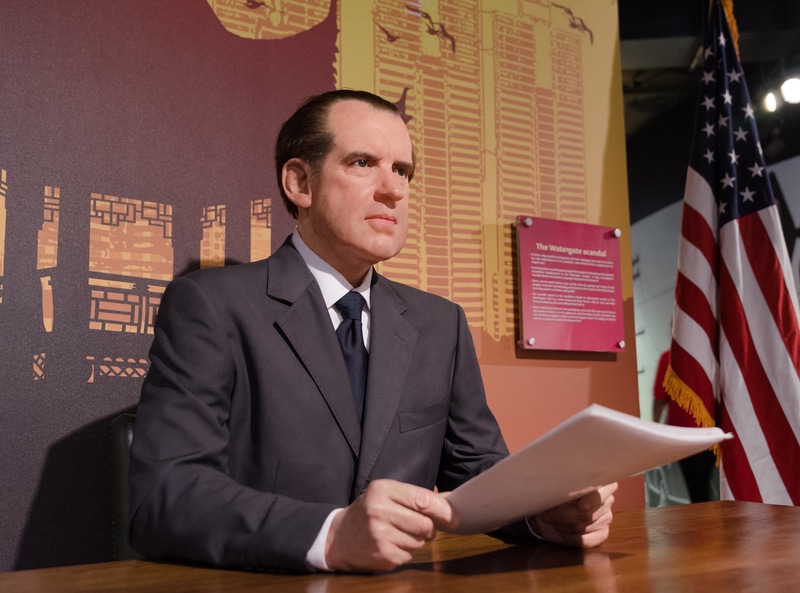

President Richard Nixon made of Wax. Wax figure Richard Nixon reading documents with american flag at desk | ID 59298060 © Lequint | Dreamstime.com
ID 59298060 © Lequint | Dreamstime.com

⬅ See all events from 8 September

Spread the word on your favourite platform!
True Crime Scene Tape

1904: “She Was Always Kind and Good to Me”: Employee Hanged at Melbourne Gaol for Murdering His Employer’s Wife

On the morning of 10 July 1904, Mrs Veitch, wife of baker A. C. T. Veitch, was found dead in the passage of the family’s bakery on O’Grady Street, Clifton Hill, a suburb of Melbourne. She still clutched a buggy whip in her hand, and a deep gash on one hand suggested she had fought desperately for her life. Whoever attacked her had locked the back doors, the front gate and the shop door beforehand, and had even tried to silence the family’s terrier tied up in the yard, evidence of careful planning rather than a chance intrusion.

The body was discovered by James Coleman Augustus Williams, an employee of the bakery who had been out on his delivery round. He raised the alarm after a boy came to buy bread and got no answer. Williams was soon charged with the murder, and at trial evidence pointed to a robbery gone wrong at the nearby office, though nothing suggested any personal grievance against the victim.

Williams was hanged at Melbourne Gaol on 8 September 1904.

The night before his execution, Williams wrote out a formal confession, insisting the killing was not for gain or lust but committed “in a fit of passion”, and that Mrs Veitch “was always kind and good to me”. He asked that the public not judge his family for what he had done and thanked the gaol’s governor and chaplains for their kindness to him in his final days.

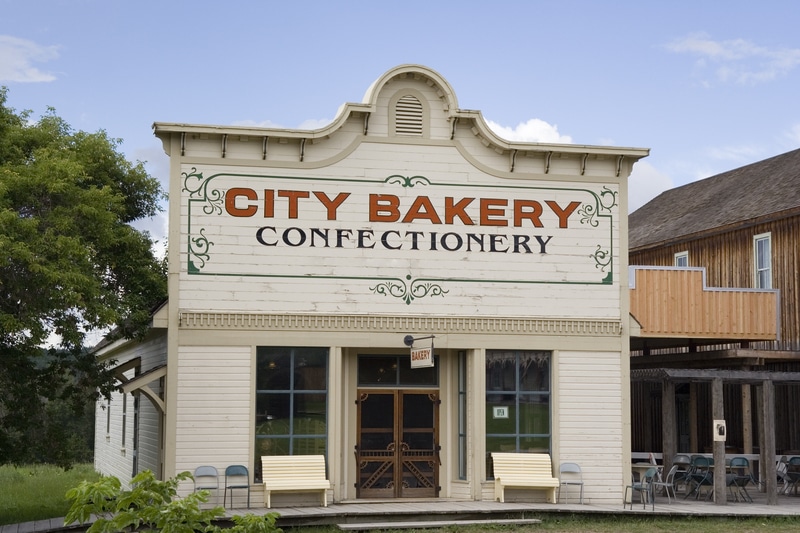
Vintage bakery storefront on a sunny day

⬅ See all events from 8 September

Spread the word on your favourite platform!
True Crime Scene Tape

1974: An Extra Femur Bone: the Discovery That Revealed a Third Victim of Ted Bundy

Hunters searching brush near Interstate 90 in Issaquah, Washington, about one mile from Lake Sammamish State Park, stumbled on fragmented human remains scattered across the ground. Forensic examination identified them as Janice Ott and Denise Naslund, two young women who had vanished from the park on the same afternoon in July 1974 after a man with his arm in a sling, calling himself Ted, asked each separately for help loading a boat onto his car.

Among the bones was one extra femur that did not belong to either woman. It was later attributed to Georgeann Hawkins, a University of Washington student who had disappeared weeks earlier while walking a short alley between her boyfriend’s dormitory and her sorority house, her body never otherwise found.

The discovery helped investigators connect a string of disappearances across Washington and Utah to the same killer, Ted Bundy, whose calm, disarming manner and use of a fake injury to lure victims would become one of the most chilling signatures in American criminal history.

Sammamish Lake and Mount Rainier in background near Seattle

⬅ See all events from 7 September

Spread the word on your favourite platform!
True Crime Scene Tape

1936: Neglect and Extinction: the Last Tasmanian Tiger Dies Alone at Hobart Zoo

The last known thylacine, a carnivorous marsupial, died in captivity at Hobart Zoo in Tasmania. The animal is believed to have perished from neglect, left exposed to extreme temperatures after keepers failed to provide adequate shelter.

Thylacines once ranged across mainland Australia and New Guinea before vanishing there thousands of years earlier, surviving only in Tasmania. Relentless hunting, driven by bounties paid to farmers who blamed the species for livestock losses, combined with the introduction of invasive predators, drove the population to collapse. Benjamin’s death marked the extinction of the species, a loss that went largely unnoticed at the time and was only recognised in hindsight as the end of a unique Australian predator.

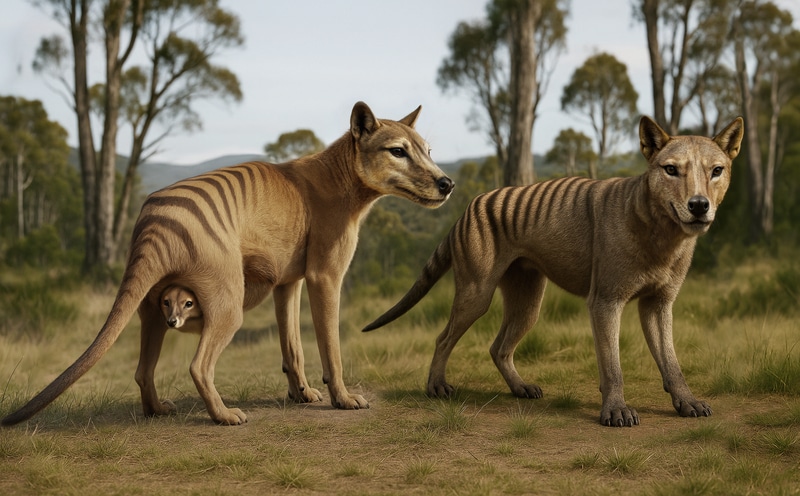
Thylacine mother with joey in pouch in Australian outback

⬅ See all events from 7 September

Spread the word on your favourite platform!
True Crime Scene Tape
On This Day in True Crime History

Subscribe to Dark Stories

True crime stories, dark history and tour news, straight to your inbox.