One night in May 1803, two masked men forced their way into the Hawkesbury home of Charles Palmer and his wife, clubbing both with the handle of an axe until Palmer lay senseless for two hours. They ransacked the house for money, bound the family and a child, and warned they would throw them into the river if the cash they insisted did not exist was not handed over.

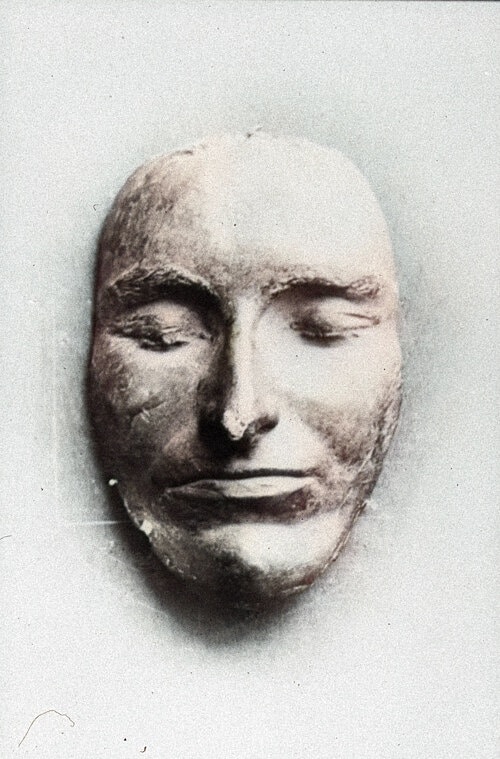
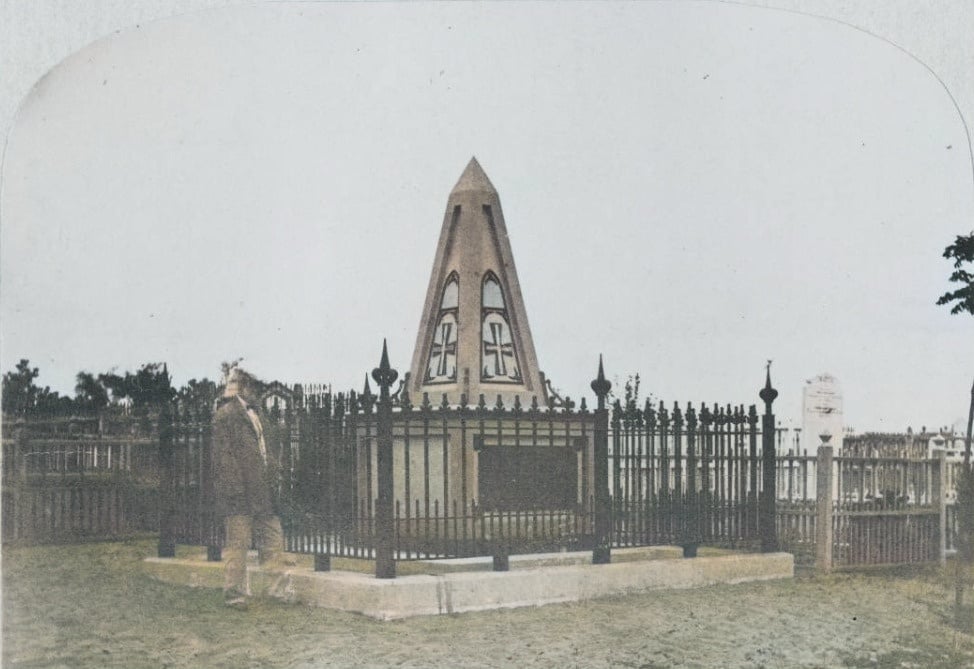
Stolen clothing later surfaced in the household of a woman who said it had been given to her to mend for Thomas McLaughlane the elder and his son. Both men were convicted and sentenced to death, but only the elder went to the gallows at Hawkesbury; of eight men condemned that session he was the third actually hanged, the rest reprieved into transportation for life.

At his trial the elder McLaughlane claimed the stolen goods had come from an informer already giving evidence in another case, a claim the informer flatly denied. On the scaffold he said nothing more, meeting his end, witnesses noted, with quiet decency.


Hand of a drowning man reaching above the sea surface

⬅ See all events from 7 October

Spread the word on your favourite platform!

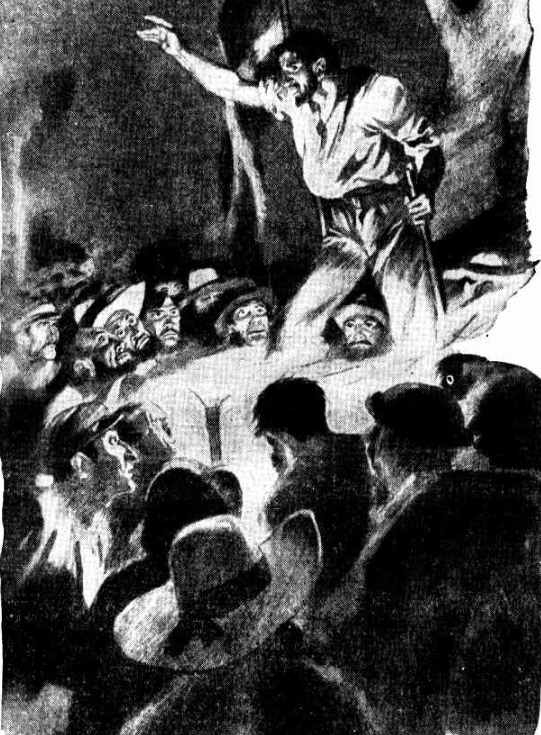
James Scobie, a Scottish gold miner, was killed outside Bentley’s Hotel at Ballarat on this date after he and a companion found the pub shut and tried to get in. A hand smashed through a window to strike him, the publican’s wife accused him of breaking it, and as he fled a group of men caught up with him; one blow, delivered with something Peter Martin, the only witness, described as resembling a battle-axe, killed him on the spot.

At the inquest that same afternoon, hotelkeeper James Bentley and his staff denied any involvement, and despite a strong case against them the magistrate let the matter drop. Miners furious at the whitewash burned Bentley’s Hotel to the ground, and only after public outcry was a fresh trial held at Melbourne‘s Supreme Court, where Bentley and two others were convicted of manslaughter. The anger over Scobie’s death and its botched cover-up became one of the sparks that lit the Eureka Rebellion weeks later.

Swearing allegiance to the Southern Cross flag.

⬅ See all events from 7 October

Spread the word on your favourite platform!

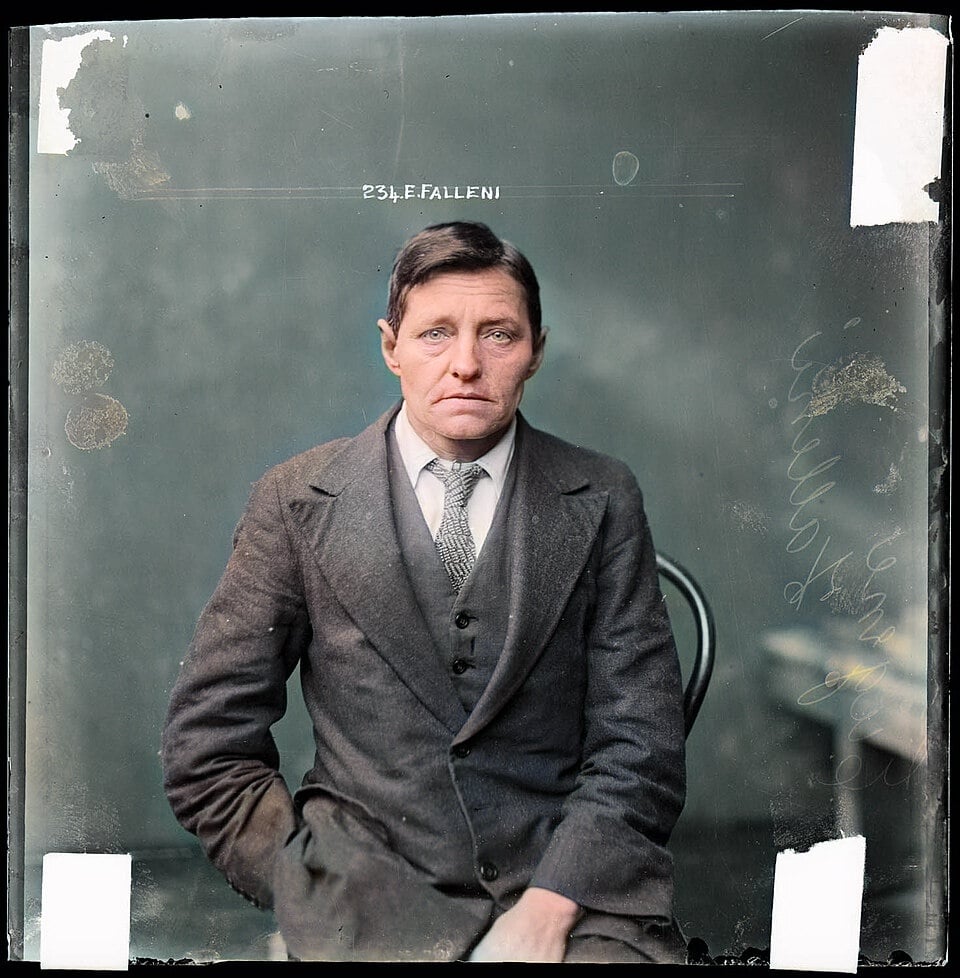
For about two decades, Eugenia Falleni lived as a man named Harry Crawford, working ordinary jobs and marrying a woman named Annie Birkett in 1913 without her ever suspecting the truth. The marriage held until Eight-Hour Day in 1917, when Birkett disappeared; her charred remains were later found in bushland near Lane Cove.

It took police years to connect Crawford to the body and to discover the deeper deception underneath. Tried at the Central Criminal Court in Sydney, Falleni was found guilty of murder and sentenced to death, a sentence later commuted to life imprisonment.

Eugenia Falleni 1920

⬅ See all events from 6 October

Spread the word on your favourite platform!

Caroline Grills earned the nickname Aunt Thally for the thallium she slipped into the tea and food of relatives and neighbours, a slow, trusted poisoner convicted in Sydney in 1953 after several deaths in her circle were finally traced back to her cheerful hospitality.

Sentenced to life, she was sent to the State Reformatory for Women, where she settled into prison life with the same warm, motherly manner that had once made her so welcome at other people’s tables. She kept making tea for fellow inmates right up until her death on 6 October 1960.

She never publicly expressed remorse for her crimes, dying as she had lived behind bars: smiling, sociable, and giving no hint of guilt.

Learn to make your own tea.

⬅ See all events from 6 October

Spread the word on your favourite platform!
On This Day in True Crime History

Subscribe to Dark Stories

True crime stories, dark history and tour news, straight to your inbox.