John George Haigh was an English serial killer who battered or shot his victims, then dissolved their bodies in sulphuric acid to erase all evidence. He forged his victims’ signatures to sell their possessions and collect large sums of money, a scheme he had refined through years of fraud and multiple prison terms. Though convicted of six murders, Haigh claimed to have killed nine.

Born in Stamford, Lincolnshire, and raised in Yorkshire by strict Plymouth Brethren parents, Haigh drifted from fraud into murder after becoming fascinated by French killer Georges-Alexandre Sarret, who had used acid to dispose of bodies. He was arrested in 1949 after police connected him to the disappearance of a widow whose remains, including gallstones and false teeth, survived the acid and were found at his workshop in Crawley, Sussex. Haigh was convicted at Lewes Assizes and hanged at Wandsworth Prison on 10 August 1949.
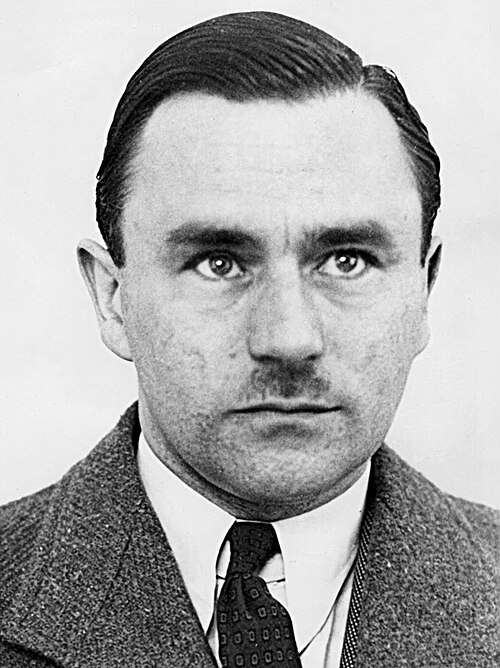

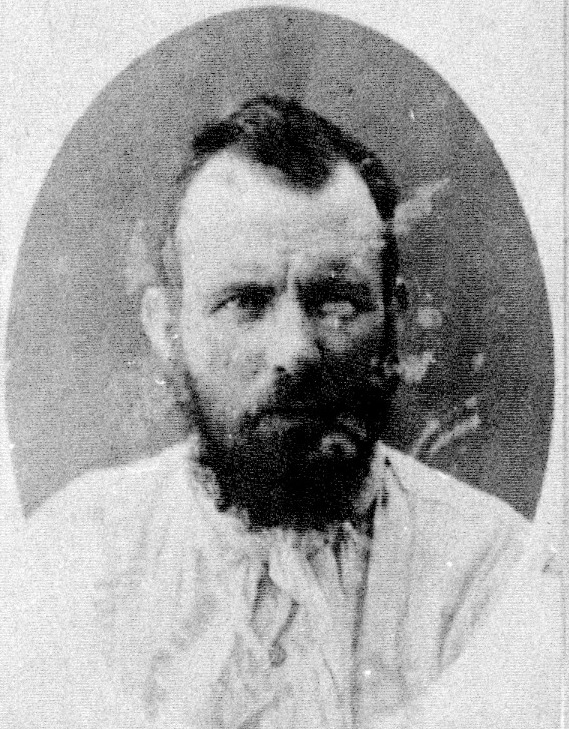
Portrait of john george haigh

⬅ See all events from 10 August

Spread the word on your favourite platform!

In July 1898, a Chinese man named Chee Hung vanished from Yam Creek in the Northern Territory. Days later, human bones were discovered in a neighbouring garden. Investigators found that Chee Hung had been accused of stealing gold, shot while fishing at a billabong, and then his body was cooked and dismembered with an axe to prevent identification. Lem Kai and his accomplice Chung Yeung were arrested and tried at the Circuit Court in March 1899, where circumstantial evidence was overwhelming and both men were convicted of wilful murder.

On 10 August 1899, both men were hanged in the yard of Fannie Bay Gaol in the presence of the deputy sheriff, gaol officials, and four justices of the peace. The executioner and his assistant were prisoners serving time in the gaol itself.

Both condemned men admitted their guilt to a Chinese missionary who attended them before the execution, and they met their deaths with composure.

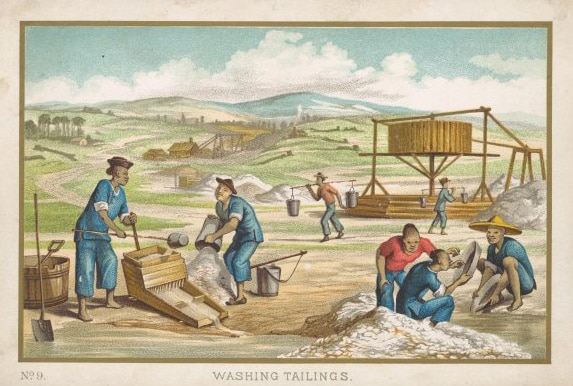
Workers washing mining tailings in the 1870s

⬅ See all events from 10 August

Spread the word on your favourite platform!

In the early hours of 9 August 1969, members of Charles Manson’s Family carried out the Tate murders at 10050 Cielo Drive in Los Angeles, leaving five dead. The killings were the first act in what Manson called Helter Skelter, an apocalyptic race war he had been prophesying since at least New Year’s Eve 1968, drawing on the Book of Revelation and the Beatles’ 1968 White Album. Manson believed the murders, staged to look like the work of Black militants, would ignite a war between the races from which the Family would emerge as rulers.

At trial, prosecutor Vincent Bugliosi used the testimony of Family member Paul Watkins to reconstruct the vision in full. Bugliosi later detailed the case in his 1974 book, Helter Skelter: The True Story of the Manson Murders. Manson and three co-defendants were convicted on all charges of conspiracy and murder, though some writers, detectives, and even participants have since argued the killings were also driven by copycat motives or revenge for a bad drug deal.

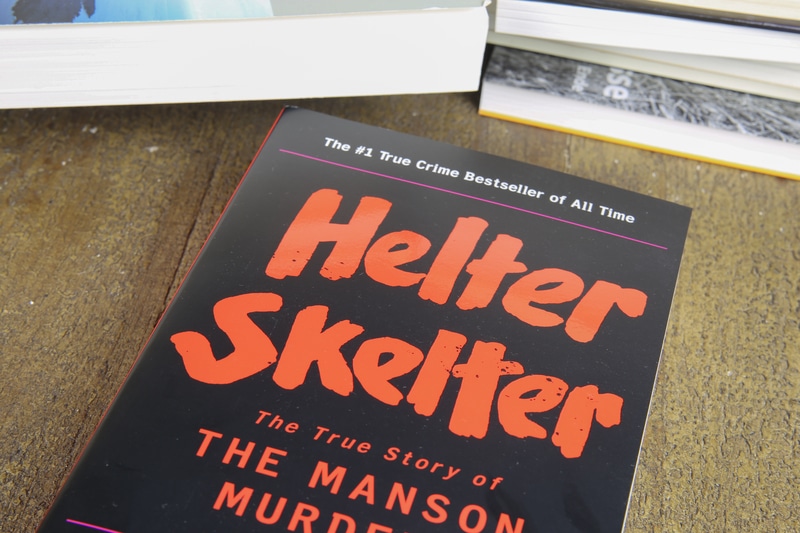
Viersen, Germany - May 9. 2020: View on isolated book cover about story of manson murders with pile of books background | ID 197949551 © Ralf Liebhold | Dreamstime.com
ID 197949551 © Ralf Liebhold | Dreamstime.com

⬅ See all events from 9 August

Spread the word on your favourite platform!

On the evening of 9 August 1987, 19-year-old Julian Knight opened fire on motorists and pedestrians along Hoddle Street in Clifton Hill, a suburb of Melbourne, killing seven people and seriously injuring 19 others. Knight had been discharged from the Royal Military College, Duntroon just 16 days earlier following a fight and stabbing at a bar. He returned home to find his girlfriend had left him and his mother had converted his bedroom. Armed with multiple weapons, he took to the street.

After a police chase lasting more than 30 minutes, Knight was caught in nearby Fitzroy North and arrested. He was later sentenced to seven concurrent life terms, with a non-parole period of 27 years, for what the presiding judge described as ‘one of the bloodiest massacres in Australian history’. As Knight neared parole eligibility in 2014, the Victorian Government amended the Corrections Act to prevent his release unless he was in imminent danger of dying or physically incapable of causing harm.

The Hoddle Street Massacre: Seven Dead in <a href='https://darkstories.com.au/melbournes-true-crime-tour/' target='_blank' rel='noopener noreferrer'>Melbourne</a> Shooting Rampage” style=”max-width:50%; height:auto; display:block; margin:16px auto;”/></p>
<p style=⬅ See all events from 9 August

Spread the word on your favourite platform!
On This Day in True Crime History
1853·"I Would Finish You Now": Hanged in Melbourne for the Murder of His Mistress
1853·The Young Witness Testifies: Alexander Ram Hanged in Melbourne for Murdering Kitty Hennessy
1883·Hanged in Perth, Each Still Blaming the Other to the End
1885·Hanged in Brisbane After a Feverish Stockman Shot the Manager Who Denied Him Hospital
1888·Mutiny on the Brisbane River: the Captain Who Threatened to Turn His Guns on Parliament
1926·The Gold He Took to His Grave: Two Men Hanged in Fremantle for Killing Two Police Officers
More Crime On This Day →

Subscribe to Dark Stories

True crime stories, dark history and tour news, straight to your inbox.