Archives: Dark Stories: On This Day In True Crime History
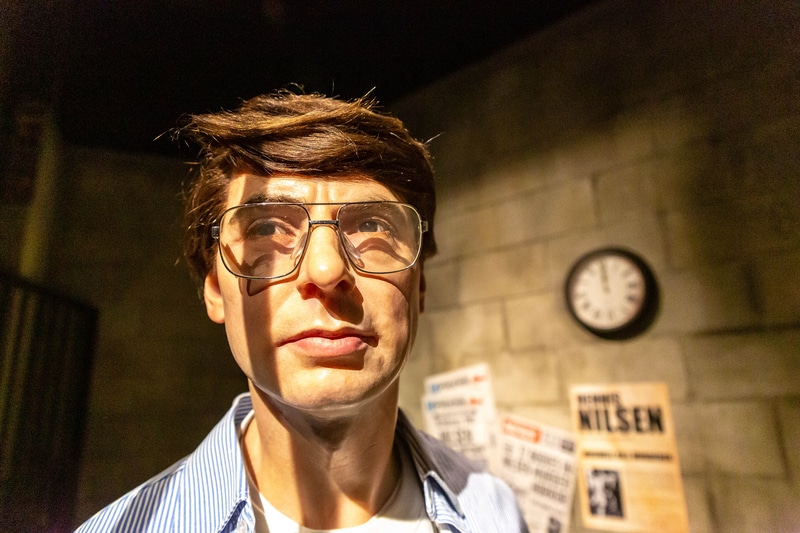
Dennis Nilsen’s trial opened on this day in 1983, more than a year after police finally traced human remains blocking the drains outside his London home. He had preyed on homeless and vulnerable men he met in pubs, luring them back to his flat before killing them, and once arrested he confessed with chilling thoroughness, filling fifty notebooks with the details of his crimes.
Charged with killing 15 men, Nilsen entered a plea of not guilty by reason of diminished responsibility as proceedings began, arguing that a disturbed mental state, not deliberate will, lay behind the killings.
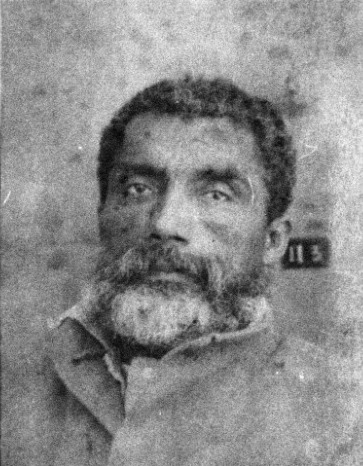
William O’Brien lost his Lancefield farm when the Commercial Bank foreclosed on his mortgage, and he swore to shoot whoever dared buy it next. Two years later, farmer Peter McAinsh took up the land anyway. On 24 July 1884, McAinsh left a local hotel for the walk home and was found dead on a dark road, shot in the head and groin, a bottle of gin still cradled under his arm.
Suspicion fell on O’Brien at once. Aboriginal trackers brought in from Queensland followed boot prints from the murder scene straight to his hut and back again, while a recently fired gun and matching shot were found inside. After a five-day trial, he was convicted and sentenced to death.
O’Brien was hanged in Melbourne on this day in 1884. The night before, he thanked the gaol staff for their kindness, warning he might be nervous on the drop; on the scaffold, asked if he had anything to say, he answered only “nothing” and bowed his head before the bolt was drawn.
Unidentified country road rural Australia early 1900s photograph
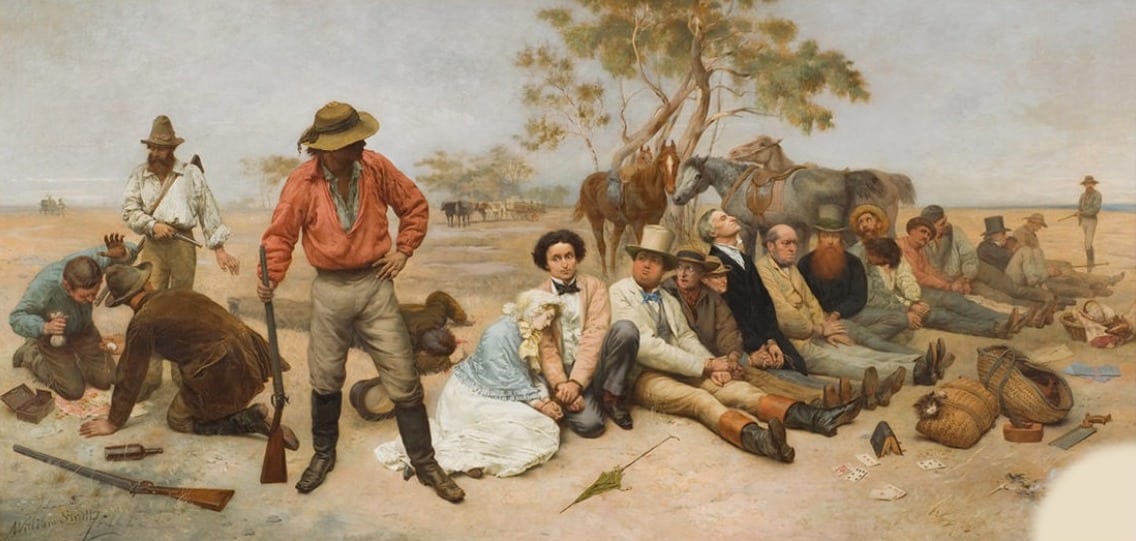
Henry Bradley and Patrick O’Connor absconded from assigned service in northwestern Tasmania and broke into a settler’s homestead on the night of 14 September 1853, tying up the household room by room. When the owner escaped through a window, the pair turned on his young relation, Alfred Phillips, and shot him dead as he begged them to spare the women and children.
To vanish from the island, they forced the crew of the schooner Sophia to sea at gunpoint, keeping a hostage tied to the mast until they reached Victorian waters. There they kept robbing, wounding one man near Brighton, until a police patrol cornered them near Kilmore. In the gunfight that followed, Bradley and O’Connor shot mounted Cadet Thompson through the chest; captured the next day after a second running battle, they boasted to their captors of already having killed six people back in Van Diemen’s Land.
Convicted of shooting Thompson, both men were hanged together in Melbourne on 24 October 1853.
On the scaffold, Bradley said he was willing to die and had already dictated a letter confessing the full extent of his crimes; O’Connor remained defiant to the end, refusing to join seriously in the priest’s prayers.
Bushrangers working sketches State Library Victoria
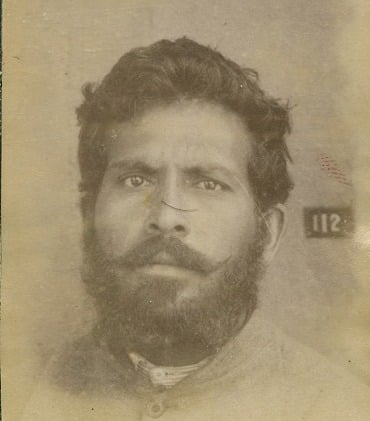
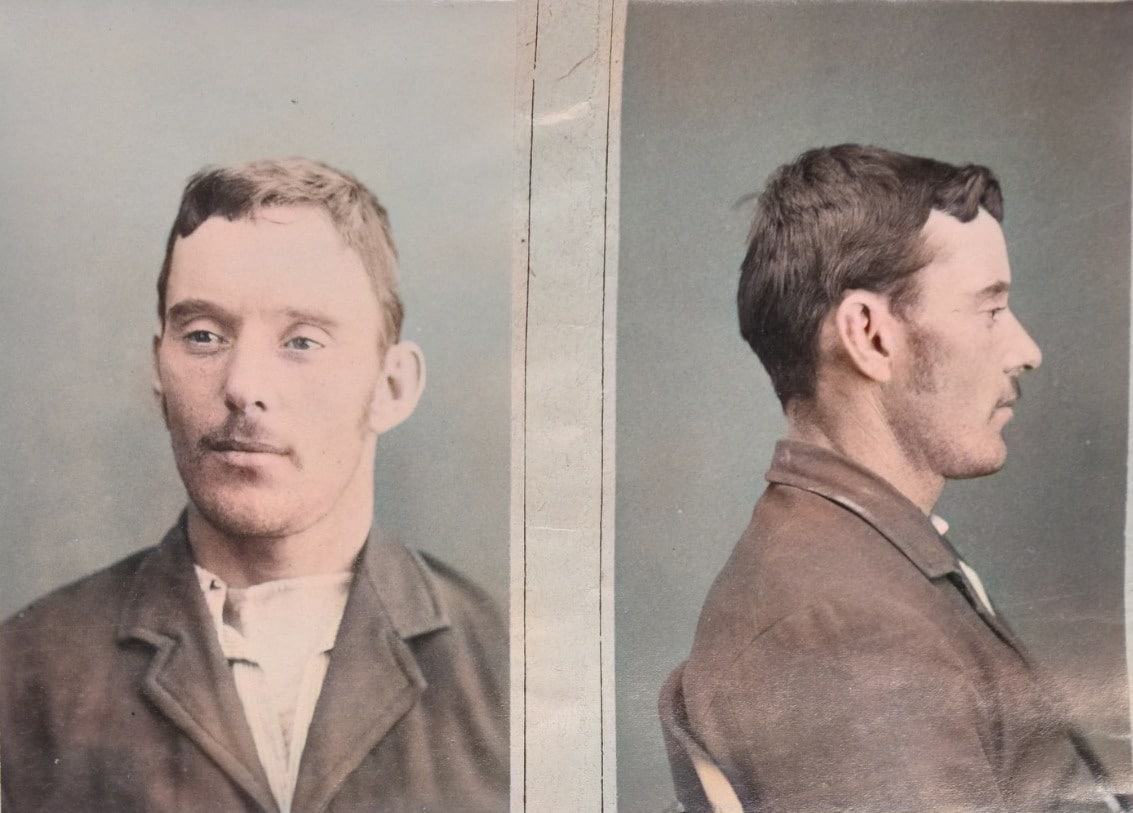
Charles Gleeson was cook at a shelling station on Prince of Wales Island in the Torres Strait, and Patrick McKiernan, by his own later account, was the only man there he actually liked. That did not stop him shooting McKiernan dead with a stolen shotgun one Wednesday morning that May, then wandering the bush armed until Water Police talked him into surrendering, backed by a settler on horseback who held him at gunpoint.
Gleeson was quiet and composed when brought before a magistrate, offering no reason for the killing. He was convicted and hanged in Brisbane on 24 October 1892, sharing the scaffold with William Moncado, condemned separately for the murder of a ship’s boy at Thursday Island; witnesses said Gleeson twitched convulsively for ten minutes before he died.
“Poor Paddy, the only man on the station that I liked, and now I have shot him,” he said when shown the body, the closest thing to an explanation he ever gave.
Charles Gleeson in custody: Queensland State Archives, Item ID ITM2947