1721: Executed at Twenty: The Soldier Who Claimed He Was Defending His Honour

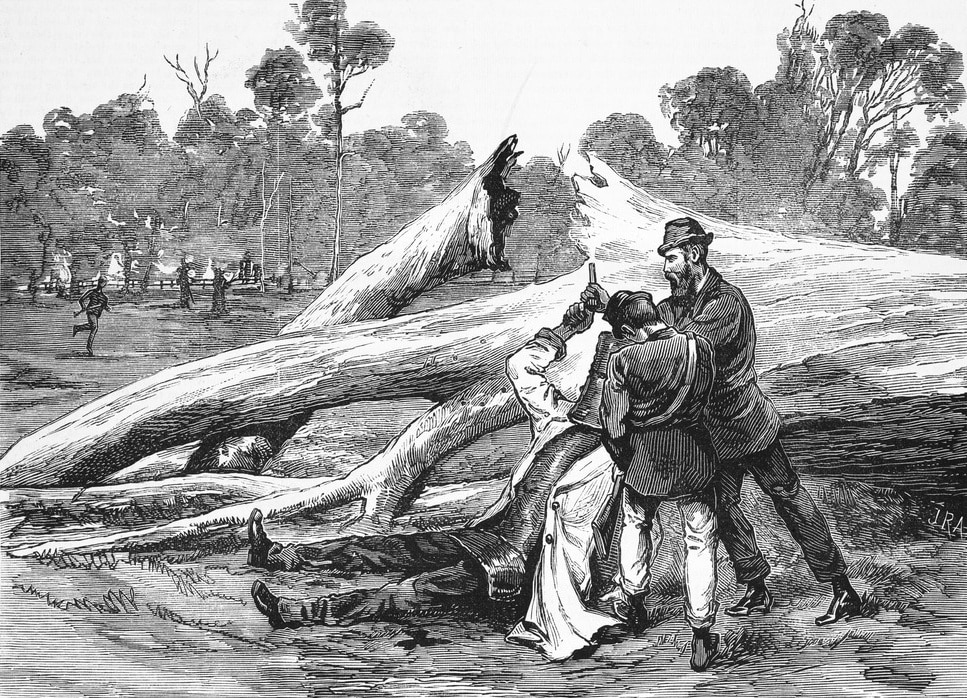
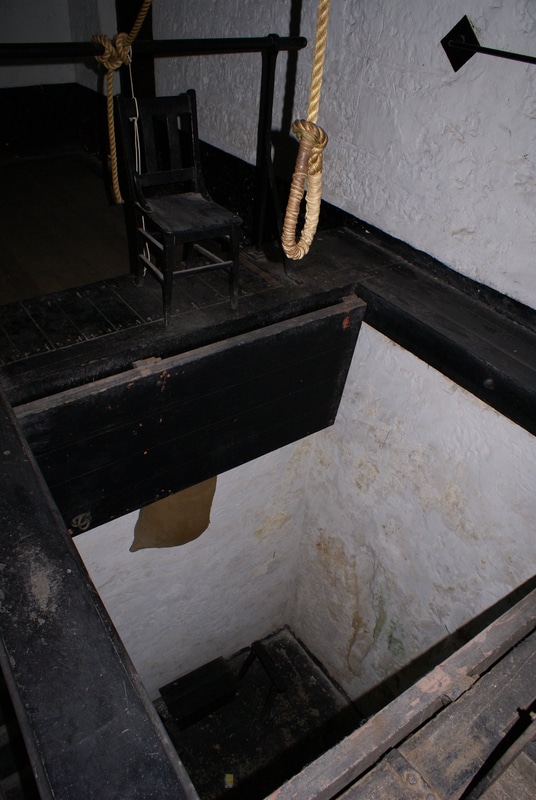
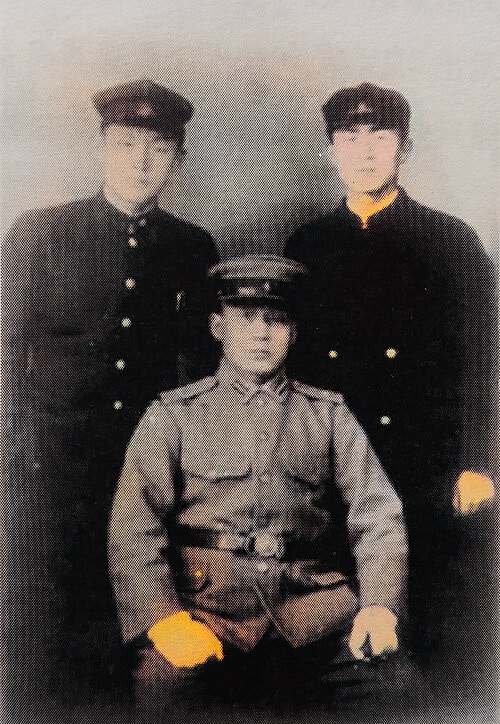
William Casey, a young Guardsman only about twenty years old, was hanged in London on 11 September 1721 after being convicted of robbing a man named John Stone in a city park. Casey never accepted the charge; he insisted the confrontation had nothing to do with theft and everything to do with Stone making indecent advances toward him, a claim that, if true, cast the entire prosecution in a very different light.

At the gallows Casey did not simply protest verbally. He left behind a written statement formally proclaiming his innocence of the robbery, a deliberate act by a condemned soldier determined that his version of events would outlive him.

“He maintained until death that the confrontation arose because Stone had made indecent advances toward him” and went to his execution still denying the crime for which he was hanged.

William Casey: The Soldier Accused of Robbery in the Park

⬅ See all events from 11 September

Spread the word on your favourite platform!
True Crime Scene Tape

1863: The Escape-Proof Prison That Wasn’t: Captain Thunderbolt Breaks Out of Cockatoo Island

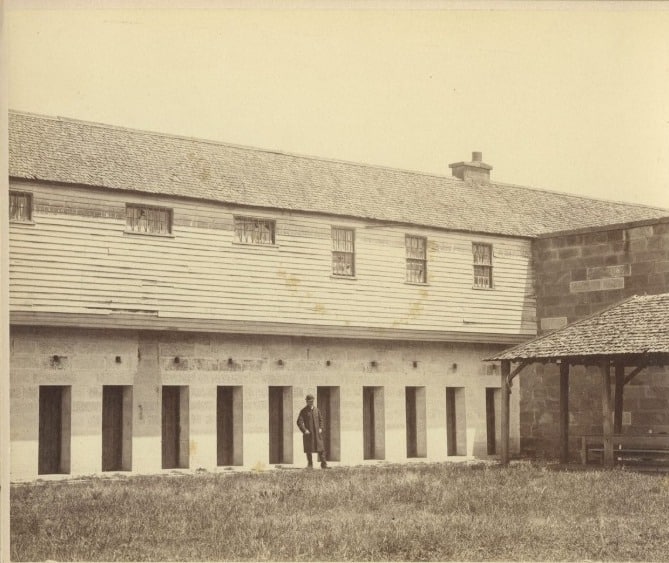
Frederick Wordsworth Ward, the bushranger known as Captain Thunderbolt, was serving time on Sydney‘s Cockatoo Island, a prison ringed by harbour currents and sheer sandstone cliffs and widely declared impossible to escape. On the night of 11 September 1863, Ward slipped his cell and plunged into the water, swimming through the cold, shark infested harbour to the mainland shore.

The breakout humiliated colonial authorities and turned Ward into a folk figure almost overnight. He spent the next seven years roaming the bush of northern New South Wales, robbing coaches, inns and travellers as one of the colony’s most enduring and elusive bushrangers before he was finally shot dead by police near Uralla in 1870.

Cockatoo Island, Sydney, 1951. Photograph by Frank Hurley. National Library of Australia, PIC FH/7951. Out of copyright.

⬅ See all events from 11 September

Spread the word on your favourite platform!
True Crime Scene Tape

1721: The Housebreaker Who Could Not Stay Away: Hanged at Tyburn for Returning from Transportation

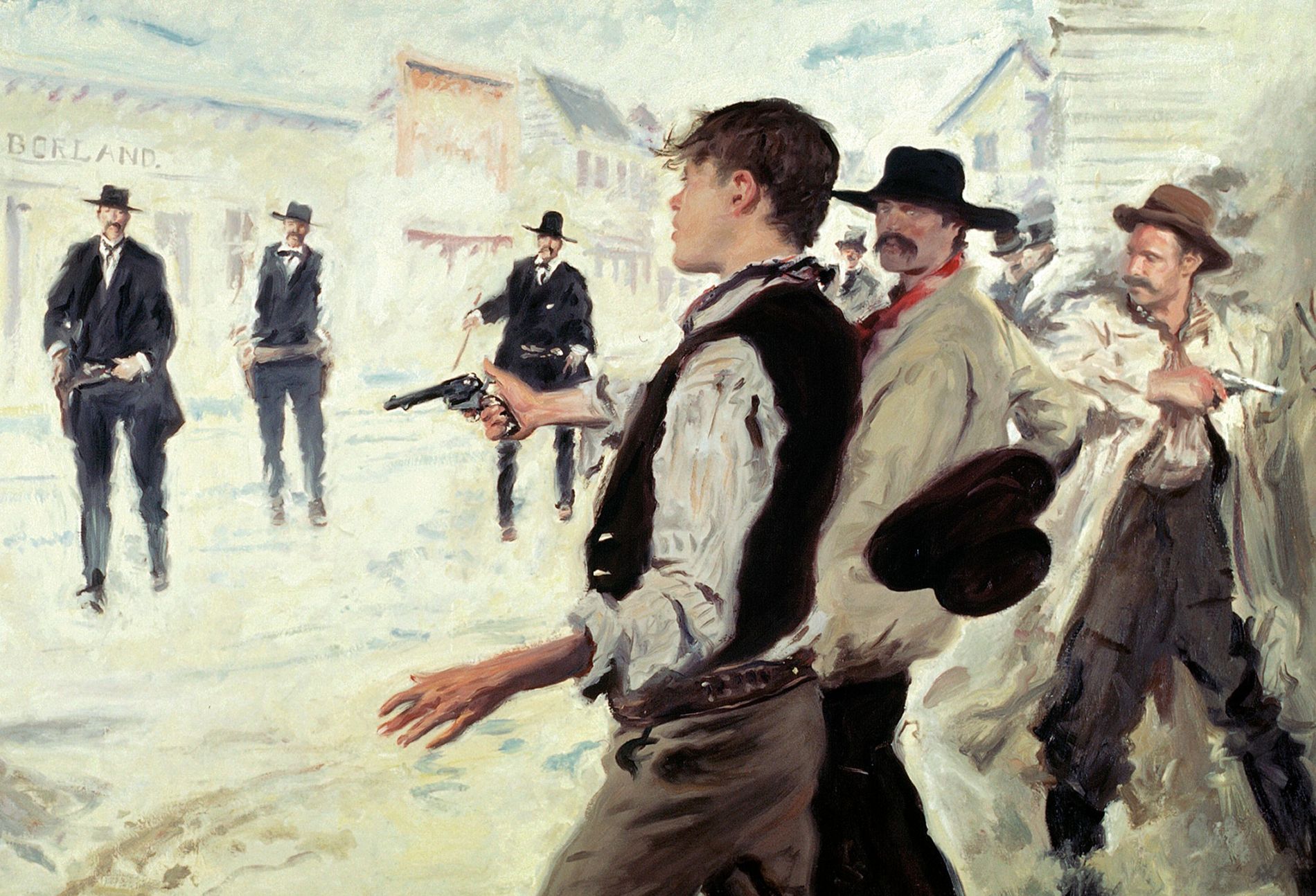
John Meff was a housebreaker who had already cheated the gallows once, having been convicted and then transported to the colonies rather than executed. But transportation was meant to be permanent exile, and Meff broke its terms by making his way back to England, a crime that under the law of the day carried the same penalty as the original offence: death.

He was arrested, tried, and sentenced to hang for illegally returning from transportation. On 11 September 1721 he was taken to Tyburn and executed at the age of forty, going to the gallows alongside James Redding, who had been condemned separately for robbery.

For Meff the return to Tyburn marked the end of a second chance he could not keep: having once escaped the noose through transportation, the simple act of coming home proved fatal.

Life of John Meff_featured

⬅ See all events from 11 September

Spread the word on your favourite platform!
True Crime Scene Tape

1978: The Umbrella That Killed: Assassinated with a Ricin Pellet

Bulgarian dissident Georgi Markov was waiting for a bus on Waterloo Bridge in London when he felt a sudden sharp pain in his leg. He turned to see a man pick up a dropped umbrella and hurry away, offering a mumbled apology. Markov thought little of it until a small red mark and fever set in over the following days.

The umbrella had been rigged to fire a tiny pellet packed with ricin, a poison for which there was and is no antidote. Markov died four days later, on 11 September 1978, from the resulting blood poisoning, becoming one of the most infamous casualties of Cold War espionage.

His killer would not be identified for almost three decades. It was not until 2005 that leaked files named the assassin as Francesco Gullino, an agent working for the Bulgarian secret service, though he was never extradited or tried for the murder.

Umbrella gun.
Umbrella gun.

⬅ See all events from 11 September

Spread the word on your favourite platform!
True Crime Scene Tape
On This Day in True Crime History

Subscribe to Dark Stories

True crime stories, dark history and tour news, straight to your inbox.