2005: BTK Killer Dennis Rader Sentenced to 175 Years for Ten Murders

Dennis Rader, a church council president and compliance officer from Wichita, Kansas, was sentenced to ten consecutive life terms totalling 175 years in prison for a killing spree that began in 1974 and claimed ten lives over three decades. Methodical and media-savvy, he bound, tortured, and killed his victims, earning the acronym BTK. He stalked neighbours, executed families, and kept trophies, all while living an unremarkable suburban life.

Rader had evaded capture for thirty years before his own need for notoriety led to his undoing. In 2004 he resumed contact with police and local media after a long silence. A floppy disk he sent to a television station was traced back to his church computer, and he was arrested in February 2005. He pleaded guilty to all ten murders in June 2005 and was sentenced in August of that year, using his final court appearance to describe each killing in cold, methodical detail.

Forensics expert examining floppy disk with magnifying glass

⬅ See all events from 18 August

Spread the word on your favourite platform!

1612: The Pendle Witch Trials Begin: Eleven Accused in One of England's Most Documented Witchcraft Cases

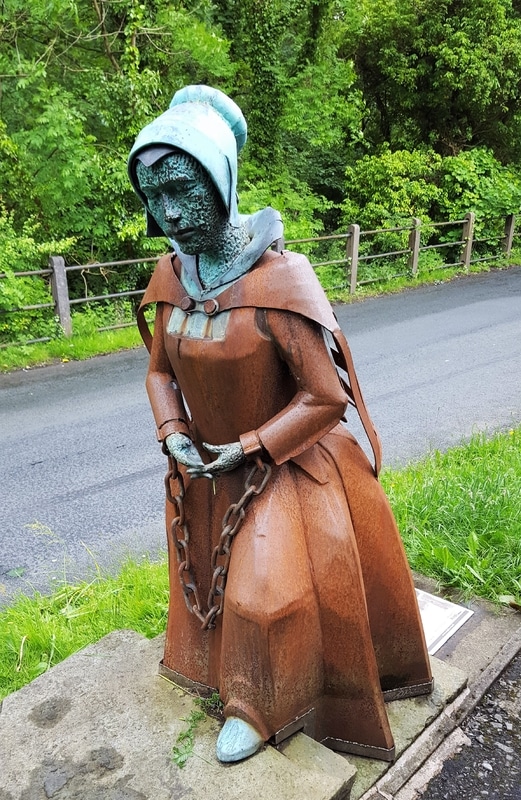
In August 1612, eleven people stood trial at Lancaster Castle accused of witchcraft in one of the most thoroughly documented witch trials in English history. Six of the accused came from two rival poverty-stricken families: the Demdikes, led by Elizabeth Southerns known as Old Demdike, and the Chattoxes, led by Anne Whittle known as Mother Chattox. The trials unfolded against a backdrop of religious unrest in Lancashire, a region long regarded as resistant to Protestant authority and sympathetic to Catholicism.

Ten of the eleven were found guilty and executed. The proceedings were recorded in an official publication, The Wonderfull Discoverie of Witches in the Countie of Lancaster, by court clerk Thomas Potts, ensuring the case survived as legend. In a country where fewer than 500 people were executed for witchcraft over three centuries, this single summer of trials in Pendle accounts for roughly 2% of that total.

Sculpture of Alice Nutter famous English witch. Sculpture of Alice Nutter captured on the way to Pendle hill, famous witch trail and the history of the English witch craft. | ID 113675970 © Milosz Kubiak | Dreamstime.com
ID 113675970 © Milosz Kubiak | Dreamstime.com

⬅ See all events from 18 August

Spread the word on your favourite platform!

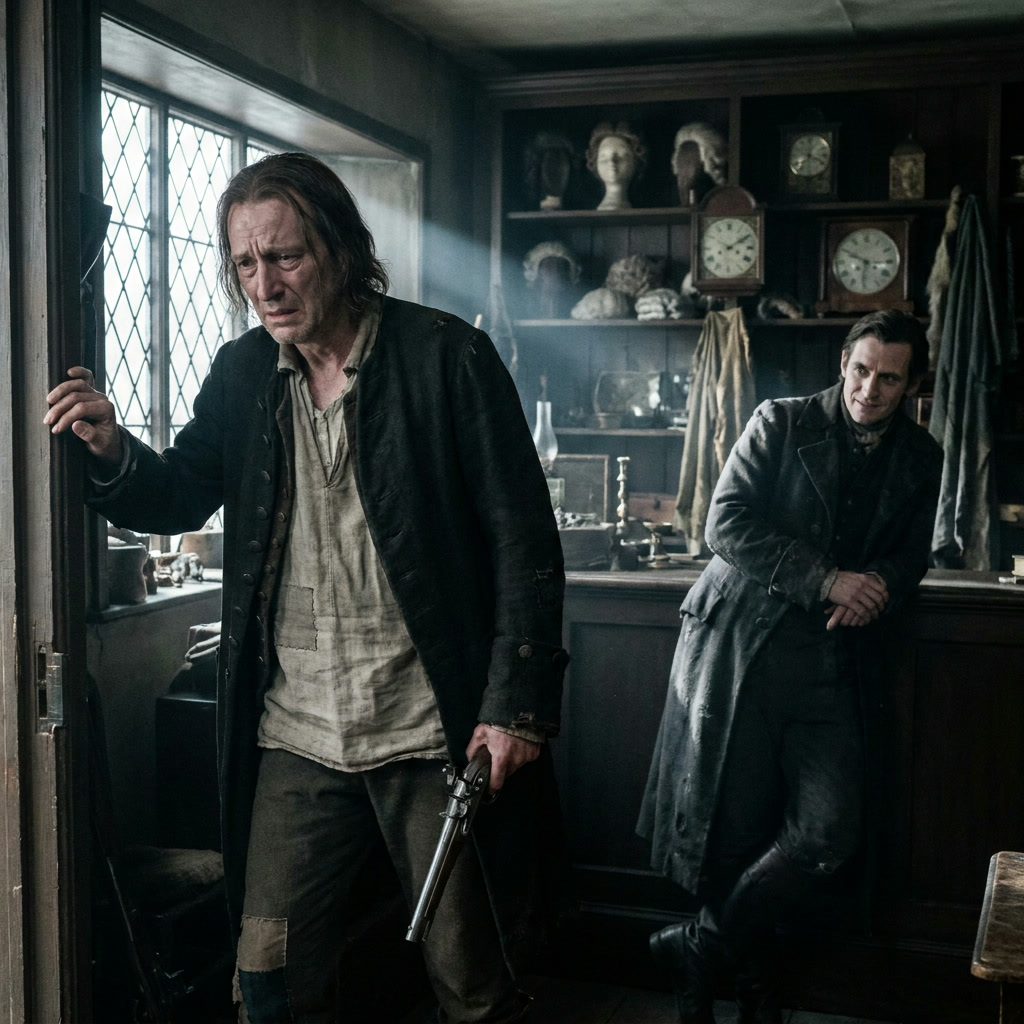
James Wright: The Weeping Highwayman of Old England

James Wright is a man who robs travellers on the roads of old England with tears running down his face. Born in Enfield to honest, hardworking parents, he is apprenticed to a peruke-maker and sets up shop in the Old Bailey: a respectable start that unravels when his appetite for women and leisure drains every penny he earns.

Reduced to downright want, Wright convinces himself that taking from the rich is a lesser sin; he never robs a poor man. It is a distinction that lets him sleep at night: but the roads of old England are not forgiving places, and the line between a gentleman thief and a condemned man is thinner than he knows.

Listen now and follow James Wright down the darkening road where conscience and crime ride side by side.

James Wright: The Weeping Highwayman of Old England

Follow the podcast so you never miss an episode:

Apple PodcastsSpotifyAmazon MusicMore apps

FROM THE 1735 TEXT

hardly ever robbing a passenger without tears in his eyes

CASE FILE No. 14
NAMEJames Wright
AGEabout 34
WHEN1721
WHERESurrey, London, Marlborough Street
CHARGEHighway robbery
FATEHanged, 22 December 1721
SOURCELives of the Most Remarkable Criminals, 1735
HANGED

Dark Lexicon: Old words. Dark meaning.

The past speaks its own dialect; here is what to listen for in this episode.

Peruke-maker: a craftsman who made perukes, the elaborate powdered wigs that were standard wear for respectable men in old England. It was a skilled and profitable trade: enough to set a young man up in life, if he could keep his spending in check.

Equipage: today this word sounds quaint, but in old England it meant the visible trappings of wealth: a fine coach, liveried servants, matched horses. Wright used a victim's equipage the way a modern thief might size up a luxury car; the grander the display, the fatter the purse inside.

Impeached: in modern English, impeachment is a formal charge against a head of state. In old England it meant something more personal and more dangerous: to be accused or informed upon by a former associate. Being impeached by a companion was often a death sentence, because the informer's testimony came with firsthand knowledge no alibi could shake.

Assizes: the travelling courts that moved through the counties of old England, bringing royal justice to places far from London. An acquittal at the assizes in Kingston gave Wright a second chance; it also gave him a false sense of safety.

Newgate: London's most notorious gaol, a place of filth, disease and dread. Prisoners awaiting execution spent their final days here, sometimes attending chapel in its walls: a grim rehearsal for the hereafter.

Malefactor: a wrongdoer or criminal. In old England the word carried a heavier moral weight than it does today; it marked a person not just as a lawbreaker but as someone who had chosen evil.

Ignominious: shameful, deeply dishonourable. Wright used the word himself when refusing to name his associates; he did not want to send them to an ignominious death. The public hanging was designed to be exactly that: a spectacle of shame as much as punishment.

About This Series

Lives of the Most Remarkable Criminals (1735) is one of the earliest works of true crime in the English language. Each week this podcast retells one of its stories for today's listener, keeping the old book's most striking lines.

Spread the word on your favourite platform!

1891: Arthur Cooley Hanged at Campbell Street Gaol for the Murder of Mary Camille Ogilvy

Mary Camille Ogilvy, wife of a magistrate of Inverquharity station near Richmond, Tasmania, was shot dead on the morning of 14 August 1891 while walking back from the gate after seeing her husband off to the Richmond Police Court.

Her body was found the following dawn, pinned beneath a willow in the Coal River, with part of her skull destroyed by a gunshot. Evidence suggested she had been shot some 50 yards from the water and her body dragged to the riverbank. A search party of nearly 100 people with lanterns had scoured the district through the night before she was found.

Arthur Cooley, a young man already on bail awaiting trial for an assault charge, was arrested as the prime suspect and faced a coroner's inquest that same Saturday afternoon. Public anger in the district was described as approaching lynching point. Cooley was convicted of the murder and hanged at Campbell Street Gaol on 17 August 1891.

Hobart Gaol prison exterior historic stone building

⬅ See all events from 17 August

Spread the word on your favourite platform!

On This Day in True Crime History

Subscribe to Dark Stories

True crime stories, dark history and tour news, straight to your inbox.