1808: The Bushranger Who Apologised Mid-Robbery, Then Hanged at Sydney

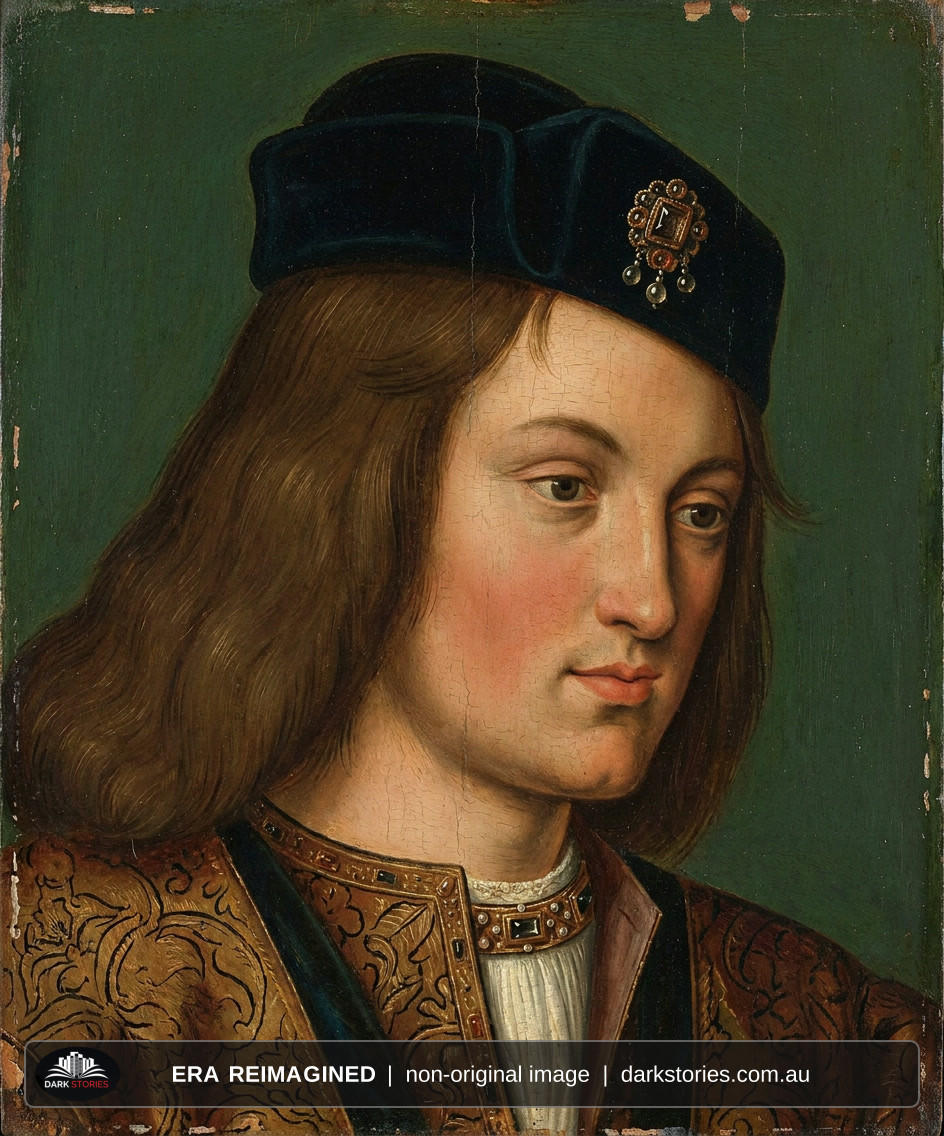
Hugh Dowling and his accomplices broke into William Styles's house near the Nepean River in 1808, beat a sleeping servant unconscious, bound Styles's wife as she nursed an infant, and ransacked the home at gunpoint. When Styles's wife protested handing over her husband's watch, Dowling reportedly replied, "I ask your pardon madam," before taking a pipe instead and settling in to smoke tobacco with his companions before leaving.

He wore a crude crape mask, but it slipped while he examined stolen banknotes by candlelight, and Styles's wife later swore in court that she had seen his bare face clearly enough to identify him without doubt. Convicted despite an alibi the court found riddled with contradictions, Dowling was sentenced to death and hanged the following Thursday.

Dowling maintained his innocence through trial, but the alibi he offered collapsed under questioning and was judged a fabrication by the court.


Antique pocket watch resting on old books.

⬅ See all events from 28 September

Spread the word on your favourite platform!

1803: Bribery Couldn’t Save Them: Two Men Hanged at Castle Hill for a Hawkesbury Robbery

On 27 September 1803, John Lynch and James Tracey were hanged at Castle Hill for a violent robbery at the Hawkesbury home of Samuel and Elizabeth Phelps. Five men had entered the house on the evening of 24 July, knocked Samuel down and bound both husband and wife before stealing money, watches, clothing and other property. Before leaving, they stripped two gold rings from Elizabeth’s fingers.

The following morning, Lynch gave a labourer a bundle of stolen papers to hold, warning him not to show anyone. When he delayed returning them, he was offered silver teaspoons and then a watch. He accepted the items but kept the papers, eventually informing the authorities and producing evidence that linked Lynch to the robbery.

Both men were convicted and sentenced to death. At the Castle Hill gallows in Sydney, Lynch admitted his guilt and urged the spectators to take warning from his fate. Tracey continued to deny involvement and interrupted Lynch’s final address before the two were hanged.

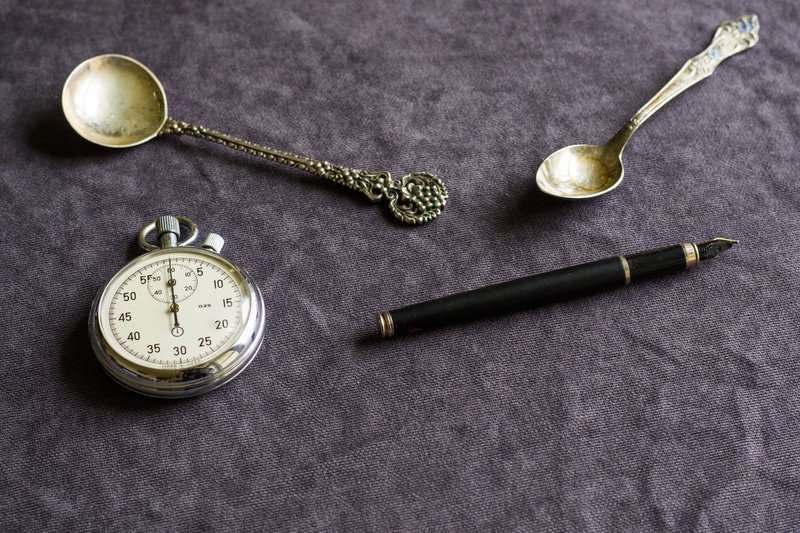
Vintage pocket watch, fountain pen and spoons on a table

⬅ See all events from 27 September

Spread the word on your favourite platform!

1803: The Man They Could Not Hang: Joseph Samuel Survives Three Executions at Sydney

Joseph Samuel was condemned to hang in 1803 for a robbery tied to the murder of Constable Luker in Sydney. On the scaffold, the rope snapped clean in the middle the instant the cart was drawn away, dropping him unconscious to the ground.

Officials dragged his limp body back onto the cart and fitted a second rope, only for it to unravel entirely, lowering him so slowly that his legs trailed on the ground while he half hung there. The assembled crowd was horrified by the spectacle as a third rope was rigged and this one snapped again, close against his neck, as the body was lowered.

With the crowd unnerved and three ropes failed in a row, Governor King, took the repeated failures as a sign of divine intervention and granted Samuel a reprieve. His sentence was commuted to life imprisonment, and he was nursed back to health and eventually to sanity.

After his reprieve, Samuel remained a convict. In April 1806, he made an escape attempt from Newcastle with seven other convicts in a small boat. All were presumed drowned in a storm, less than three years after he had survived three attempts to hang him.

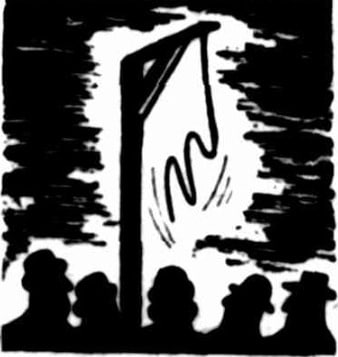
Joseph Samuels hanging attempt rope snaps three times in 1803 Sydney

⬅ See all events from 26 September

Spread the word on your favourite platform!

1863: One Shot from the Bush: the Outlaw Whose Rescue Attempt Killed His Brother

Larry Cummins was 20 when a Goulburn jury convicted him of armed robbery and he was sentenced to fifteen years of hard labour, the first in irons. His accomplice in the hold-up, both men with blackened faces, had been his 18-year-old brother. And the charge everyone was talking about had already been dropped: the murder of that same brother.

Weeks earlier, police had found the younger Cummins hiding in the loft of his mother's hut. He fired twice at the constables before surrendering, and they saddled one of the family's own horses to take him to the lockup. Eight miles along the track a single shot rang out from the bush. It struck the prisoner behind the ear; he "gave one groan" and died. The constables never saw the gunman, only heard a horse galloping away. The shot was assumed to have been meant for the constable, and the man behind it to be Larry, trying to set his brother free. There was not enough evidence to try him for it.

Three years later Cummins escaped from Berrima Gaol by crawling through 120 yards of sewer, only to be recaptured within months. Released in 1876, he lived out his days in Victoria under another name, as a drover and whipmaker, and died in 1909.

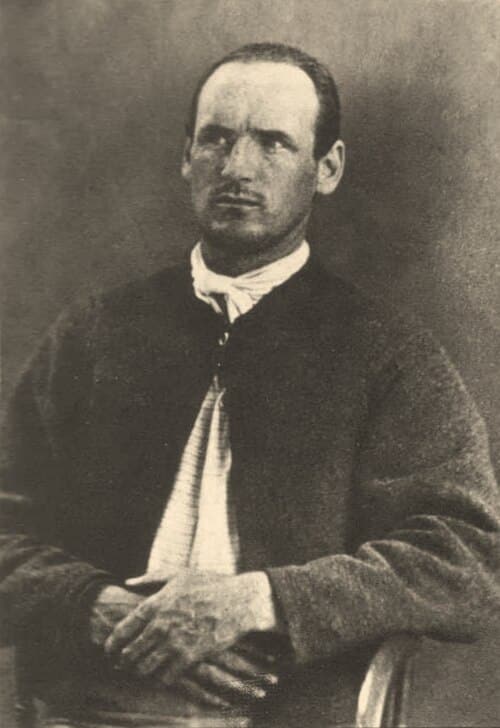
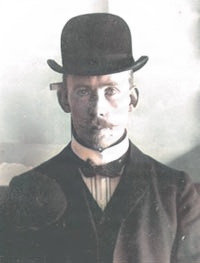
Sepia portrait of bushranger Larry Cummins 1843 to 1909

⬅ See all events from 24 September

Spread the word on your favourite platform!
On This Day in True Crime History

Subscribe to Dark Stories

True crime stories, dark history and tour news, straight to your inbox.