1828: The Last Victim of Burke and Hare: a Fatal Night of Drinking in Edinburgh

Margery Campbell, an Irish woman also known as Margaret Docherty, was lured into William Burke's lodging house in Edinburgh on 31 October 1828 after Burke struck up a conversation with her on the street, claiming a shared homeland. A night of drinking followed, and before it ended Burke and his accomplice William Hare had suffocated her, the sixteenth victim in a killing spree that had run through the city for months.

Her body was found hidden under straw by fellow lodgers Ann and James Gray, who went straight to the police. The discovery ended the partnership for good: Hare turned Crown witness to save himself, and Burke went to the gallows for a murder that finally could not be concealed.
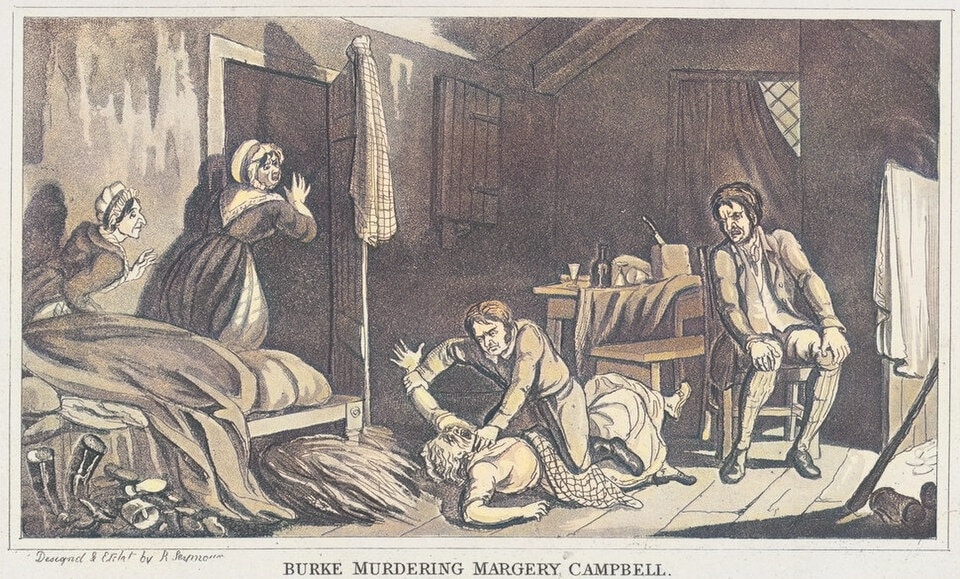

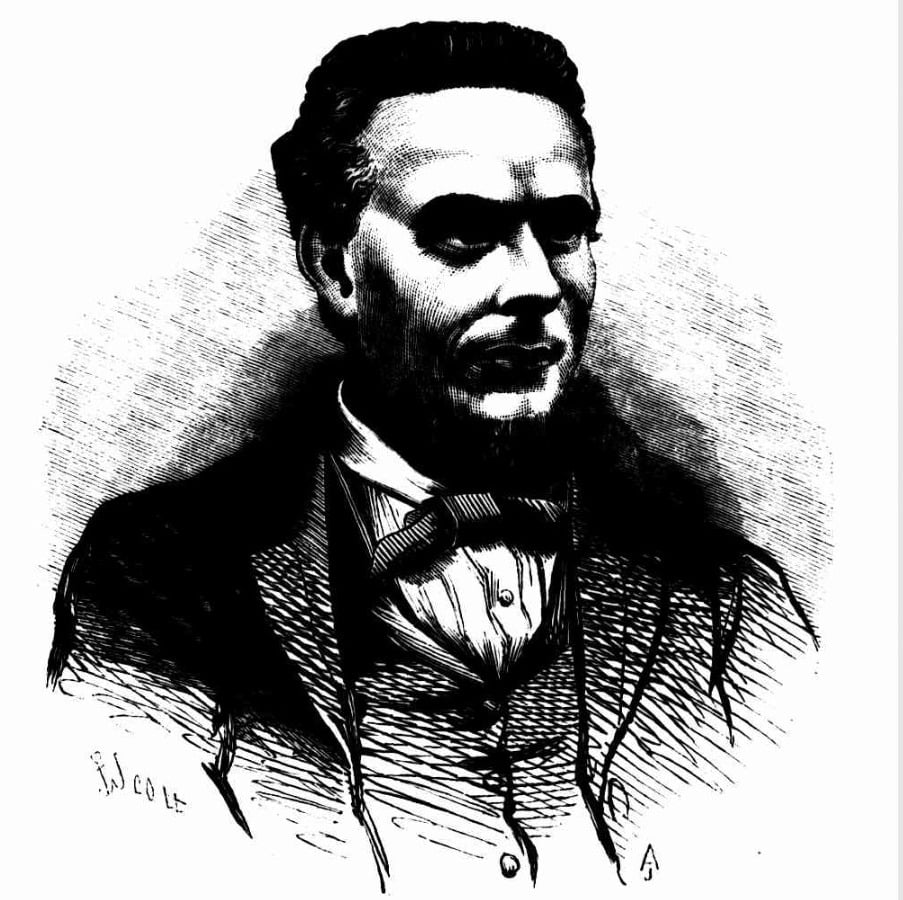
Burke murdering Margery Campbell historical crime illustration

⬅ See all events from 31 October

Spread the word on your favourite platform!

1851: A Fabricated Choking Bullock Led to the Murder of a Sleeping Man: Hanged at Launceston

Francis Duke, a servant on George Hill's farm near Deloraine in northern Tasmania, woke his employer in the middle of the night with an urgent story: the bullock being fattened was choking and needed help. When they reached the shed the animal was calm and Duke complained only of the cold, but as Hill turned back toward the house Duke knocked him down with a piece of firewood and began stabbing him as the two men grappled on the ground. It was Hill's wife who turned the fight, beating Duke with a brick until neighbours arrived to help subdue him.

Searching the property afterwards, they found Duke's fellow servant, a ticket-of-leave man named William Smith, already dead in his bed, a wound driven more than an inch into his skull while he slept. Duke was convicted of murder and sentenced to death without hope of mercy. He was hanged at Launceston on 31 October 1851.

Duke, a Spaniard who reportedly spoke unintelligibly in court, insisted to the end that the evidence given by Hill and his wife was false from beginning to end.

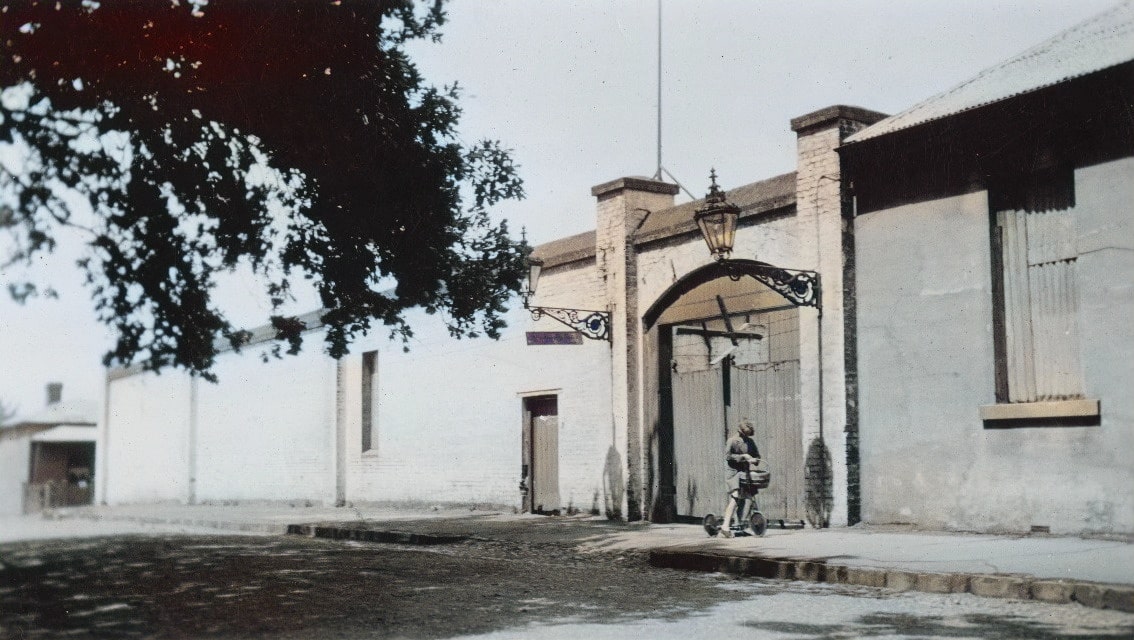
Old Launceston Gaol, viewed from Wellington Square. State Library and Archives of Tasmania, LPIC147/4/62.

⬅ See all events from 31 October

Spread the word on your favourite platform!

1866: "Unprecedented in Our Annals of Crime": A Sydney Butcher Committed for Trial Over a Dismembered Body

A boy's dog scratching at a rubbish heap near a flour mill uncovered a charred human head, its features burned beyond recognition. Days later a woman's torso turned up nearby, but no one had been reported missing, and the case stalled until police found a torn scrap of calico left in a landlady's cellar by a young butcher named William Henry Scott. It matched, thread for thread, a fragment of chemise recovered with the remains.

After nine days of police court hearings, Scott was committed for trial on 31 October 1866, accused of a murder most foul: that of a Sydney woman with whom he had been living as husband and wife. The magistrate praised the remarkable police investigation, which had traced an entire body back to a single scrap of fabric, describing the case as "unprecedented in our annals of crime".

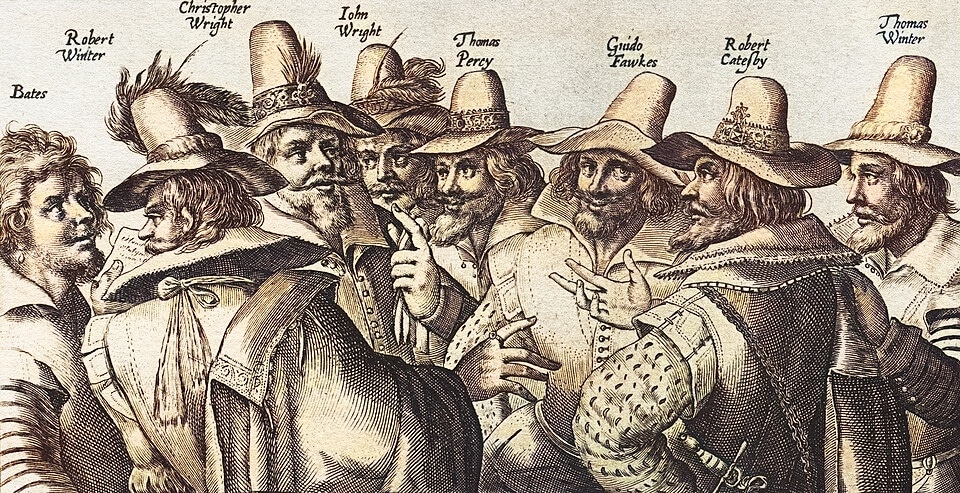
William Henry Scott under sentence of death 1867 for murder most foul

⬅ See all events from 31 October

Spread the word on your favourite platform!

1974: The Man Who Killed Halloween: A Father Poisoned His Own Son for $100,000 in Insurance

Deep in debt and facing the loss of his home and car, Ronald Clark O'Bryan took his eight-year-old son Timothy trick-or-treating through a Pasadena, Texas neighbourhood on this day in 1974 and slipped him a Pixy Stix laced with potassium cyanide. To make the poisoning look like the work of a stranger, he handed identically tainted candy to four other children, including his own daughter; none of them ate it. Timothy did, and died within the hour.

Investigators soon discovered O'Bryan had taken out roughly $100,000 in new life insurance on his two children in the months before the murder, and had tried to buy cyanide from a chemical supplier weeks earlier. A jury took under an hour to convict him of capital murder in 1975, and he was sentenced to death.

After years of delayed execution dates, O'Bryan was put to death by lethal injection in Huntsville on 31 March 1984, while a crowd outside shouted "Trick or treat!"

O'Bryan never confessed to the killing. In his final statement he called his own execution "wrong", while insisting it did not mean the justice system that convicted him was at fault.

Poison Candy on Halloween

⬅ See all events from 31 October

Spread the word on your favourite platform!
On This Day in True Crime History

Subscribe to Dark Stories

True crime stories, dark history and tour news, straight to your inbox.