1864: Alexander Ritchie Hanged at Toowoomba Gaol for the Murder of Mr Owen at Yandilla

On the evening of 29 April 1864, Mr Owen was shot and killed while travelling by buggy between Leyburn and Yandilla in Queensland, accompanied by the Reverend Mr Thackery. Alexander Ritchie, a convict, was tried, convicted by jury, and sentenced to death. The execution, the first to take place at Toowoomba Gaol, was carried out on 1 August 1864. A scaffold enclosed with glazed calico had been erected in the western yard of the new gaol, with the High Sheriff, E. H. Halloran, overseeing preparations.

Ritchie maintained his innocence to the end, supported in his final days by the Reverend Mr Hart and Dr Nelson. He ascended the scaffold with calm and resolve, addressing the assembled witnesses with striking words: “Gentlemen, I am innocent of this charge in the sight of God, but not of men. God has put this punishment upon me for other sins of which I have been guilty, but of this I am innocent.”


Alexander Ritchie Hanged at Toowoomba Gaol for the Murder of Mr Owen at Yandilla

⬅ See all events from 1 August

Spread the word on your favourite platform!

1966: Charles Whitman Opens Fire from the Texas Tower, Killing 17 in Austin

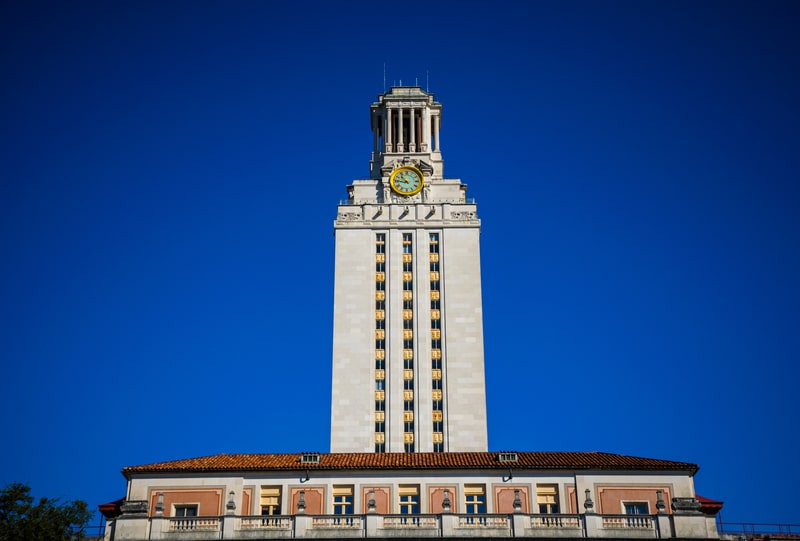
On August 1, 1966, Charles Joseph Whitman, a former Marine and engineering student at the University of Texas at Austin, killed his mother and wife the night before, then armed himself with rifles and climbed to the 28th-floor observation deck of the campus clock tower. For 96 minutes he fired at random pedestrians below, killing eleven and wounding 31, before Austin police shot him dead. Three more had been killed inside the building on his way up.

Whitman had sought psychiatric help in the months before the attack, reporting violent ideations, severe headaches, and episodes of uncontrollable rage. A posthumous autopsy found a glioblastoma multiforme brain tumor pressing on his amygdala, sparking lasting debate about neurological contributions to his behaviour. The attack, one of the first mass shootings to receive widespread national media coverage, is widely credited with driving the creation of SWAT teams across the United States.

UT tower clock tower on university campus under blue sky

⬅ See all events from 1 August

Spread the word on your favourite platform!

1867: William Terry Hanged at Castlemaine for the Murder of Peter Reddick

William Henry Terry, known under a string of aliases including Hopkins, Williams, and Mitchell, was convicted at the Castlemaine Circuit Court before Chief Justice Sir William Stawell of the wilful murder of his mate Peter Reddick at the Coliban on 14 July 1862. The case rested on bones and other remains found at the scene, surveyed and mapped for the court. Terry had listened to the prosecution with apparent indifference throughout the trial.

On 31 July 1867, Terry was hanged at Castlemaine Gaol before around 100 witnesses. The execution was badly botched: too thick a rope and an improperly adjusted noose left him convulsing for eleven minutes, with the hangman pressing down on his shoulders to hasten death. Standing on the scaffold, Terry forgave those he blamed for his conviction, naming two detectives, Hockey and his daughter, and a man called Dring, accusing them of perjury.

Terry made no confession of the murder itself, though he had told the attending Wesleyan minister that he deserved to die for his many crimes.

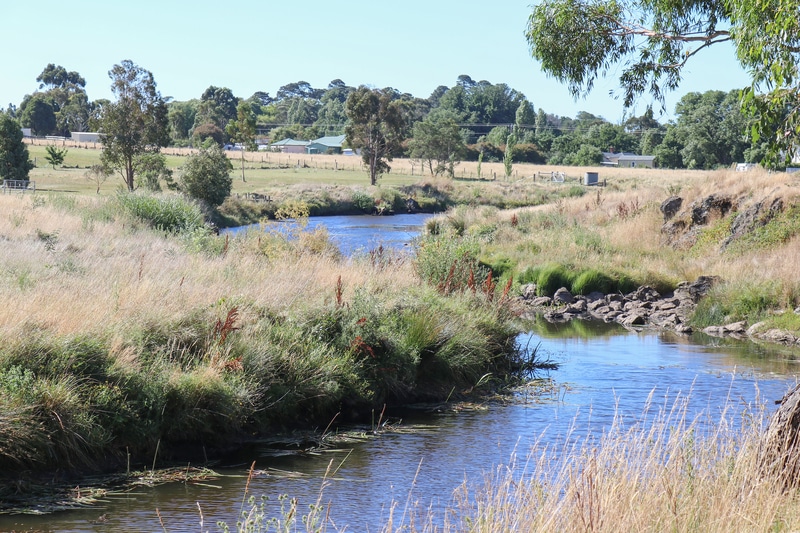
Coliban River
Coliban River

⬅ See all events from 31 July

Spread the word on your favourite platform!

1910: Dr Crippen Captured at Sea, the First Fugitive Caught by Wireless Telegraph

American homeopath Hawley Harvey Crippen became one of history’s most notorious wife-murderers when his second wife, Cora, vanished after a dinner party at their home in Holloway, London, on the night of 31 January 1910. Crippen claimed she had returned to the United States and later died there, but Scotland Yard grew suspicious when his mistress, Ethel Le Neve, was seen openly wearing Cora’s jewellery. When police dug up the cellar at 39 Hilldrop Crescent, they found human remains.

Crippen and Le Neve fled aboard the SS Montrose bound for Canada. The ship’s captain, recognising the fugitives, used the newly available wireless telegraph to alert Scotland Yard. Chief Inspector Walter Dew boarded a faster ship, intercepted the Montrose, and arrested Crippen mid-Atlantic on 31 July 1910, making him the first criminal in history captured with the aid of wireless telegraphy. Crippen was returned to London, tried at the Old Bailey, convicted of murder, and hanged at Pentonville Prison on 23 November 1910.

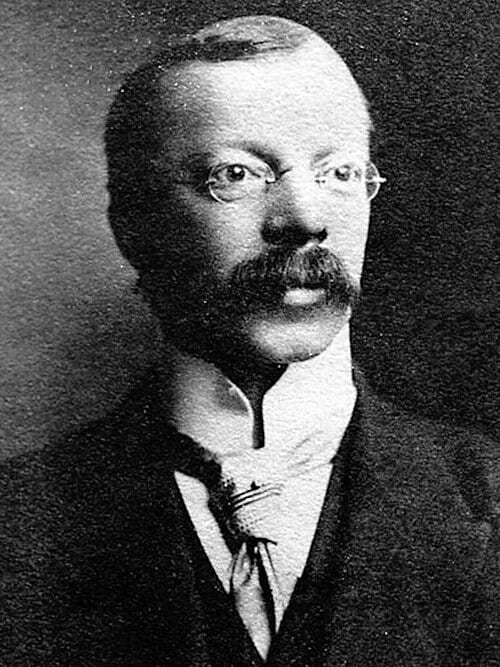
Portrait of Dr Crippen early 1900s suspect in murder case

⬅ See all events from 31 July

Spread the word on your favourite platform!
On This Day in True Crime History
1794·The First Free Settler Murdered in the Colony: Hanged at Sydney for a Parramatta Stabbing
1826·The Gun That Misfired Twice: Three Bushrangers Hanged Outside Sydney
1873·A Tearful Confession in Custody Cracked the Case: Two Men Hanged at Perth Gaol for Eating their Victim
1889·He Called It an Accident. The Jury Called It Murder: Robert Landells Hanged at Melbourne Gaol
1907·A Doctor Fooled Twice: Martha Rendell and the Second Child to Die of Diphtheria
2002·Shot Dead in His Own Bed: A Melbourne Gangland Killing Blamed on a Friend
More Crime On This Day →

Subscribe to Dark Stories

True crime stories, dark history and tour news, straight to your inbox.