1894: Fred Jordan Hanged at Melbourne Gaol for the Murder of Minnie Crabtree

Frederick Jordan, an American convicted of killing his girlfriend Minnie Crabtree at Port Melbourne, was executed at Melbourne Gaol on the morning of 20 August 1894. He had maintained a quiet, composed demeanour throughout his time in the condemned cell, receiving last rites from Rev. Dean M’Kenna after Father Walshe fell ill and could not attend.

Jordan walked to the gallows with a firm step, stood erect before the assembled witnesses. When asked if he had anything to say, Jordan replied: ‘I have nothing to say: it’s no use to say anything.’, and was executed without incident.
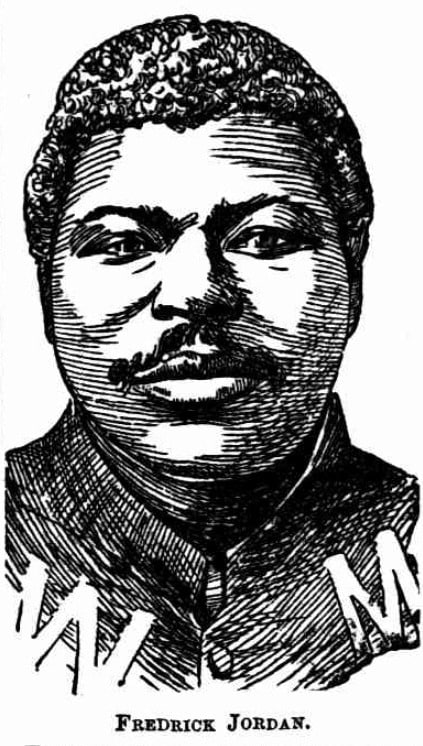

Fred Jordan
Fred Jordan

⬅ See all events from 20 August

Spread the word on your favourite platform!

1987: The Hoddle Street Massacre: Seven Dead in Melbourne Shooting Rampage

On the evening of 9 August 1987, 19-year-old Julian Knight opened fire on motorists and pedestrians along Hoddle Street in Clifton Hill, a suburb of Melbourne, killing seven people and seriously injuring 19 others. Knight had been discharged from the Royal Military College, Duntroon just 16 days earlier following a fight and stabbing at a bar. He returned home to find his girlfriend had left him and his mother had converted his bedroom. Armed with multiple weapons, he took to the street.

After a police chase lasting more than 30 minutes, Knight was caught in nearby Fitzroy North and arrested. He was later sentenced to seven concurrent life terms, with a non-parole period of 27 years, for what the presiding judge described as ‘one of the bloodiest massacres in Australian history’. As Knight neared parole eligibility in 2014, the Victorian Government amended the Corrections Act to prevent his release unless he was in imminent danger of dying or physically incapable of causing harm.

The Hoddle Street Massacre: Seven Dead in <a href='https://darkstories.com.au/melbournes-true-crime-tour/' target='_blank' rel='noopener noreferrer'>Melbourne</a> Shooting Rampage” style=”max-width:50%; height:auto; display:block; margin:16px auto;”/></p>
<p style=⬅ See all events from 9 August

Spread the word on your favourite platform!

1919: The Fitzroy Vendetta Erupts: Shots Fired into a Sly-Grog Shop, Squizzy Taylor Acquitted

On the night of 5 August 1919, shots were fired into a sly-grog shop at 31 Fleet Street, Fitzroy, wounding three people: Minnie Clarke, Dick Paget, and James Darcy. All three were treated at St Vincent’s Hospital and all three refused to speak to police. The attack was part of the bloody Fitzroy Vendetta, a running war between Richmond and Fitzroy underworld factions that had left a trail of shootings across Melbourne.

Police observed Leslie “Squizzy” Taylor and two other men leave the area by motor-car in the early hours and arrested him the following day in Bourke Street. At the Fitzroy Court, witnesses including a horse trainer, a miner, and a bookmaker’s clerk all placed Taylor inside a nearby house at the time of the shooting. The bench acquitted him. It was a result that would define his career: ten prior convictions, a reputation as a sneak thief and companion of thieves, and a courtroom that could never quite catch him.

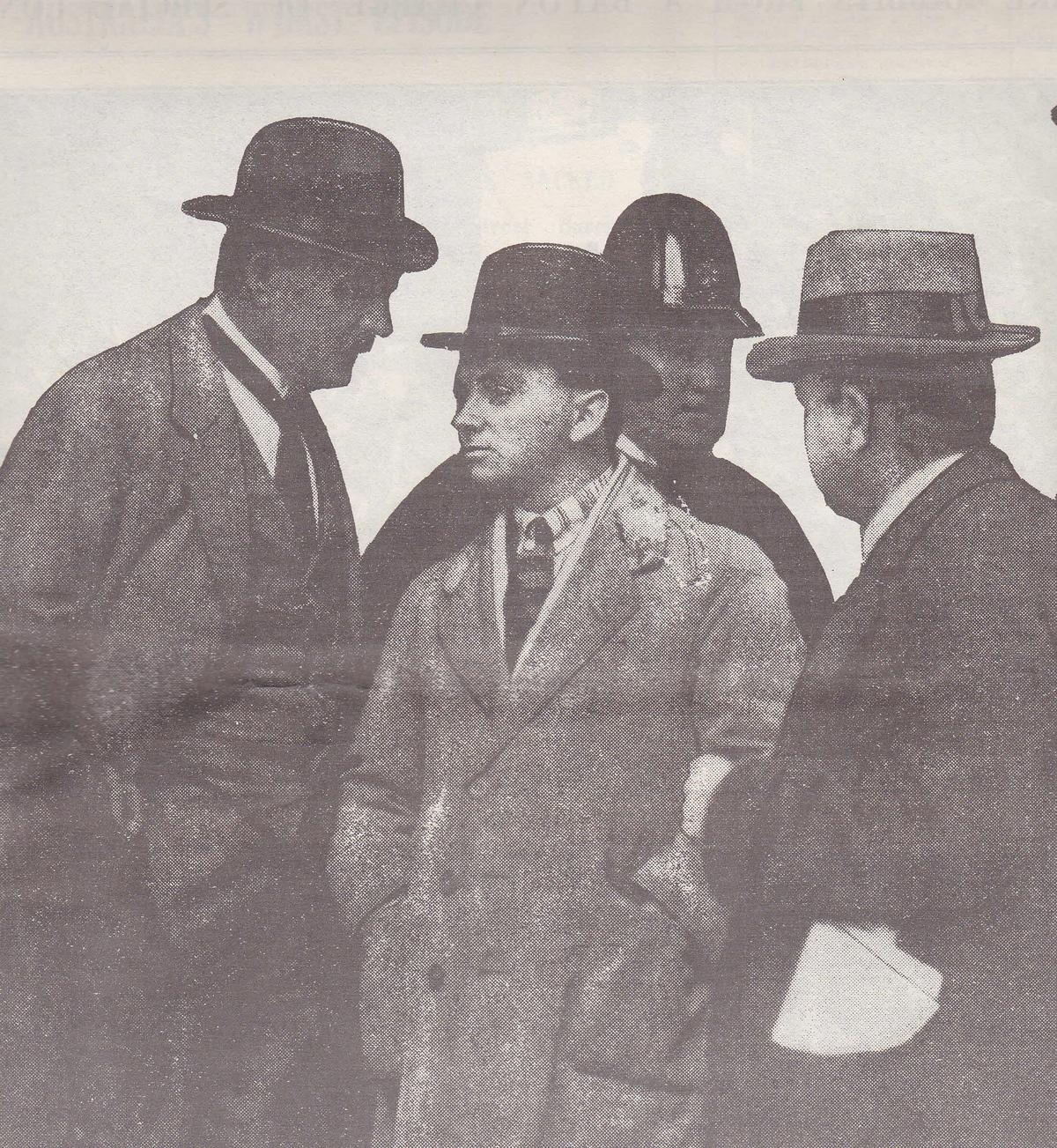
Squizzy Taylor surrendering to police, September 1922. Image: The Sun, Melbourne, 22 September 1922. Public domain in Australia.

⬅ See all events from 5 August

Spread the word on your favourite platform!

1861: Nathaniel Ruby Hanged at Melbourne Gaol for the Murder of a Fellow Miner at Tarnagulla

At Sandy Creek, near Tarnagulla, the body of Joseph Watson was discovered at the bottom of a deep mine shaft in August 1861. He had been beaten to death, his skull crushed by repeated blows. Two large bloodied stones were found nearby. Nathaniel Ruby, a former mate of the deceased, had already confessed to a woman named Mary Ann Annersley, telling her he would kill Watson after learning she had been with him. Hours later he returned and told her plainly: ‘I have killed Joe, he is for the grave and I’m for the gallows.’

Ruby was arrested on the strength of Annersley’s account and the physical evidence recovered from the shaft. He was tried, convicted, and hanged at Melbourne Gaol on 5 August 1861. Watson had recently found a gold nugget worth around 150 pounds; how much remained on him at the time of his death was never established.

Ruby’s own words to Annersley on the night of the killing served as the most damning evidence against him: ‘I have killed Joe, he is for the grave and I’m for the gallows.’

Golden nuggets in the museum. Gold in nuggets | ID 189813062 © Lyaschock | Dreamstime.com
ID 189813062 © Lyaschock | Dreamstime.com

⬅ See all events from 5 August

Spread the word on your favourite platform!
On This Day in True Crime History
1794·The First Free Settler Murdered in the Colony: Hanged at Sydney for a Parramatta Stabbing
1826·The Gun That Misfired Twice: Three Bushrangers Hanged Outside Sydney
1873·A Tearful Confession in Custody Cracked the Case: Two Men Hanged at Perth Gaol for Eating their Victim
1889·He Called It an Accident. The Jury Called It Murder: Robert Landells Hanged at Melbourne Gaol
1907·A Doctor Fooled Twice: Martha Rendell and the Second Child to Die of Diphtheria
2002·Shot Dead in His Own Bed: A Melbourne Gangland Killing Blamed on a Friend
More Crime On This Day →

Subscribe to Dark Stories

True crime stories, dark history and tour news, straight to your inbox.