1889: The Devoted Wife Who Poisoned Her Husband in Melbourne, Then Killed Three More

Henry Needle was a robust carpenter until 1889, when he began suffering violent, unexplained vomiting at the family home in Richmond, near Melbourne. His doctor once found untouched broth and jelly by his bed, and noted Henry had grown strangely wary of food prepared by his wife, Martha. He died on 4 October 1889; his death was recorded as hepatitis, no post-mortem was ordered, and no suspicion touched the devoted nurse at his side.

The truth emerged five years later, after police caught Martha handing a laced cup of tea to another man and Henry's body was exhumed and found packed with arsenic, along with the bodies of the couple's three young children, all of whom had died in her care under equally mysterious circumstances. Martha Needle was hanged at Melbourne Gaol in October 1894 for the poisoning of her fiance's brother, the last of at least five family members she is believed to have killed.
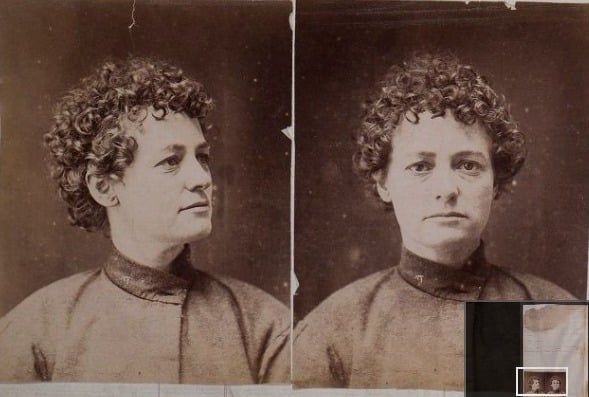

Martha Needle: Public Record Office Victoria, VPRS 516/P0000, Central Register of Female Prisoners, register nos. 5926–6415 (1891–1896).

⬅ See all events from 4 October

Spread the word on your favourite platform!

1853: A Hanged Bushranger's Corpse Put on Display in a Melbourne Shop Window

Within hours of his execution, the body of bushranger George Melville was handed to his widow, decorated with ribbons and laid out in the window of their oyster shop in Little Bourke Street. The Argus called it a disgusting and inhuman act, presuming it was staged simply to draw in customers.

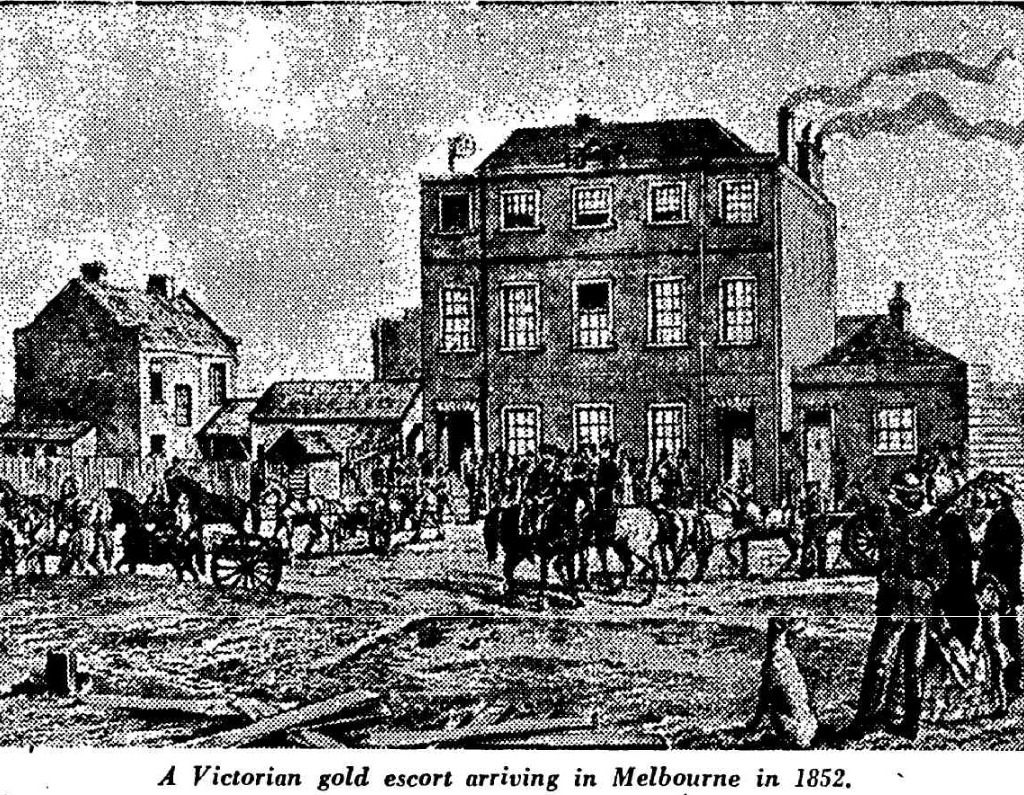
Melville had been hanged at Melbourne Gaol alongside William Atkins and George Wilson for the Private Escort gold robbery near Kalkallo, an ambush that left four mounted troopers shot, one of them fired on again as he lay wounded on the road. All three had been identified after an accomplice turned informer to the police before taking his own life with a razor.

None of the condemned made a clear confession. Wilson used his final moments on the scaffold to forgive the witnesses who had convicted him, while Melville, claiming the crowd could not hear him, simply said he could not make himself heard and wished them all a very good morning.

Victorian gold escort arriving in Melbourne 1852.

⬅ See all events from 3 October

Spread the word on your favourite platform!

1851: He Prayed for His Own Son to Die: A Fatalist Hanged at Melbourne Gaol for Murder

Patrick Kennedy was a shepherd at an out-station near Penshurst in Victoria, sharing a hut with his wife and two other men. After a night of drinking, he turned on her the next afternoon without any clear provocation, kicking her so violently that the pattern of his boot nails was later found bruised into her body.

He was convicted at the Supreme Court and hanged at Melbourne Gaol on 1 October 1851. The drop failed to kill him instantly, and he struggled for nearly three minutes, prompting the hangman to boast to bystanders that he had predicted exactly how long it would take.

In his final days Kennedy revealed a chilling belief in fatalism, insisting he was merely an instrument of forces beyond his control. He recalled that his small son used to prattle a rhyme, "mammy dead and dady gone," which he took as a dark omen; when the boy died in custody during his imprisonment, Kennedy said plainly that he was glad.

He showed no remorse for the killing, telling gaolers only, "Drink did it all, but if it had not been done by drink, something else would have done it, as it was decreed to be done."

Skull and vintage hourglass on wooden background in beam of light

⬅ See all events from 1 October

Spread the word on your favourite platform!

1861: He Wept After Being Punched, Then Fetched a Hammer: a Melbourne Racing-Yard Killing

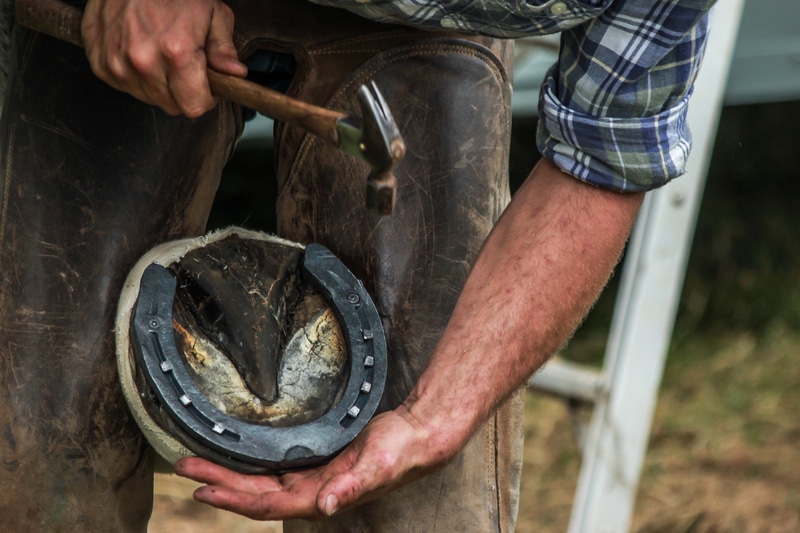
Martin Rice was a former steeplechase jockey with a reputation for violence when he picked a fight with Anthony Green, a well-known horse trainer, over the shoeing of a horse at Kirk's Bazaar off Bourke Street in Melbourne. Green struck him once, told him to leave, and Rice wept and walked away, muttering that he would have his revenge.

Half an hour later, as Green stooped to check a horse's foot with his back turned, Rice crept up behind him and drove a blacksmith's hammer into his skull. Green lingered barely a day before dying, telling a friend he had heard his own bones crack. A coroner's jury found the gap between the insult and the blow proved deliberate malice, not sudden provocation, and Rice was convicted of wilful murder at the Supreme Court and hanged at Melbourne Gaol.

On the scaffold Rice asked to speak, insisting he had borne no malice toward Green and had never meant to kill him.

From shoeing a horse to murder

⬅ See all events from 30 September

Spread the word on your favourite platform!
On This Day in True Crime History

Subscribe to Dark Stories

True crime stories, dark history and tour news, straight to your inbox.