1965: The Situation Got Out of Hand: A Moors Murder Committed Before a Horrified Witness

In October 1965, Ian Brady picked up seventeen-year-old Edward Evans at a Manchester railway station, telling him he had been invited home for a drink. At the house on Wardle Brook Avenue, Brady had Myra Hindley fetch her brother-in-law David Smith under the pretext of sharing miniature wine bottles. Smith arrived in time to witness Brady strike Evans with a hatchet and strangle him with electrical cord, screams tearing through the house as Hindley called out for help.

Smith helped move the body to a spare room before fleeing home, where he was sick and told his wife everything. He contacted police the next morning armed with a screwdriver and bread knife in case Brady came after him. Officers found Evans' body behind a locked door, and as he dressed for arrest, Brady offered a chillingly understated explanation: he and Evans "had a row and the situation got out of hand." The killing exposed what became known as the Moors Murders.

Shocked male witness after fatal late night accident

⬅ See all events from 6 October

Spread the word on your favourite platform!

1977: The Banknote Clue That Could Have Caught the Yorkshire Ripper Years Early

Peter Sutcliffe hammered 20 year old Jean Jordan to death near a cemetery in Manchester, then realised the brand new £5 note he had just paid her was traceable straight back to his wage packet. Nine days later he returned in the dark to retrieve it, could not find it, and instead mutilated her body and attempted to cut off her head.

The note had been lying just outside the police search area the whole time, in her handbag under a fence. Detectives traced it to a Bradford pay run and interviewed thousands of workers, including Sutcliffe himself, twice. His alibi held, the inquiry stalled, and the man holding the incriminating fiver walked free for years before he was finally caught as the Yorkshire Ripper.

Piggy bank and new banknotes. Woman holding a piggy bank and new UK five pound notes | ID 82241351 © Peter Titmuss | Dreamstime.com
ID 82241351 © Peter Titmuss | Dreamstime.com

⬅ See all events from 1 October

Spread the word on your favourite platform!

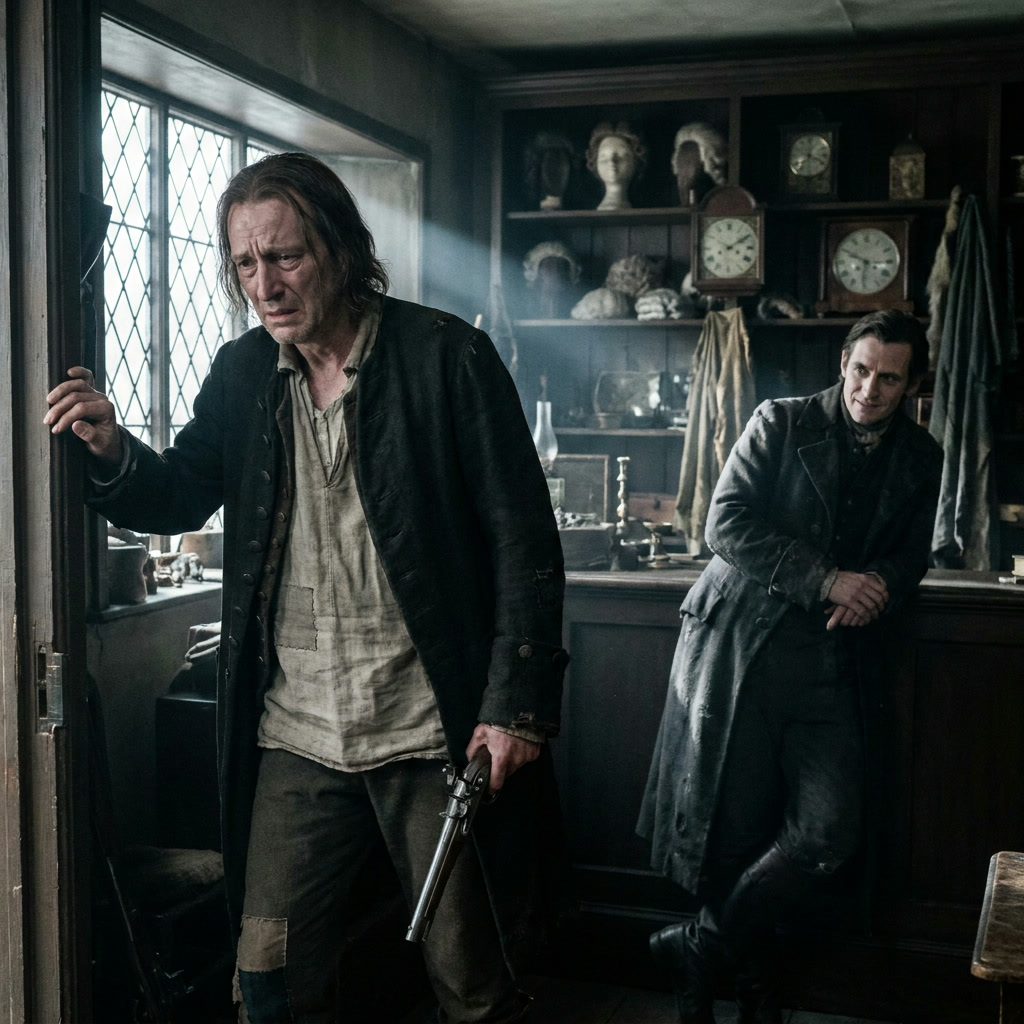
James Wright: The Weeping Highwayman of Old England

James Wright is a man who robs travellers on the roads of old England with tears running down his face. Born in Enfield to honest, hardworking parents, he is apprenticed to a peruke-maker and sets up shop in the Old Bailey: a respectable start that unravels when his appetite for women and leisure drains every penny he earns.

Reduced to downright want, Wright convinces himself that taking from the rich is a lesser sin; he never robs a poor man. It is a distinction that lets him sleep at night: but the roads of old England are not forgiving places, and the line between a gentleman thief and a condemned man is thinner than he knows.

Listen now and follow James Wright down the darkening road where conscience and crime ride side by side.

James Wright: The Weeping Highwayman of Old England

Follow the podcast so you never miss an episode:

Apple PodcastsSpotifyAmazon MusicMore apps

FROM THE 1735 TEXT

hardly ever robbing a passenger without tears in his eyes

CASE FILE No. 14
NAMEJames Wright
AGEabout 34
WHEN1721
WHERESurrey, London, Marlborough Street
CHARGEHighway robbery
FATEHanged, 22 December 1721
SOURCELives of the Most Remarkable Criminals, 1735
HANGED

Dark Lexicon: Old words. Dark meaning.

The past speaks its own dialect; here is what to listen for in this episode.

Peruke-maker: a craftsman who made perukes, the elaborate powdered wigs that were standard wear for respectable men in old England. It was a skilled and profitable trade: enough to set a young man up in life, if he could keep his spending in check.

Equipage: today this word sounds quaint, but in old England it meant the visible trappings of wealth: a fine coach, liveried servants, matched horses. Wright used a victim's equipage the way a modern thief might size up a luxury car; the grander the display, the fatter the purse inside.

Impeached: in modern English, impeachment is a formal charge against a head of state. In old England it meant something more personal and more dangerous: to be accused or informed upon by a former associate. Being impeached by a companion was often a death sentence, because the informer's testimony came with firsthand knowledge no alibi could shake.

Assizes: the travelling courts that moved through the counties of old England, bringing royal justice to places far from London. An acquittal at the assizes in Kingston gave Wright a second chance; it also gave him a false sense of safety.

Newgate: London's most notorious gaol, a place of filth, disease and dread. Prisoners awaiting execution spent their final days here, sometimes attending chapel in its walls: a grim rehearsal for the hereafter.

Malefactor: a wrongdoer or criminal. In old England the word carried a heavier moral weight than it does today; it marked a person not just as a lawbreaker but as someone who had chosen evil.

Ignominious: shameful, deeply dishonourable. Wright used the word himself when refusing to name his associates; he did not want to send them to an ignominious death. The public hanging was designed to be exactly that: a spectacle of shame as much as punishment.

About This Series

Lives of the Most Remarkable Criminals (1735) is one of the earliest works of true crime in the English language. Each week this podcast retells one of its stories for today's listener, keeping the old book's most striking lines.

Spread the word on your favourite platform!

1964: The Last Two Men Hanged in Britain, Executed Simultaneously 50 Kilometres Apart

At 8:00 a.m. on 13 August 1964, two gallows traps opened in unison across England. Peter Anthony Allen dropped at Walton Prison in Liverpool; Gwynne Owen Evans dropped at Strangeways Prison in Manchester. Both had been convicted of the capital murder of John Alan West, a 53-year-old laundry van driver from Workington, Cumbria, stabbed and beaten to death during a robbery at his home in the early hours of 7 April 1964.

Police traced the men within 48 hours through a medallion left at the scene, inscribed with Evans' name. Tried together at Manchester Crown Court in June 1964, the jury found both equally guilty of capital murder committed in the course of theft. The judge, executioners Harry Allen and Robert Leslie Stewart, and the clock itself were all synchronised. When the traps fell, Britain's era of capital punishment fell with them. No one has been executed in the United Kingdom since.

Silhouetted hangmans noose rope on orange backlit background

⬅ See all events from 13 August

Spread the word on your favourite platform!

On This Day in True Crime History
1858·The Rope Broke, So They Hanged Him Again: Samuel Gibbs Executed in Melbourne for the Murder of His Wife
1858·He Named Four Innocent Men as the Killers: Hanged in Melbourne for a Ballarat Murder
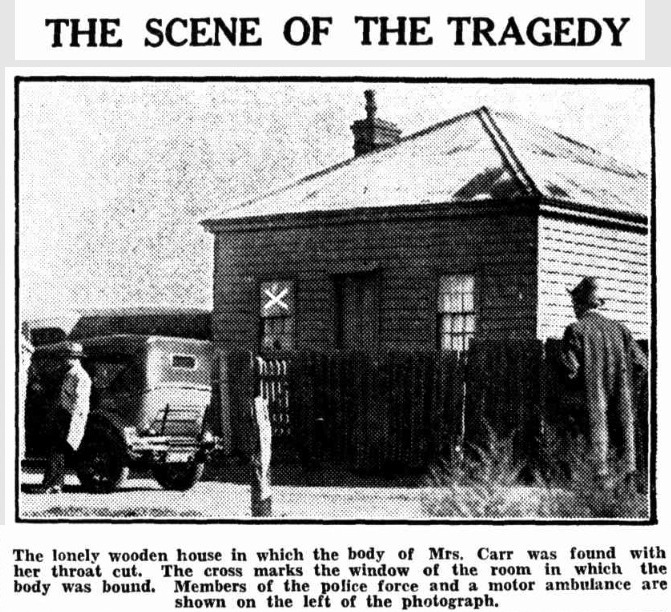
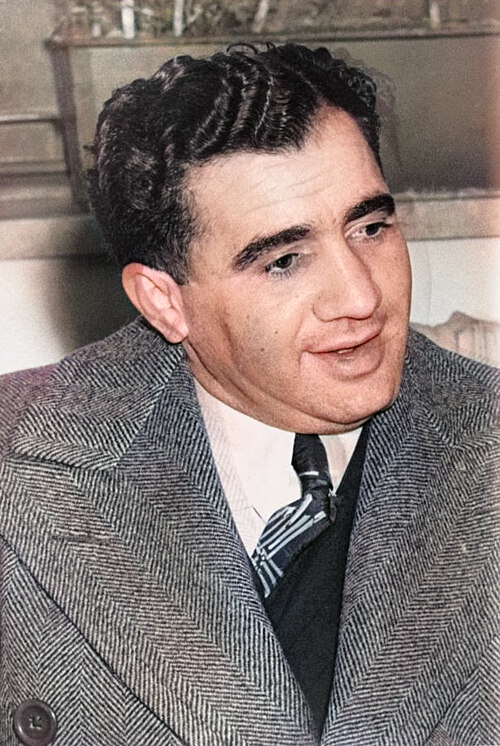
1929·She Asked for a Kiss, Then Bled to Death: Frederick Carr Hanged in Adelaide for Murdering His Wife
1963·The Royal Commission That Cleared Brisbane Police, Then Unravelled as a Cover-up
More Crime On This Day →

Subscribe to Dark Stories

True crime stories, dark history and tour news, straight to your inbox.